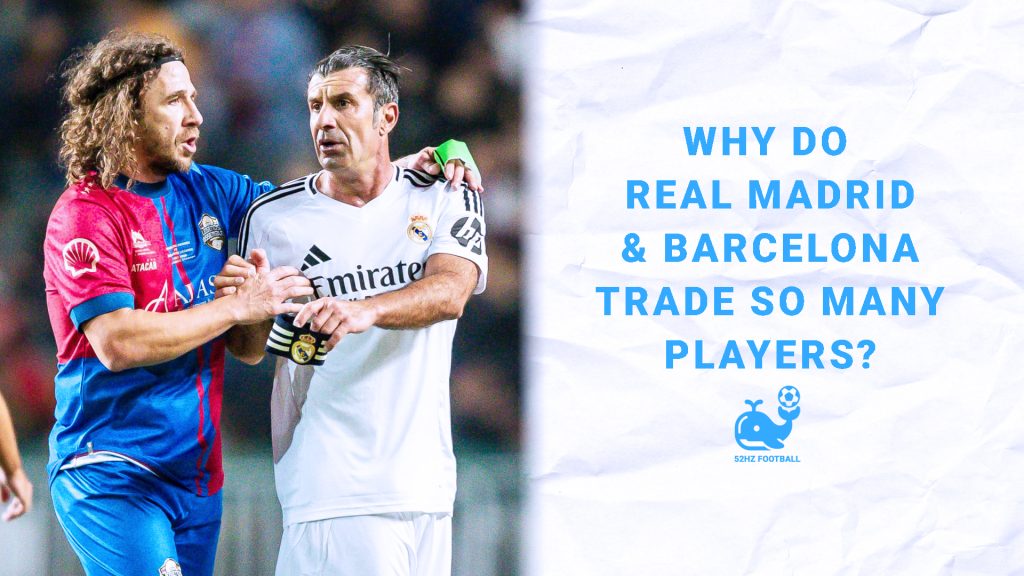
If El Clásico is so toxic, why do Real Madrid and Barcelona trade so many players? Discover the truth behind it and all 19 direct transfers.
Real Madrid vs Barcelona, a.k.a. El Clásico, is a fixture defined by political tension, regional pride, and a century of bitter grievances. It is a war waged on the pitch, in the media, and in the stands. To the casual observer, the dividing line between the Santiago Bernabéu and Camp Nou is an uncrossable trench.
Yet, when you dig into the history books, a startling paradox emerges. Despite the immense toxicity of the rivalry, nearly two dozen players have transferred directly between the two teams. Furthermore, if you count players who played for both clubs via third-party teams (like Ronaldo Nazário or Samuel Eto’o), the list grows even larger.
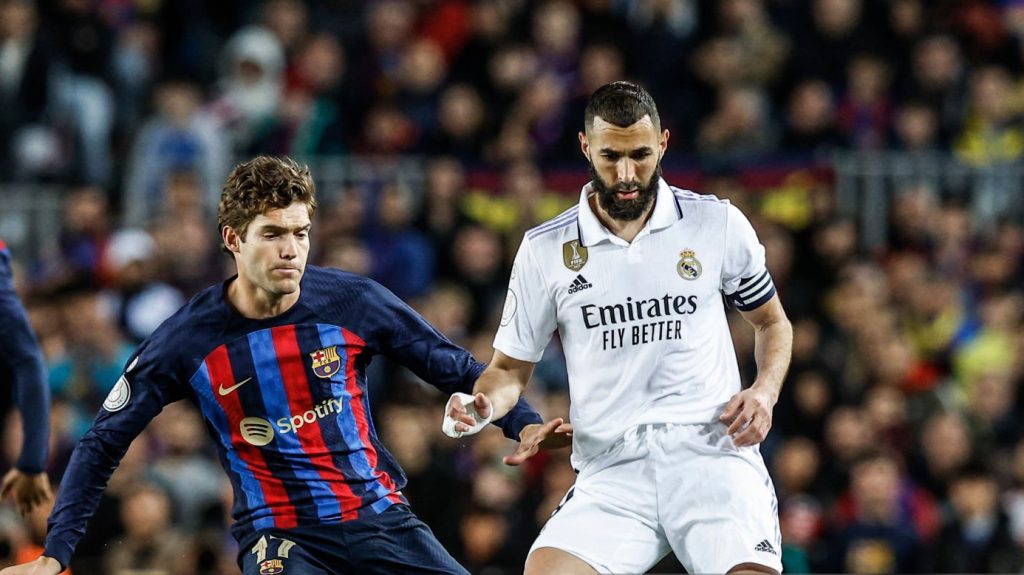
How is this possible? Why do two clubs that fundamentally despise each other historically and currently continue to share their elite talents? The answer lies in a complex web of Spanish labor laws, the evolution of footballing eras, and the gravitational pull of massive sporting egos.
1. The Pre-War Era of Innocence
To understand the transfer history, we must first separate the modern era from the early 1900s. Today, El Clásico is a multi-billion-dollar global spectacle, but in the first few decades of the 20th century, football in Spain was largely an amateur pursuit.
Before the 1930s, players were not multi-millionaire athletes bound by iron-clad contracts. They were ordinary working men, students, or soldiers. The vast majority of the earliest direct transfers between Real Madrid and Barcelona (such as Alfonso Albéniz in 1902 or José Quirante in 1906) occurred simply because a player had to relocate to the capital for a new daytime job, to attend university, or to fulfill mandatory military service.
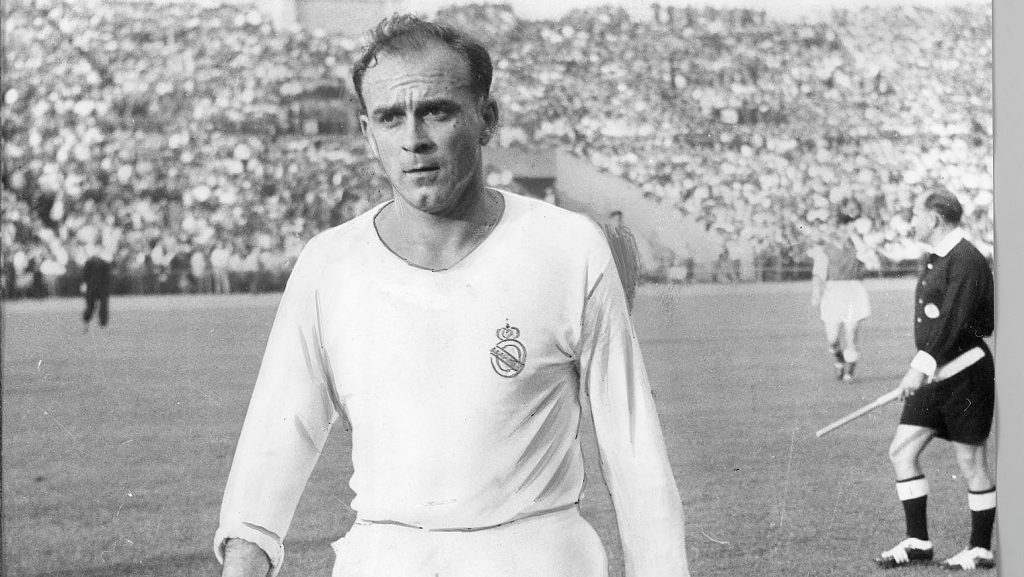
During this era, the rivalry was competitive but lacked the deep political undertones that exist today. It wasn’t until the aftermath of the Spanish Civil War (1936–1939) and the highly controversial Alfredo Di Stéfano transfer saga in 1953 that the relationship between the two boards completely shattered.
Once football became a proxy for political identity under General Franco’s regime, crossing the divide transformed from a logistical convenience into an act of sporting treason.
2. The Mandatory Buyout Clause
If you want to understand modern direct transfers between Real Madrid and Barcelona, you must understand Spanish labor law – specifically, Real Decreto 1006/1985.
In most football leagues around the world, a club can simply refuse to sell a player to a rival. If the club says no, the player stays. However, under Spanish law, every single professional athlete must have a predetermined “buyout clause” (cláusula de rescisión) written into their employment contract. Legally, the player has the absolute right to buy out their own contract and become a free agent if they deposit that exact sum of money at the La Liga headquarters.
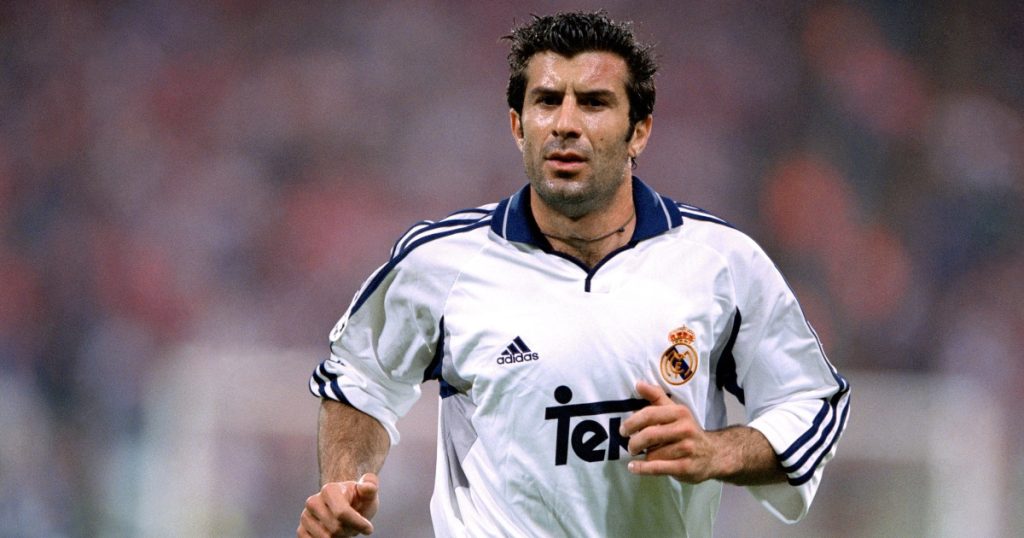
This legal framework strips the selling club of all its power. If Real Madrid wants a Barcelona player, and that player agrees to the move, Madrid simply gives the player the money to trigger his own release clause. Barcelona cannot reject the bid; they cannot negotiate; they can only watch their star walk away.
This specific loophole was ruthlessly weaponized by Real Madrid president Florentino Pérez in the year 2000. By triggering Luís Figo’s €60 million release clause, Pérez legally bypassed Barcelona’s board. Barcelona vehemently did not want to sell their captain to their worst enemy, but Spanish employment law dictated that they had absolutely no say in the matter.
3. Ego, Spite, and Contract Disputes
Footballers at the absolute highest level are driven by immense egos and a desire for recognition. Because Real Madrid and Barcelona occupy the absolute pinnacle of the footballing pyramid, they are the only two clubs in Spain that can offer the platform for global superstardom, Ballon d’Or contention, and massive financial rewards.
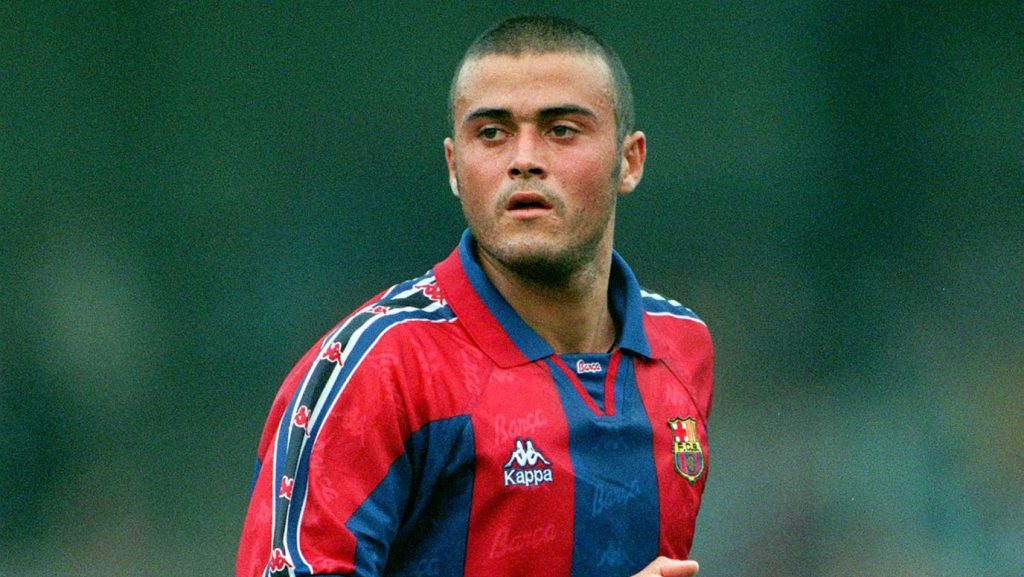
When a superstar feels undervalued, underpaid, or disrespected by the board of one club, the most devastating way to exact revenge is to join the other.
-
Luis Enrique felt marginalized by the Real Madrid hierarchy in the mid-90s. To prove a point, he ran down his contract and walked directly into the Camp Nou on a free transfer, instantly becoming a cult hero for spiting his former employers.
-
Bernd Schuster spent the 1980s warring with Barcelona’s president, Josep Lluís Núñez. Driven by spite and a desire to remain at the top of Spanish football, he crossed the divide to Madrid.
For these players, moving to the arch-rival is the power play during contract negotiations. It is a way to say, “If you do not appreciate my talent, your worst enemy will”.
4. The “Third-Party” Cleansing Process
While direct transfers cause violent uproar, the rivalry is surprisingly forgiving of players who join via a “middleman” club.
Take Samuel Eto’o, for example. He was technically a Real Madrid player in his youth, but he was shipped off to RCD Mallorca. Because he succeeded at a third-party club, Barcelona felt entirely comfortable buying him. The Catalan fans didn’t view it as signing a “Madridista”; they viewed it as rescuing a brilliant talent that Madrid had discarded.
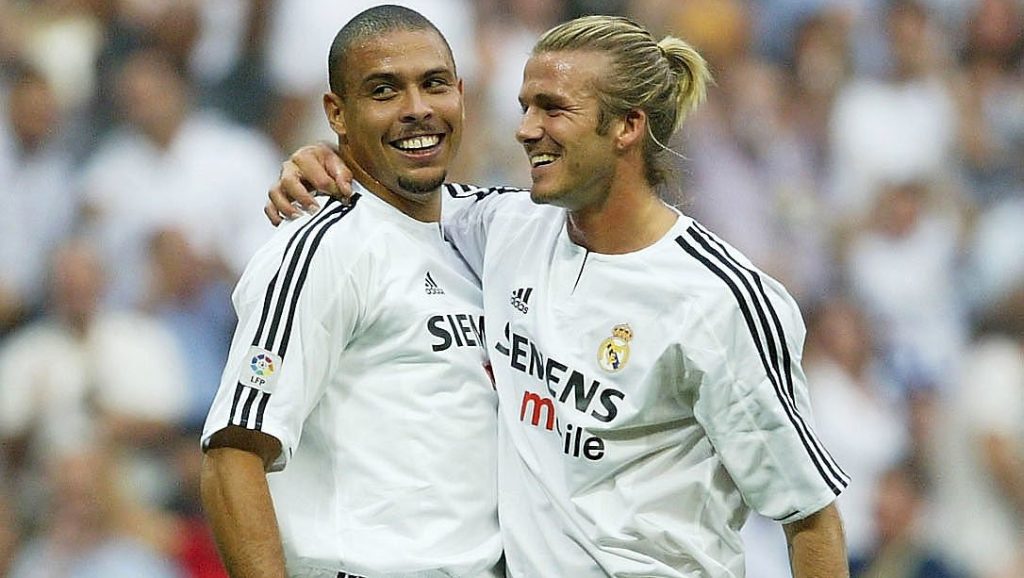
Similarly, Ronaldo Nazário played for Barcelona, left for Inter Milan for several years, and then returned to Spain to play for Real Madrid. Because the direct link was broken by his time in Italy, the betrayal was diluted.
In the eyes of the fans, the player is not committing direct treason; they are simply a hired mercenary returning to the league. This “third-party cleansing” is why so many legendary names appear on the rosters of both clubs without the lingering hatred that followed Figo.
5. Direct Transfers Between Real Madrid and Barcelona
Excluding youth academy players who never made a senior appearance, here is the complete historical ledger of the 19 players who have transferred directly from one first-team squad to the other.
| Player Name | Nationality | Transfer Path | Year |
| Javier Saviola | Argentina | Barcelona to Real Madrid | 2007 |
| Luís Figo | Portugal | Barcelona to Real Madrid | 2000 |
| Luis Enrique | Spain | Real Madrid to Barcelona | 1996 |
| Michael Laudrup | Denmark | Barcelona to Real Madrid | 1994 |
| Nando Muñoz | Spain | Barcelona to Real Madrid | 1992 |
| Luis Milla | Spain | Barcelona to Real Madrid | 1990 |
| Bernd Schuster | Germany | Barcelona to Real Madrid | 1988 |
| Fernand Goyvaerts | Belgium | Barcelona to Real Madrid | 1965 |
| Lucien Muller | France | Real Madrid to Barcelona | 1965 |
| Evaristo de Macedo | Brazil | Barcelona to Real Madrid | 1962 |
| Justo Tejada | Spain | Barcelona to Real Madrid | 1961 |
| Alfonso Navarro | Spain | Barcelona to Real Madrid | 1950 |
| José Canal | Spain | Real Madrid to Barcelona | 1946 |
| Josep Samitier | Spain | Barcelona to Real Madrid | 1932 |
| Walter Rositzky | Germany | Barcelona to Real Madrid | 1913 |
| Arsenio Comamala | Spain | Barcelona to Real Madrid | 1911 |
| Enrique Normand | France | Real Madrid to Barcelona | 1909 |
| José Quirante | Spain | Barcelona to Real Madrid | 1906 |
| Alfonso Albéniz | Spain | Barcelona to Real Madrid | 1902 |
5 Most Shocking Direct Transfers Between Real Madrid and Barcelona
1. Luís Figo (Barcelona to Real Madrid, 2000)
It remains the most infamous transfer in the history of the sport.
Luís Figo was Barcelona’s captain and talisman. Meanwhile, in the capital, Florentino Pérez was an underdog running for the presidency of Real Madrid. Pérez pulled off a masterstroke by secretly getting Figo’s agent to sign a pre-contract agreement, promising an astronomical financial penalty if Figo backed out.
When Pérez shockingly won the election, Figo was trapped. Real Madrid deposited his €60 million release clause at La Liga’s offices, breaking the world transfer record. The backlash in Catalonia was apocalyptic. Figo was branded “Judas”, “Scum”, and “Traitor”.
The hatred peaked in 2002 when Figo returned to Camp Nou to take a corner kick, only to be showered with glass bottles, coins, and, most famously, a pig’s head.
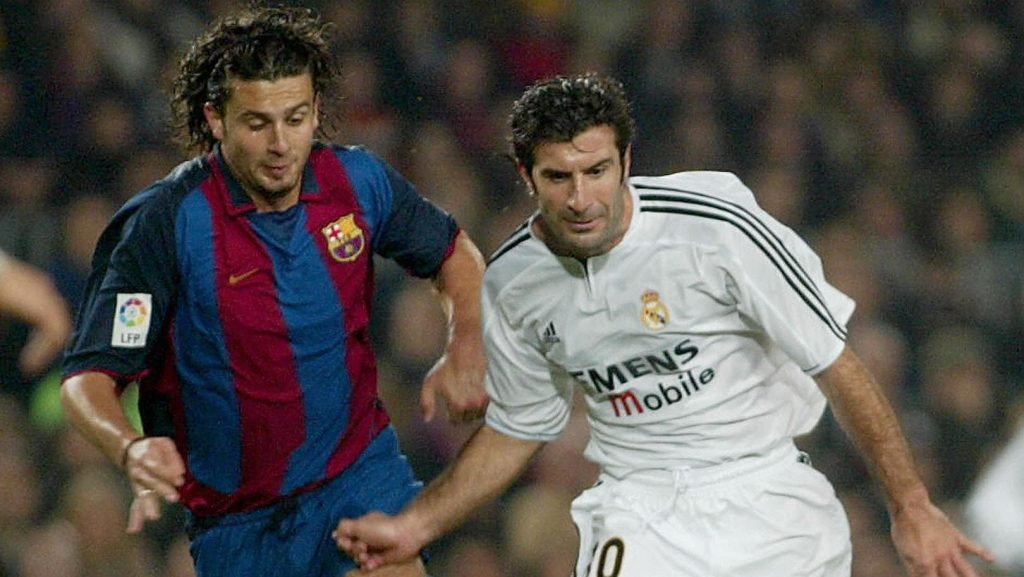
❓Could Luís Figo Have Simply Refused?
When discussing release clauses, a question often arises regarding the most infamous transfer of them all: If Real Madrid triggered the €60 million clause, did Luís Figo have the legal right to simply say “no” and stay at Barcelona?
Legally, the answer is yes. A release clause only forces the selling club to accept the transfer fee; it does not force the player to sign a contract with the buying club. If the player refuses personal terms, the transfer collapses. In reality, Figo reportedly never wanted to leave Barcelona. So why did he go?
The answer lies in a masterclass of boardroom deception by Florentino Pérez. Before the Real Madrid presidential election, Pérez was a heavy underdog. To generate immense publicity, he approached Figo’s agent, José Veiga, with a secret, highly lucrative pre-contract agreement.
The Bait: If Pérez lost the election, Figo would pocket over $2 million simply for signing the document and remain a Barcelona player.
The Trap: If Pérez miraculously won, Figo was legally bound to join Real Madrid. If he backed out of the agreement to stay at Barca, Figo would have to pay a staggering $30 million penalty to Pérez.
Figo and his agent signed the paper, entirely convinced that Pérez had zero chance of winning the election. They viewed it as free money to use as leverage for a better contract at Barcelona.
When Pérez shockingly won the presidency, Figo panicked. He was trapped. He begged Barcelona’s newly elected president, Joan Gaspart, to pay the $30 million penalty to Pérez so he could stay at Camp Nou.
Gaspart flatly refused, arguing that it was financial suicide and a massive humiliation for Barcelona to pay their arch-rivals $30 million just to keep their own player.
Backed into a corner and facing financial ruin, Figo had absolutely no choice but to sign the official contract with Real Madrid, completing the ultimate “forced” betrayal.
2. Luis Enrique (Real Madrid to Barcelona, 1996)
Before he became the mastermind behind Barcelona’s historic 2015 Treble as a manager, Luis Enrique was the symbol of Clásico revenge on the pitch.
Enrique spent five years at Real Madrid, but he continually clashed with the board and felt that his immense work ethic was taken for granted by the management.
Determined to make them pay, Enrique ran his contract down and negotiated a free transfer directly to Barcelona in 1996. Upon arriving at Camp Nou, he famously stated that the white kit of Real Madrid “never really suited him”.
He transformed into a ferocious, passionate leader for Barca, taking immense, visible delight in scoring against Madrid and celebrating wildly in front of the Bernabéu crowd.
3. Michael Laudrup (Barcelona to Real Madrid, 1994)
Michael Laudrup was the elegant playmaker of Johan Cruyff’s legendary “Dream Team” at Barcelona. With Laudrup pulling the strings, Barcelona won four consecutive La Liga titles. However, as Cruyff began favoring other foreign stars like Romário, Laudrup found himself benched for the 1994 Champions League final (which Barca lost 4-0 to AC Milan).
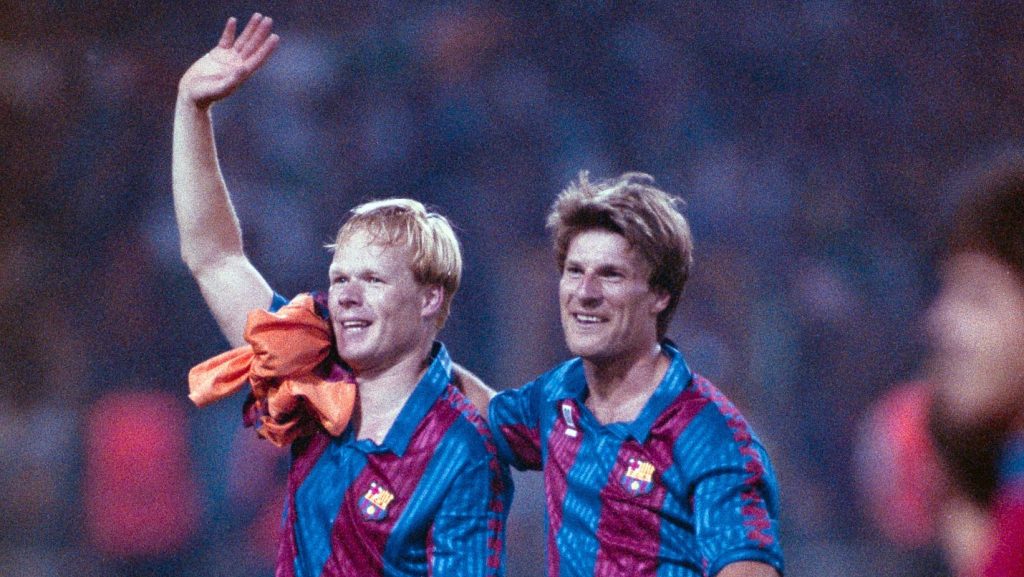
Furious at his treatment, Laudrup walked away and immediately signed for Real Madrid. His impact was instant and devastating. The year before, Laudrup helped Barca beat Madrid 5-0. In his first season at Madrid, he orchestrated a 5-0 victory over Barcelona, securing the La Liga title for Los Blancos and single-handedly shifting the balance of power in Spanish football.
4. Bernd Schuster (Barcelona to Real Madrid, 1988)
Bernd Schuster was one of the most gifted, yet incredibly temperamental midfielders of his generation. The “Blonde Angel” spent eight highly successful but turbulent years at Barcelona. He constantly feuded with the club’s board of directors, head coaches, and even his own teammates.
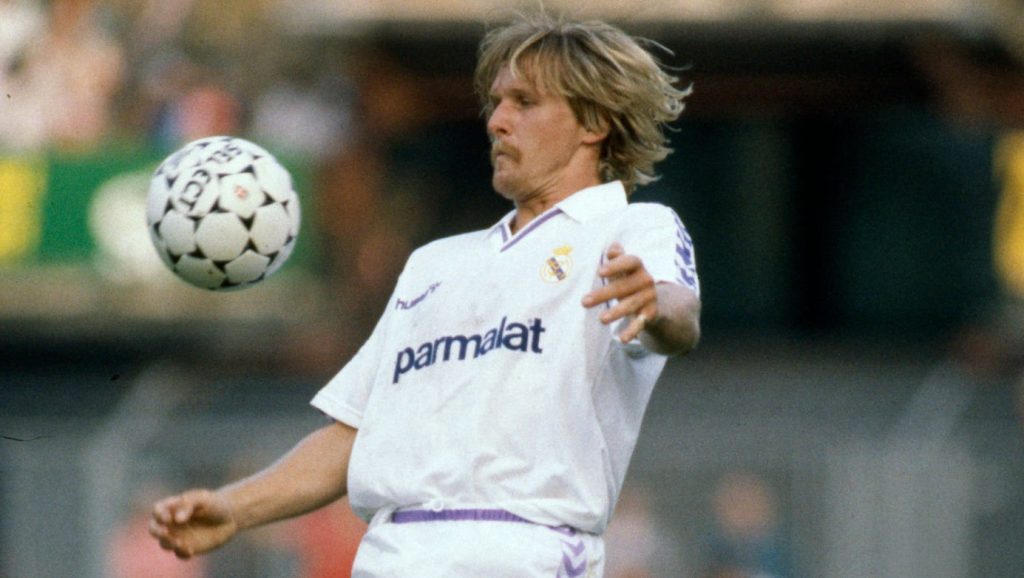
When his relationship with Barcelona broke down completely in 1988, Schuster didn’t just leave quietly; he went straight to Real Madrid. As if playing for both Clásico rivals wasn’t enough, Schuster later completed a bizarre hat-trick of betrayals by leaving Real Madrid to sign for their fierce city rivals, Atlético Madrid, in 1990.
5. Javier Saviola (Barcelona to Real Madrid, 2007)
Nicknamed “El Conejo” (The Rabbit), Javier Saviola was supposed to be Barcelona’s answer to the new millennium. Arriving as a teenager from River Plate, he scored prolifically in his early years at Camp Nou. However, as Frank Rijkaard took over and built a team around Ronaldinho and Samuel Eto’o, Saviola was pushed out on loan and eventually frozen out of the squad.
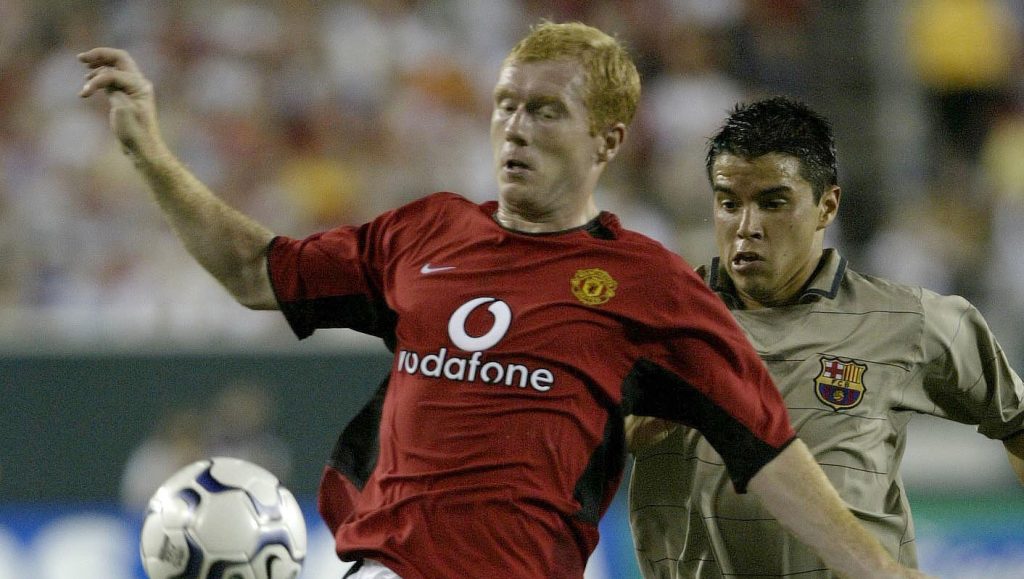
Rather than returning to Argentina or moving to a smaller European club, Saviola chose to run down his contract and made a direct, highly publicized free transfer to Real Madrid in the summer of 2007. Though his time at the Bernabéu was unsuccessful due to heavy competition for the striker role, the sheer audacity of a direct Clásico transfer in the 21st century generated massive media frenzy.
You have just read the article “Why Do Real Madrid and Barcelona Trade So Many Players?”. Follow 52Hz Football for more captivating stories about football, geography and culture.
READ MORE:
- 6 Players Who Played for Both PSG and Liverpool
- 8 Players Who Played for Both Arsenal and Sporting CP
- 8 Players Who Played for Both Real Madrid and Bayern Munich
- 6 Players Who Played for Both PSG and Bayern
