What is Compartecipazione? Why is Compartecipazione no longer popular? Explore the bizarre history of Italian football’s 50-50 co-ownership rules.
In the modern football transfer market, the rules of ownership are incredibly straightforward: a player belongs 100% to a single football club. If another team wants to sign that player, they must negotiate a transfer fee to acquire total ownership.
But for several decades, the landscape of Italian football operated under a completely different – almost chaotic set of rules.
Welcome to the world of Compartecipazione, a uniquely complex transfer system where a player could literally be owned by two rival clubs simultaneously.
For years, this co-ownership model was the beating heart of the Serie A transfer market, leading to dramatic negotiations, strategic alliances, and nerve-wracking blind auctions. But what is Compartecipazione? Was it legal worldwide? And why did football’s governing bodies eventually eradicate it from the beautiful game?
1. What is Compartecipazione?
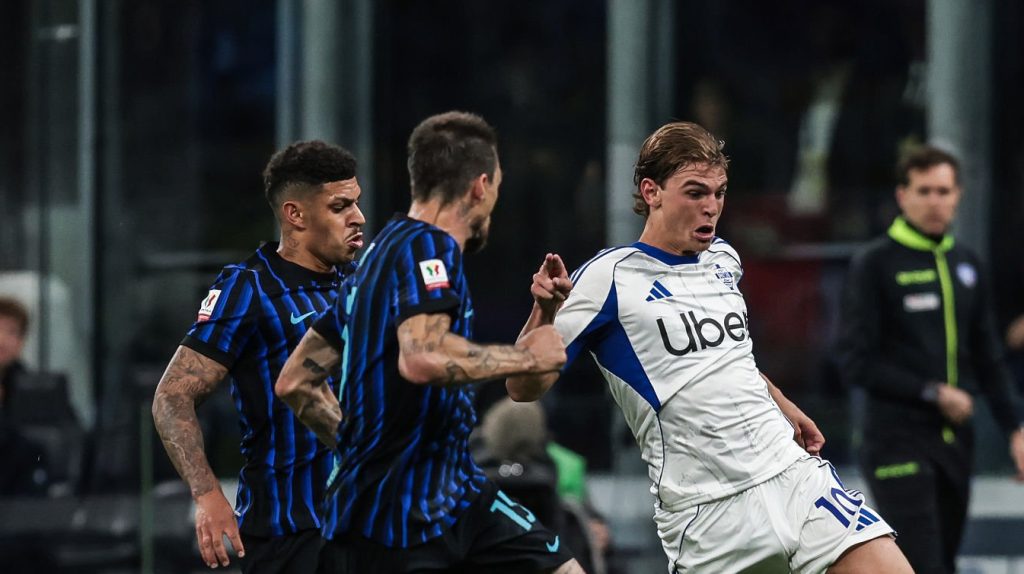
The term Compartecipazione directly translates to “co-participation” or “co-ownership”. In the context of football transfers, it was a legally binding contract in which two football clubs shared the registration rights of a single player, strictly on a 50-50 basis.
How did the system work in practice? When a co-ownership deal was struck, the “parent” club would sell exactly 50% of the player’s economic rights to a “partner” club. Despite being owned by two entities, a player obviously could not play for two teams at once. Therefore, the clubs had to agree on which team the player would represent for the upcoming season (known as holding the sporting rights).
Typically, the system was used in the following scenarios:
-
Youth Development: A club (like Juventus or Inter Milan) possessed a brilliant academy prospect but could not guarantee them starting minutes. Instead of a simple loan, they would sell 50% of the player to a smaller club (like Parma or Sassuolo). The smaller club was now financially incentivized to develop the player because they owned half of his future value.
-
Financial Gymnastics: Smaller clubs could acquire high-level players they normally couldn’t afford, paying only half the market price.
-
Makeweights: Instead of paying pure cash for a superstar, a club could offer money plus 50% ownership of two or three promising youngsters.
At the end of a pre-agreed period (usually one or two years), the two clubs had to sit down and resolve the co-ownership. One club had to buy out the other’s 50% share to assume full control of the player.
2. Was Co-Ownership Legal?
To modern fans, sharing a player sounds like a legal nightmare, but yes, Compartecipazione was entirely legal; under very specific jurisdictions.
However, it was highly regional. The system was the undisputed hallmark of Italian football (Serie A, Serie B, and lower divisions). It was officially recognized, heavily regulated, and actively encouraged by the Italian Football Federation (FIGC). During the 2000s and early 2010s, nearly every single club in Italy had dozens of players tied up in co-ownership webs.
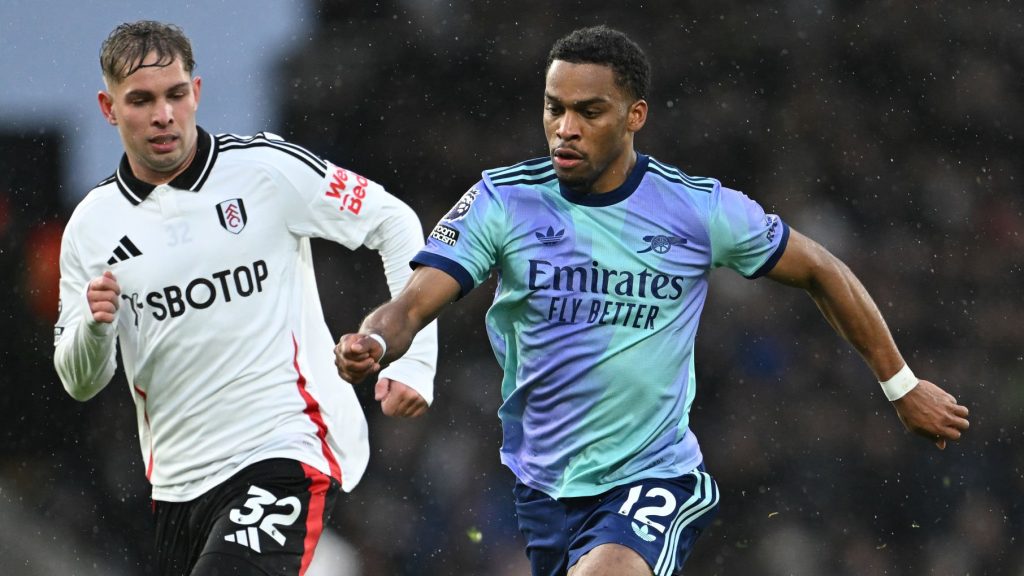
Did other countries use this system? Generally, no. The strict 50-50 club co-ownership model was almost exclusively an Italian phenomenon.
-
The Premier League (England): Co-ownership was strictly banned. The English FA required absolute clarity regarding player registration to maintain the integrity of the competition.
-
La Liga (Spain) & Bundesliga (Germany): They did not use the Compartecipazione system. Spain preferred mandatory buyout clauses and buy-back options, while Germany favored straightforward loans.
-
South America: While South American football had divided ownership, it was categorized as Third-Party Ownership (TPO), which is vastly different from the Italian club-to-club model (more on this below).
Because it was an internal FIGC regulation, Compartecipazione could only happen between two Italian clubs. For example, AC Milan could co-own a player with Genoa, but AC Milan could never enter a co-ownership agreement with Real Madrid or Manchester United.
3. Co-Ownership vs Third-Party Ownership (TPO)
It is vital to distinguish between Italian Co-ownership and Third-Party Ownership (TPO), as fans often confuse the two.
-
Compartecipazione (Club Co-ownership): The player is owned 50-50 strictly by two recognized football clubs. Both entities are bound by sporting regulations.
-
Third-Party Ownership (TPO): A football club owns a percentage of a player, but the remaining percentage is owned by private investors, sports agencies, or hedge funds (the “third party”).
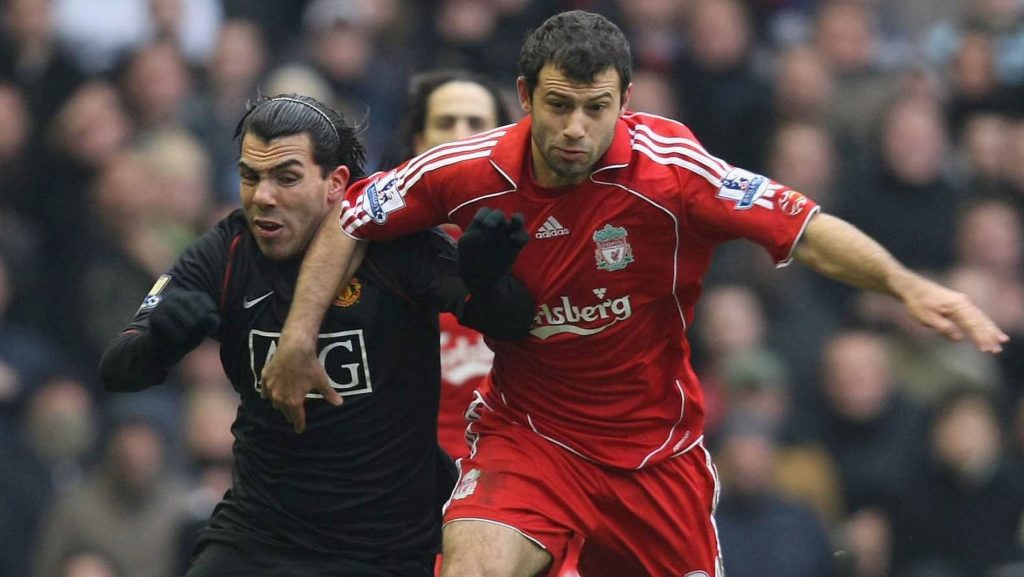
TPO was massively popular in Brazil, Argentina, and Portugal. The most infamous example of TPO was Carlos Tevez and Javier Mascherano‘s transfer to West Ham United in 2006, where their rights were actually owned by Kia Joorabchian’s company, MSI.
TPO was highly controversial because it allowed faceless corporations – who had zero sporting interests – to dictate when and where a player was transferred just to turn a profit.
4. The Blind Auction (Alle Buste): Football’s Most Nerve-Wracking Poker Game
What made Compartecipazione truly legendary was how disputes were settled. After a co-ownership period ended, the two clubs had to agree on a price for one to buy out the other.
But what happened if they couldn’t agree? What if both clubs desperately wanted to keep the player?
Enter the “Buste” (The Envelopes) – the blind auction.
If a mutual agreement wasn’t reached before the summer deadline, FIGC forced the clubs into a blind auction. Officials from both clubs would literally write a monetary figure on a piece of paper, place it inside a sealed envelope (busta), and submit it to the Lega Serie A headquarters.
The envelopes were opened simultaneously. The club that wrote the higher number won the player, and that exact amount of money was immediately transferred to the losing club.
It was a terrifying game of psychological poker. You had to guess how much the other club valued the player. Bid too high, and you bankrupt your own transfer budget. Bid too low, and you lose a superstar for pennies.
-
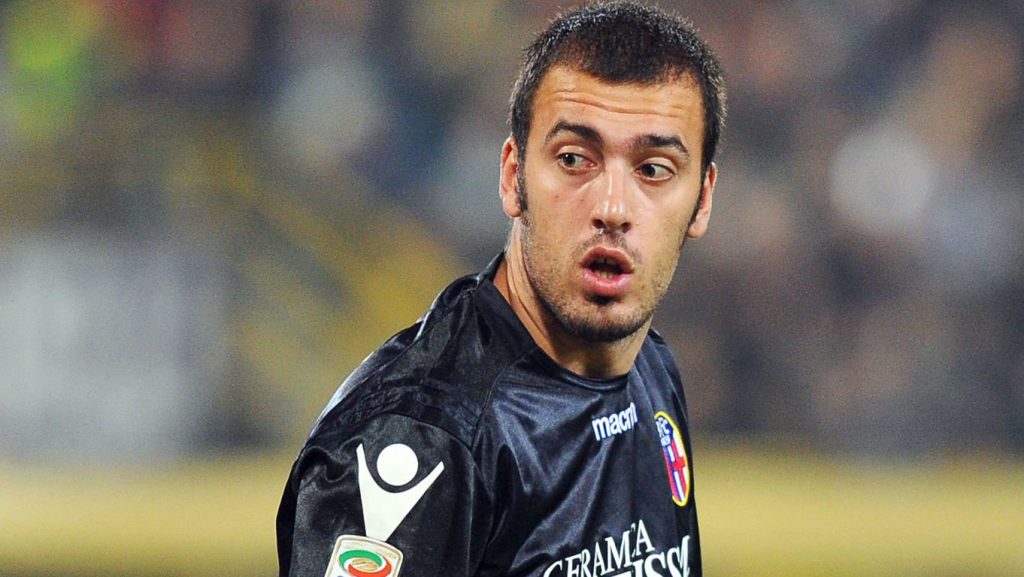
Fun Fact: In 2011, Bologna successfully won the blind auction for goalkeeper Emiliano Viviano over Inter Milan purely because an Inter Milan director accidentally wrote his bid on the wrong line of the submission form, rendering their multi-million Euro bid invalid!
5. Why Is Compartecipazione No Longer Popular?
Despite the drama and strategic depth it provided, Compartecipazione was completely abolished by the FIGC. In May 2014, the FIGC announced that no new co-ownership deals could be signed, and all existing deals had to be resolved by the summer of 2015.
Why did they kill their most unique transfer mechanism?
1. Financial Opacity and “Plusvalenze” (Capital Gains): Co-ownership became a massive accounting loophole. Clubs would artificially inflate the value of youth players they co-owned to balance their financial books.
By constantly trading 50% shares of obscure academy players at highly exaggerated prices, clubs generated fake capital gains (plusvalenze) to pass financial fair play audits without any real cash changing hands.
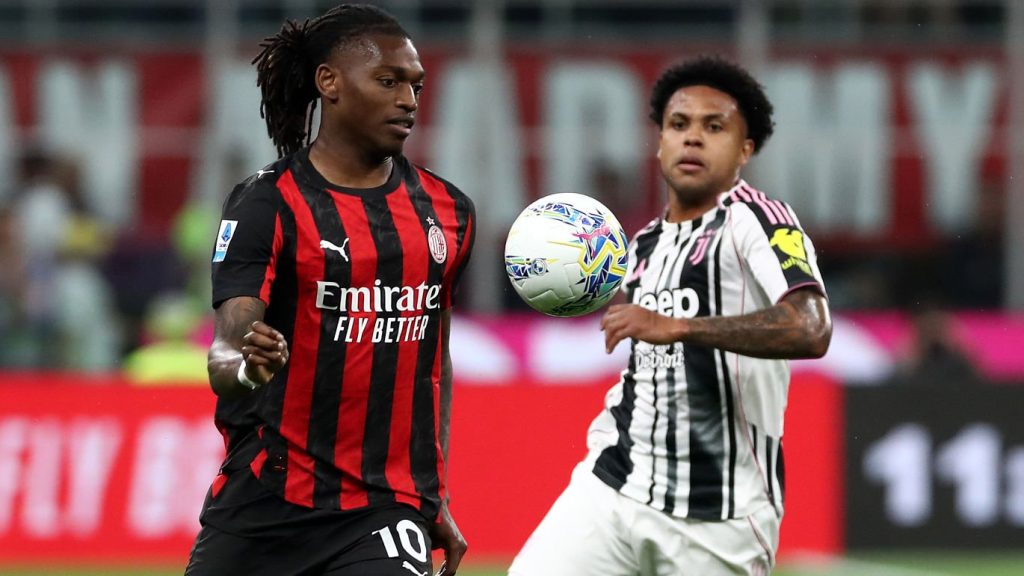
2. A Logistical Nightmare: The system grew entirely out of control. By 2014, massive clubs like Juventus and Parma had over 50 players tied up in co-ownership agreements across the lower divisions. It became impossible to track player development, and players often felt like commodities traded on a stock exchange rather than athletes.
3. European Standardization: As football became highly globalized, UEFA and FIFA pushed for standardized transfer rules across all domestic leagues. The sheer complexity of Italian co-ownership made international transfers incredibly difficult, as foreign clubs didn’t want to negotiate with two different Italian teams just to sign one player.
Following FIFA’s global ban on Third-Party Ownership (TPO) in 2015, Italy voluntarily scrapped Compartecipazione to align with modern and transparent European standards.
6. Top 5 Most Famous Co-Ownership Transfers in History
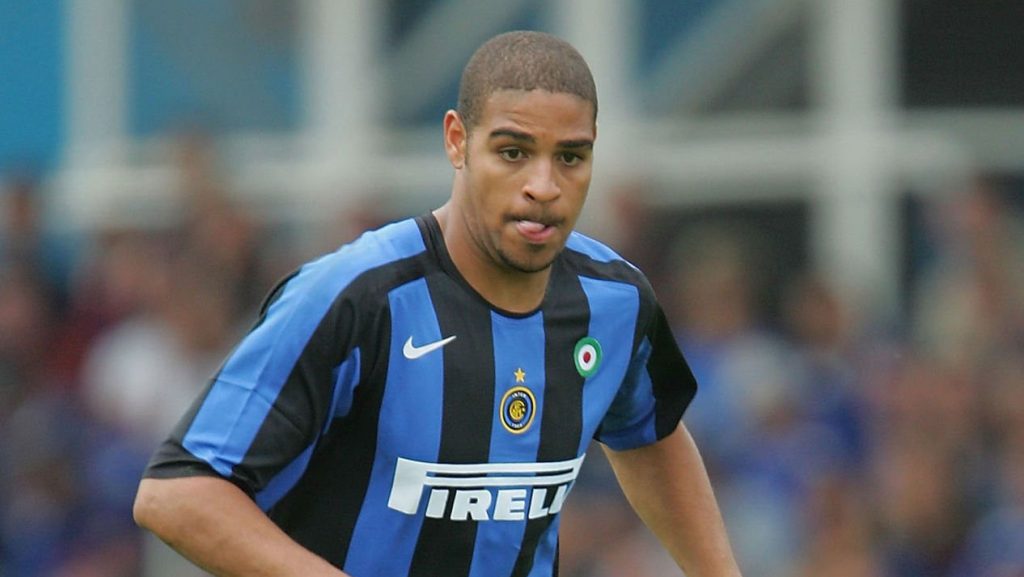
1. Adriano (Inter Milan & Parma)
In the early 2000s, Inter Milan recognized Adriano’s immense potential but had a crowded attacking lineup. They sold 50% of the Brazilian prodigy to Parma.
At the Ennio Tardini stadium, Adriano evolved into “L’Imperatore” (The Emperor), forming a devastating partnership with Adrian Mutu.
Realizing they had given away a generational talent, Inter Milan was forced to shell out over €23 million in 2004 just to buy back the 50% they had initially sold, reuniting him with the Nerazzurri.
2. Giorgio Chiellini (Juventus & ACF Fiorentina)
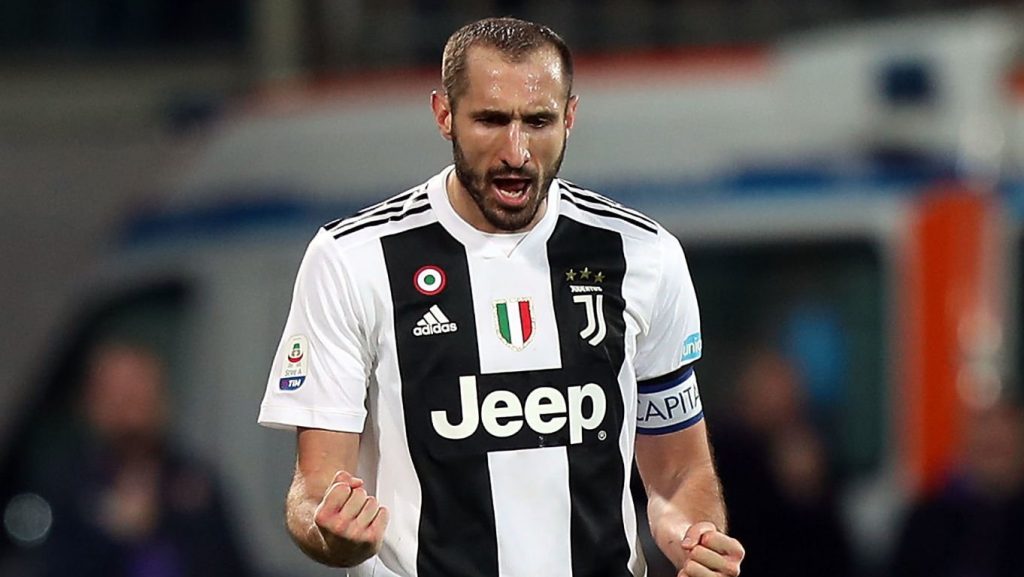
Before he became the symbol of Juventus’ unbreakable defense, Giorgio Chiellini was a pawn in the co-ownership system.
In 2004, Juventus bought him but immediately sold half of his registration rights to Fiorentina for €3.5 million to ensure he gained Serie A experience.
After a phenomenal breakout season in Florence, Juventus acted swiftly, paying Fiorentina €4.3 million to buy back his remaining half.
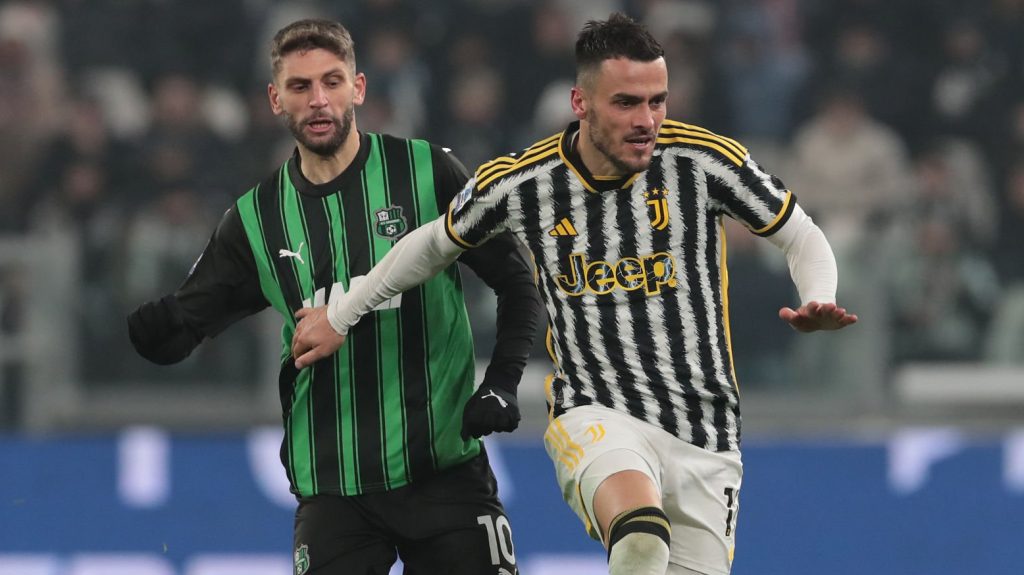
3. Domenico Berardi (Juventus & Sassuolo)
The quintessential modern co-ownership saga.
Juventus and Sassuolo shared the rights to Domenico Berardi during his meteoric rise. While Juventus desperately wanted him to move to Turin, Berardi continuously refused, preferring the guaranteed playing time at Sassuolo.
The co-ownership dragged on until the FIGC banned the system. In 2015, forced to resolve the contract, Sassuolo proudly paid €10 million to buy out Juventus’s 50% share, making Berardi their undisputed franchise player.
4. Sebastian Giovinco (Juventus & Parma)
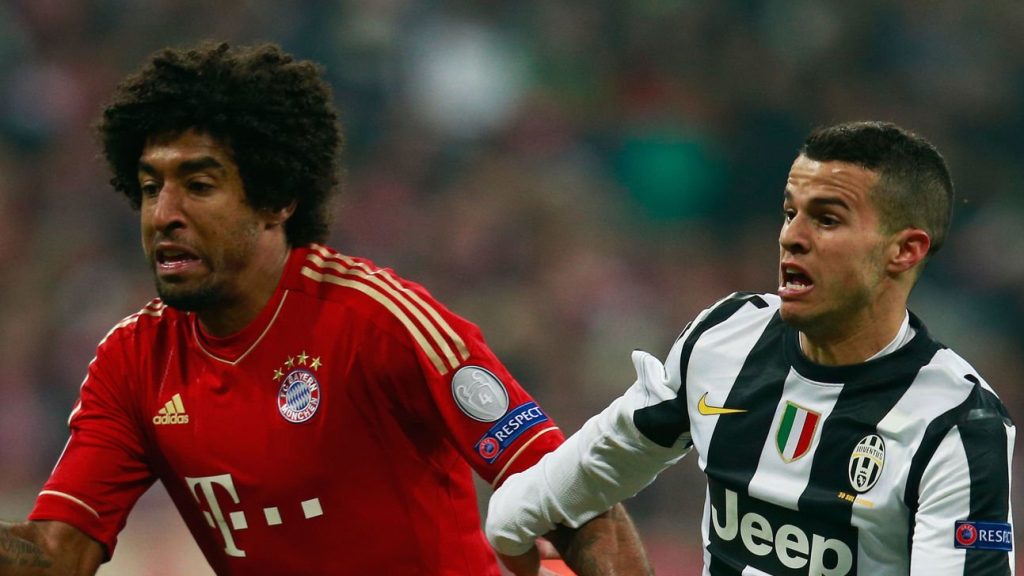
Nicknamed the “Atomic Ant”, Giovinco was a Juventus academy darling who struggled for minutes.
Sent to Parma on a co-ownership deal, he exploded into life, becoming one of the most lethal attackers in Italy.
His sensational form backed Juventus into a corner. In 2012, to avoid losing him permanently in a blind auction, Juventus was forced to pay Parma €11 million to reclaim the remaining 50% of a player their own academy had produced.
5. Radja Nainggolan (AS Roma & Cagliari)
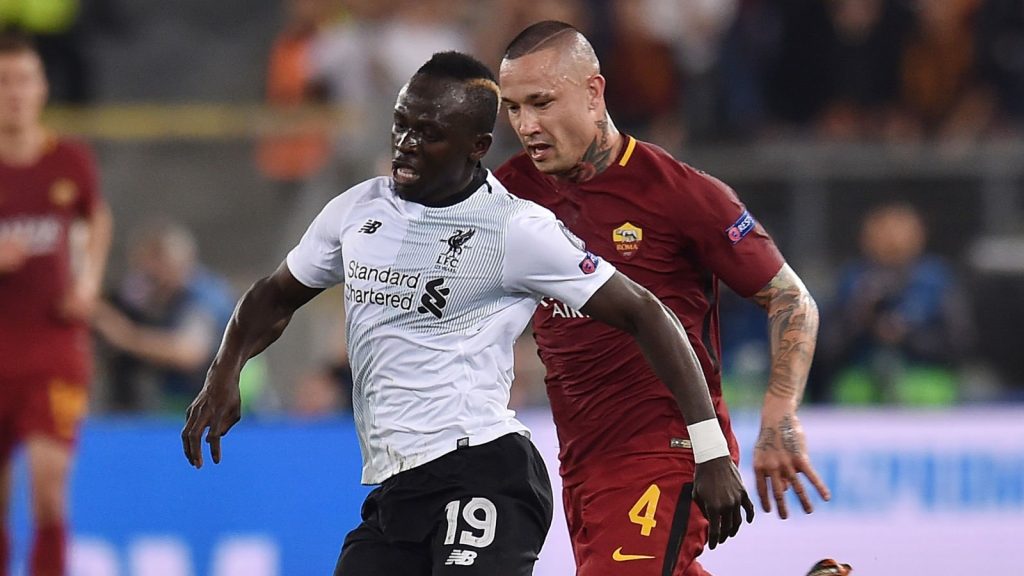
The Belgian “Ninja” was the subject of a brilliant co-ownership strategy by AS Roma.
In 2014, Roma paid Cagliari €3 million for a half-season loan, coupled with an agreement to buy 50% of his rights for €6 million. Nainggolan became an instant midfield gladiator in the capital.
Unwilling to risk a blind auction, Roma happily paid an additional €9 million the following year to secure 100% of his rights, completing one of their best modern transfers.
Conclusion
The era of Compartecipazione represents a bygone chapter of football history. While modern fans are accustomed to the clinical, straightforward nature of release clauses and simple transfer fees, the Italian co-ownership model provided a level of boardroom strategic alliances, and poker-faced blind auctions that the sport will likely never see again.
It was chaotic, financially flawed, and deeply stressful for the players, but it undeniably made the summer transfer windows incredibly entertaining.
You have just read the article “What Is Compartecipazione? History of Co-Ownership in Football”. Follow 52Hz Football for more captivating stories about football, geography and culture.
READ MORE:
- How Many Players Played for Both Man United and Liverpool? Why Man Utd and Liverpool Never Swap Players?
- Why Do Real Madrid and Barcelona Trade So Many Players?
- All Players Who Played For Both Real Madrid and Barcelona – More Than You Think!
- How Clubs Actually Pay for Blockbuster Transfers via Bank Loans?
