
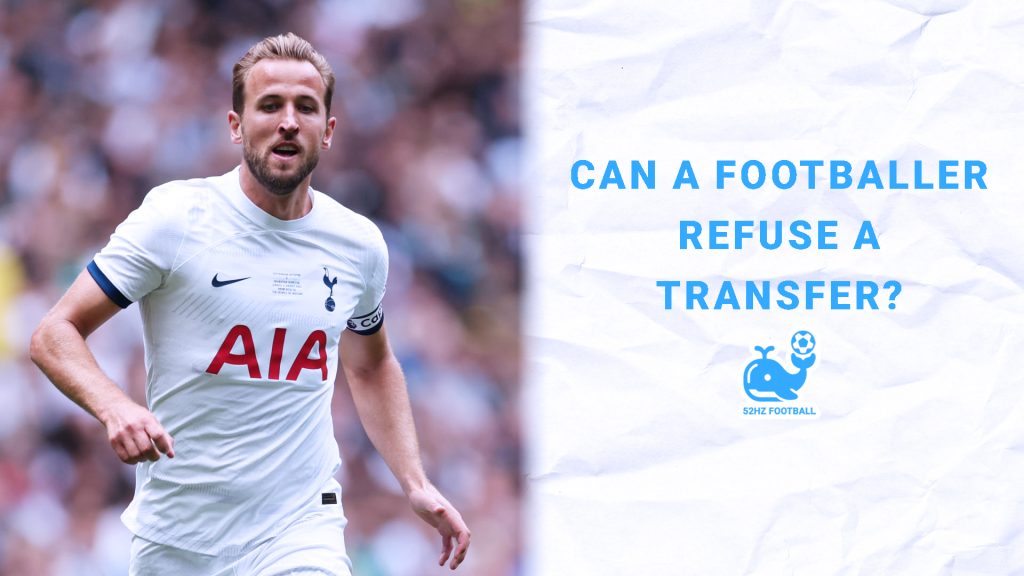
A football club may accept a huge offer for one of its players, but that does not mean the transfer is complete since the player still has the right to reject the move. So, can a footballer refuse a transfer?
Yes. A contracted player cannot normally be sold to another club without agreeing to the move. A transfer requires more than an agreement between two teams: the footballer must also accept the personal terms and sign the necessary documents.
Several high-profile deals have shown exactly how this works.
1. Can a Player Reject a Transfer After the Clubs Agree a Fee?
Yes. An accepted transfer fee only gives the buying club permission to negotiate with the player. It does not oblige him to sign.
Kylian Mbappé provided a clear example in 2023. Al Hilal submitted a reported €300 million bid to Paris Saint-Germain, and PSG allowed the Saudi club to speak to the forward. Mbappé, however, refused to meet Al Hilal’s representatives.
Without his agreement, the proposed world-record transfer could not proceed.

The same principle applies to less expensive deals. A player may reject a move because of the salary, contract length, location, sporting project or expected playing time. He does not need to accept simply because his current club wants to sell him.
In a permanent transfer, three stages usually need to be completed:
- The selling club and buying club agree the transfer terms.
- The buying club and player agree a new contract.
- The required documents are submitted and the player is registered.
If one side says no, the transfer can collapse.
2. What Happens If a Footballer Refuses to Leave?
In most cases, the player remains at his existing club under the same contract.
The club must continue to respect that agreement, including the player’s salary and other contractual benefits. Refusing a transfer is not, by itself, a valid reason to stop paying him.
However, staying does not guarantee regular football. The manager may leave the player on the bench, send him to train away from the senior squad or omit him from a competition list, provided the club remains within the contract, employment law and applicable football regulations.

Winston Bogarde’s time at Chelsea is often used as an extreme example. The defender joined the club in 2000 but quickly fell out of first-team contention. Chelsea wanted to move him on, yet Bogarde remained until his contract expired in 2004 and made only a small number of appearances.
The story is sometimes presented as Bogarde refusing every opportunity to leave. He later explained that he would have considered a loan if Chelsea covered part of his salary, but the club reportedly wanted another team to pay his wages in full. No suitable agreement was reached, so he was entitled to stay and continue receiving the salary Chelsea had offered him.
3. Can a Club Force a Player to Sign for Another Team?
No. A club cannot simply transfer a player’s employment contract to another team without his participation and consent.
It may encourage him to leave by accepting offers, informing him that he is no longer part of the manager’s plans or limiting his first-team opportunities. Those measures can make a transfer more attractive, but the player still decides whether to sign the new contract.
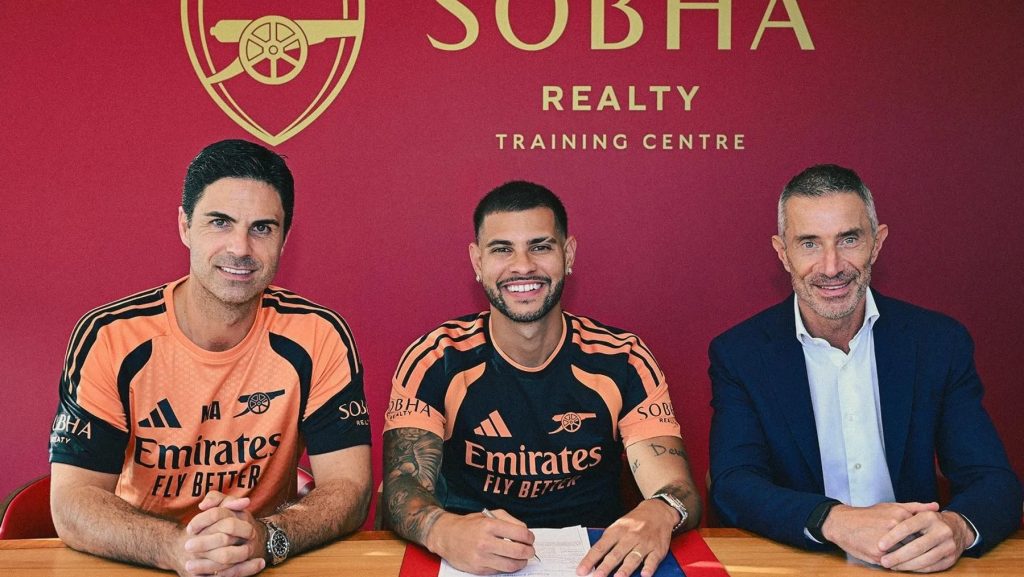
A footballer can also reject the proposed personal terms after initially showing interest. Until the relevant agreements are completed, discussions do not guarantee that the move will happen.
This is why phrases such as “club agreement reached” and “transfer completed” do not mean the same thing.
4. Can a Footballer Force His Club to Sell Him?
Usually, no. The player’s approval is essential, but so is the selling club’s approval while his contract remains valid.
Harry Kane’s unsuccessful attempt to join Manchester City in 2021 demonstrated the other side of the process. Kane wanted the move, while City pursued the England captain and reportedly made a substantial offer. Tottenham refused to accept the proposed terms, and Kane ultimately confirmed that he would remain at the club.

He did not join Bayern Munich until 2023, when Tottenham finally agreed to sell him.
A transfer request can communicate a player’s wishes, but it does not cancel his contract. Unless there is a release clause, an expiring deal or another legal basis for termination, the club can reject the offer.
What If the Player Has a Release Clause?
A release clause can remove the selling club’s ability to block a transfer if its conditions are met. It does not remove the player’s freedom to choose.
Neymar’s move from Barcelona to Paris Saint-Germain in 2017 is the best-known example. PSG activated the Brazilian’s €222 million release clause, preventing Barcelona from demanding a higher fee or refusing the deal.
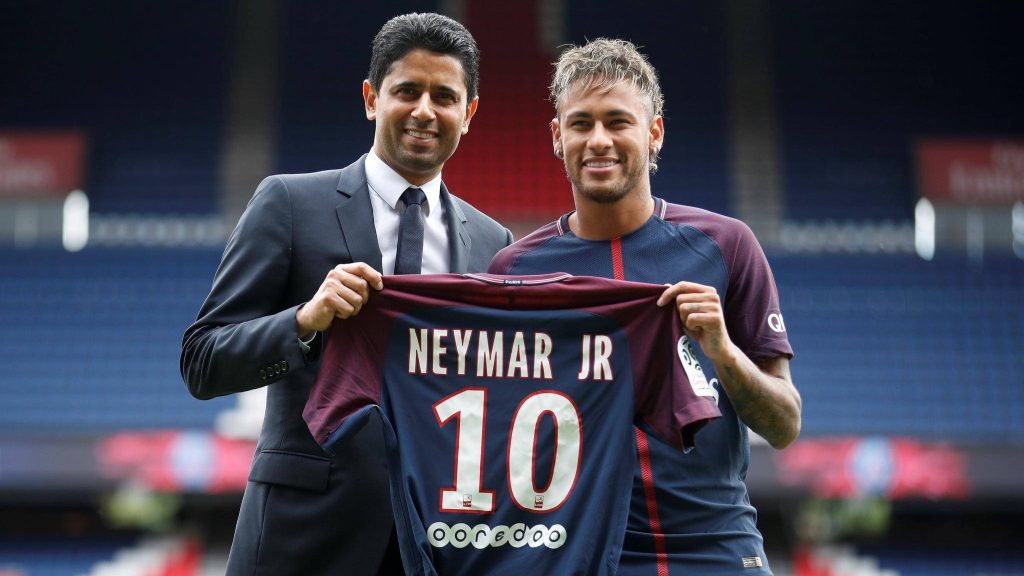
However, Neymar still had to want the transfer and agree a contract with PSG. If he had decided to remain at Barcelona, the existence of the clause would not have forced him to leave.
The effect of a release clause also depends on its exact wording and the law governing the contract. Some clauses create an automatic right to leave, while others may only require the club to consider or accept an offer.
Can a Player Refuse a Loan Move?
Yes. A loan also requires the footballer’s approval.
The clubs may agree the loan fee, salary contribution and possible purchase option, but the player must accept the temporary move. He may refuse because he would prefer to fight for his place, does not want to relocate or believes another destination would suit his career better.
If he rejects the loan, he normally stays at his parent club unless another agreement is found.

What Changes When the Contract Expires?
Once the contract ends, the former club normally loses the power to demand a transfer fee for the player’s registration. The footballer can choose his next club, subject to registration rules and any applicable training compensation.
Mbappé eventually followed this route. After rejecting the proposed move to Al Hilal and deciding not to extend his PSG contract, he joined Real Madrid in 2024 without Madrid paying PSG a transfer fee.

Players approaching the final six months of a contract may also be allowed to negotiate a future agreement with a foreign club under FIFA rules, although domestic regulations can differ.
This gives an expiring player considerably more control than someone with several years remaining on his contract.
Can a Transfer Collapse After Everyone Says Yes?
Yes. Agreement between the clubs and the player does not always guarantee registration.
Hakim Ziyech appeared set to join Paris Saint-Germain on loan from Chelsea in January 2023. Ziyech had travelled to Paris, and the main parties were ready to complete the deal. However, the required documentation was not submitted correctly before the deadline, and the French league refused to register the transfer.
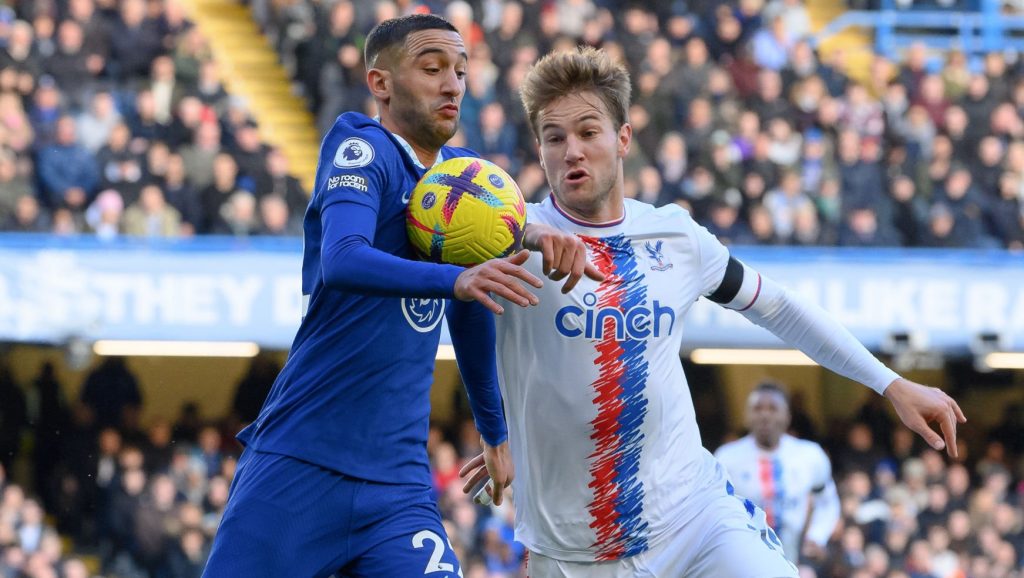
Ziyech therefore had to return to Chelsea despite wanting the move.
Transfers can also fail because of medical concerns, work-permit problems, contract disputes or missed registration deadlines. The deal is not truly complete until the agreements and registration requirements have been satisfied.
Frequently Asked Questions
Q: Can a club stop paying a player who refuses a transfer?
A: Not simply because he rejected the move. The existing contract remains in force, and the club must continue meeting its obligations unless the player commits a separate breach.
Q: Can a player change his mind after a fee has been agreed?
A: Yes. The agreement between the clubs does not bind the player to the buying club. He can reject the contract or withdraw before completing the move.
Q: Can a player leave without his club’s permission?
A: A player can leave when his contract expires or if the parties agree to terminate it. Unilateral termination during a valid contract is more complicated and can lead to compensation, sporting consequences or legal proceedings. The outcome depends on the contract, the reason for termination, national law and current football regulations.
You have just read “Can a Footballer Refuse a Transfer?”. Follow 52Hz Football for more stories about Premier League players, transfers and club connections.
