
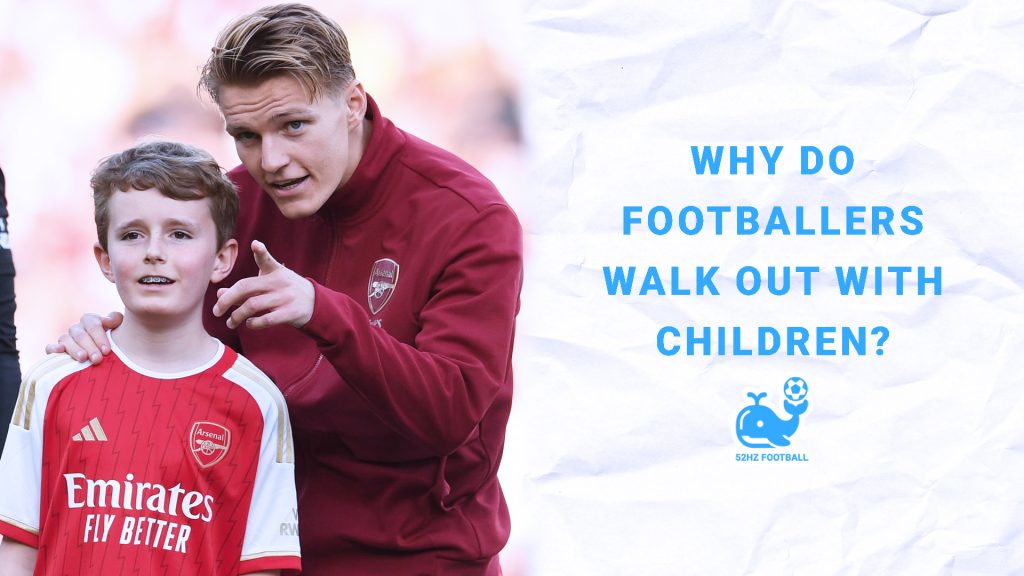
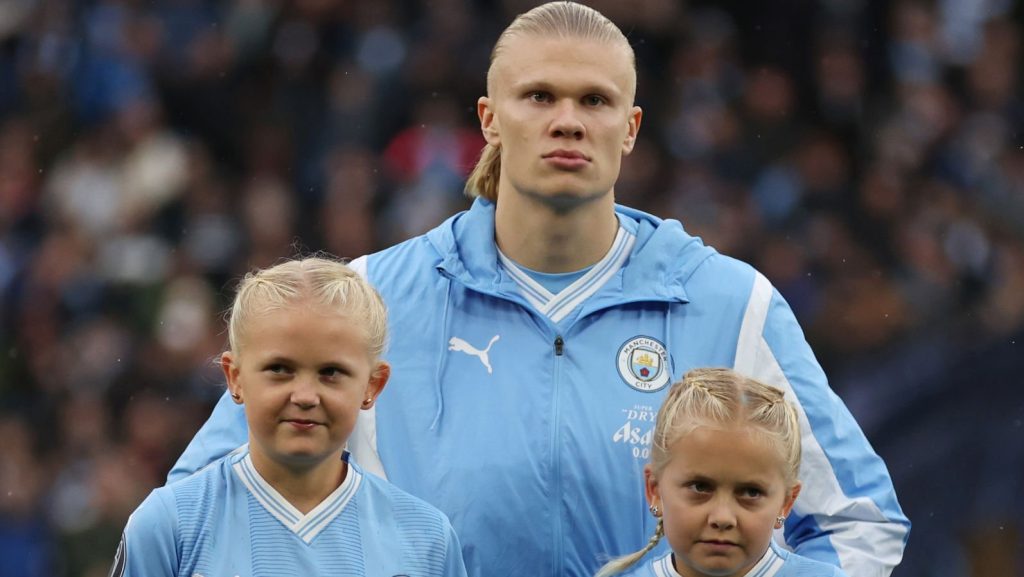
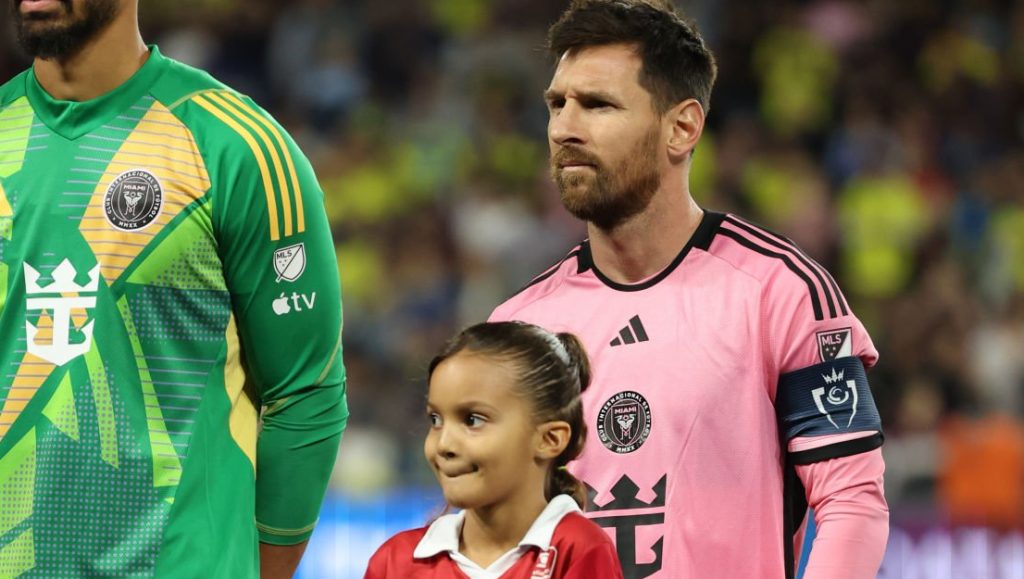
Before the whistle, the anthem and the first tackle, footballers enter the pitch holding hands with children. The scene is now so familiar that few supporters stop to ask why it happens.
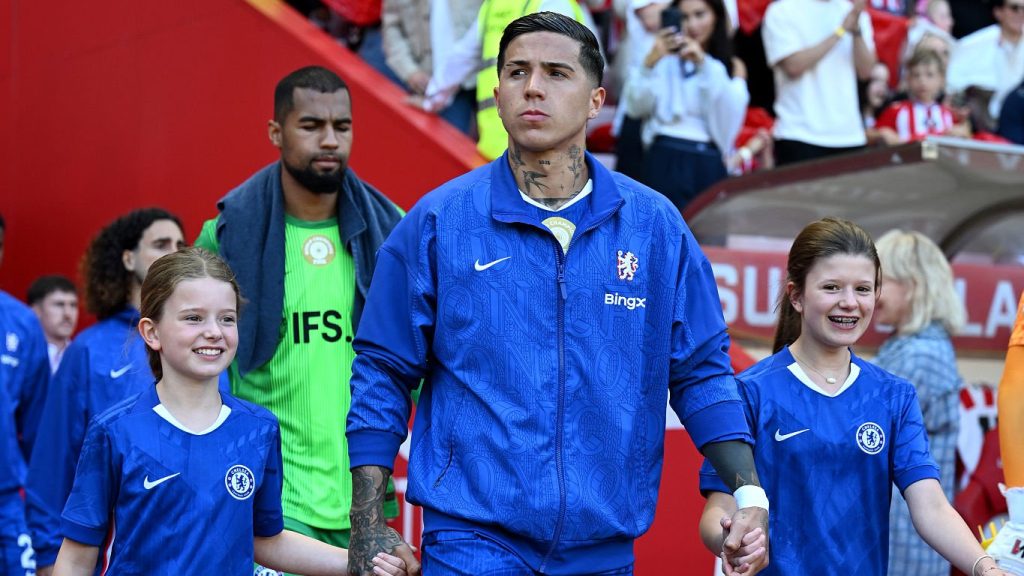
The children are usually called player escorts, matchday mascots or simply mascots. Their appearance is partly ceremonial, partly connected to clubs’ community work and, in some competitions, supported by commercial partners.
There is no universal mascot programme. Children may be selected through junior membership ballots, charities, sponsors or grassroots football projects.
1. Where Did the Tradition Begin?
The exact origin is difficult to establish. Children appeared beside teams on isolated occasions decades before the modern format became standard. One frequently cited example occurred in Brazil in 1976, when children accompanied Atlético Mineiro players onto the pitch. European clubs later used one or two young supporters as official match mascots, rather than assigning a child to every player.
Wayne Rooney, for example, was an Everton mascot at the Merseyside derby in 1996, several years before he made his professional debut for the club.
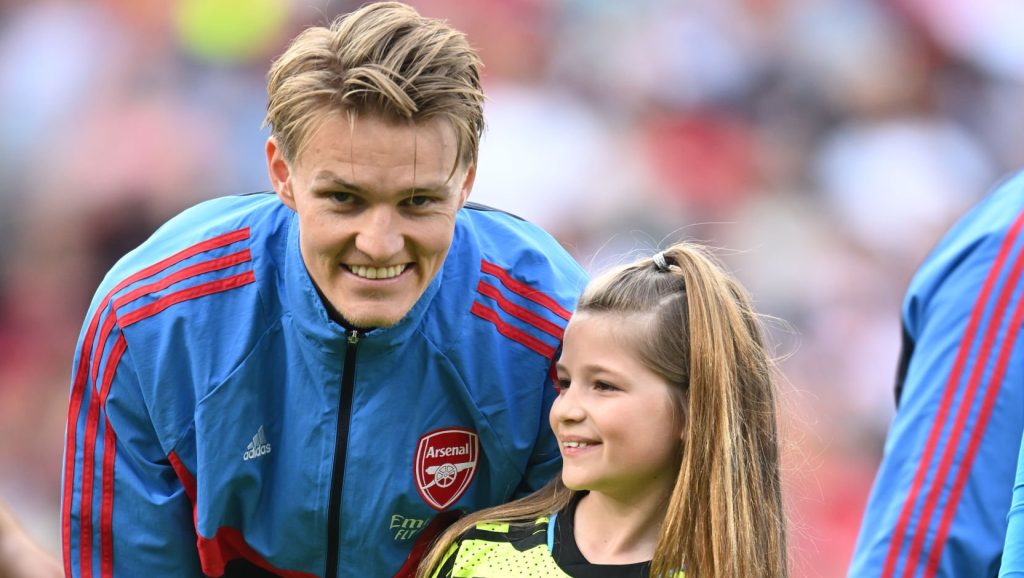
The version recognised today – two teams entering with a child beside almost every player – became much more visible around UEFA Euro 2000. World Cup and other tournament programmes then turned the walkout into an established part of football’s pre-match ceremony. The practice therefore developed gradually rather than being invented by one organisation.
2. Why Do Players Walk Out With Children?
2.1. To Connect Elite Football With Young Supporters
The simplest reason is that football clubs want children to feel part of the game.
Walking onto the pitch allows a young supporter to experience the stadium from the players’ perspective. The child enters through the tunnel, hears the crowd and stands on the pitch moments before kick-off. For clubs, that memory can deepen a family’s connection with the team.
UEFA has described its mascot initiatives as a way to connect grassroots and elite football. At the 2026 Women’s Champions League final, for instance, 22 children from across Norway were selected to accompany the players and promote participation in the women’s game.
2.2. To Support Community and Charity Programmes
Mascot places are sometimes given to children involved in local football projects, charities or community organisations.
This allows clubs and governing bodies to recognise young people who might not otherwise have access to a major match. Children living with disabilities, recovering from illness or participating in social programmes have all served as mascots.
At European finals, the UEFA Foundation for Children has worked with charities and grassroots organisations to select player and referee mascots. Their presence can draw attention to inclusion, education and access to sport. Special walkouts have also featured adult mascots, family members or rescue dogs in support of particular campaigns.
2.3. To Create a Family-Friendly Atmosphere
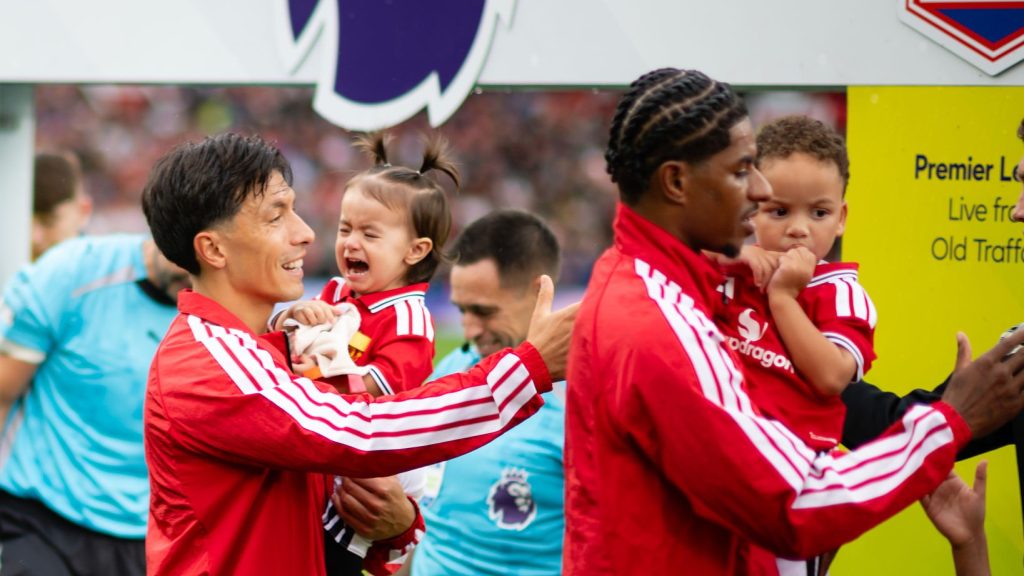
The sight of players walking beside children helps establish a different tone before an intense match.
Football can be emotional, tribal and occasionally hostile. The mascots provide a reminder that the game is also shared across generations, softening the transition from the noise of the stadium to the formal handshakes before kick-off.
It is sometimes claimed that children were introduced specifically to discourage crowd violence or stop objects being thrown at players. The theory is repeated frequently, but there is little evidence that it was the universal reason behind mascot programmes.
A family-friendly image is useful to clubs, but community involvement, supporter engagement and sponsorship are better-supported explanations for why the practice became widespread.
2.4. Sponsorship and Commercial Promotion
There is also a commercial side to the tradition.
Major tournaments have operated player escort programmes with global sponsors. The sponsor receives valuable pre-match exposure, while children are offered an experience that would otherwise be almost impossible to obtain.
Club programmes can also encourage junior memberships. Some teams include mascot opportunities as a free benefit, while others sell packages containing tickets, kits and photographs. That does not make every mascot place a paid product; the method varies considerably between clubs.
3. How Are Children Selected as Football Mascots?
There is no universal application system.
Manchester City offers its player mascot experience as a free opportunity for eligible junior members aged between five and 12. Tottenham uses a ballot for qualifying junior members and season-ticket holders, while Newcastle allocates places through competitions promoted to its junior supporters.
Chelsea requires applicants to be Junior Blue members and between six and 12 during the relevant season. Other clubs reserve places for sponsors, community partners, charities or local youth teams.
Some clubs also offer paid packages. These may include tickets, a full kit, a stadium tour, photographs or a meeting with players.
Demand is usually much greater than the number of available places. Joining a junior membership programme therefore does not guarantee that a child will be selected.
4. Do Parents Have to Pay?
Sometimes, but not always.
Several clubs operate free ballots for junior members. A family may still pay for membership, travel or additional tickets, but there is no separate mascot fee.
Other clubs sell a hospitality-style package. The price can depend on the opponent, competition and benefits included, with major matches generally the hardest to secure.
Charity selections are normally arranged directly with the organisation involved, with children invited through a programme rather than by purchasing the opportunity.
Parents should always apply through the club’s official website. Unofficial sellers claiming to guarantee access to the tunnel or players should be treated with caution.
5. What Happens on the Day?
The schedule differs between clubs, but mascots normally arrive several hours before kick-off. Staff confirm the child’s registration, explain the safeguarding arrangements and provide any clothing included with the experience.
The child may visit parts of the stadium, watch the warm-up, meet players or have official photographs taken. Shortly before the match, the mascots assemble in the tunnel and are paired with players.
They then walk onto the pitch, take part in the pre-match line-up and return to their families or designated seats before kick-off.
Not every mascot is guaranteed to walk with a particular footballer. Pairings can change because of team selections, injuries, late substitutions or operational decisions made on matchday.
Frequently Asked Questions
Q: Why are the children called mascots?
A: A mascot traditionally represented or brought luck to a team. The term later became associated with children accompanying the players, although “player escort” is more precise.
Q: How old must a child be to become a football mascot?
A: Each club sets its own limit. Many accept children between five and 12, although some extend eligibility to 14. Other safeguarding requirements may apply.
Q: Can a child choose which player to walk out with?
A: Usually not. Clubs organise the pairings, and the final decision may not be made until the starting line-ups are confirmed.
Q: Are all mascot places paid?
A: No. Children may be selected through free membership ballots, sponsor competitions, grassroots projects or charity partnerships. Some clubs also sell paid matchday mascot packages.
Footballers walk out with children for several overlapping reasons. The tradition connects young supporters with their heroes, promotes community work and gives sponsors valuable exposure.
For the players, it lasts only a few minutes. For the child beside them, it can become the part of the match remembered for a lifetime.
You have just read “Why Do Footballers Walk Out With Children?”. Follow 52Hz Football for more stories about Premier League players, transfers and club connections.
