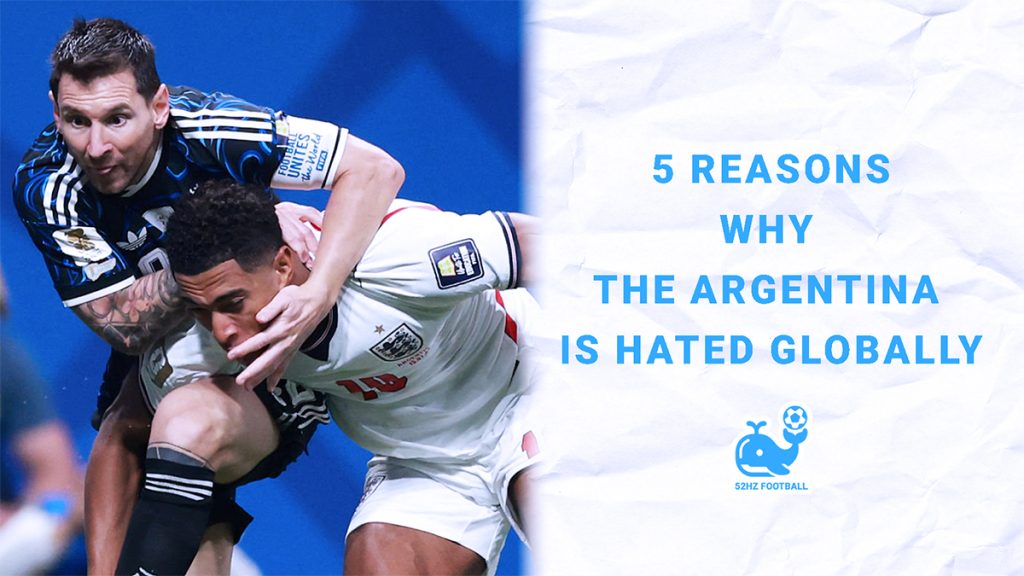
Despite a glittering cabinet of recent international trophies, the Argentina national football team remains arguably the most fiercely hated squad in global sports.
As the reigning champions of the 2022 FIFA World Cup, the back-to-back winners of the Copa America in 2021 and 2024, and the victors of the Finalissima, the Argentina national football team has cemented a legacy of undeniable greatness.
Furthermore, they boast Lionel Messi, a player widely regarded by millions as the undisputed greatest of all time (GOAT), whose magical left foot has brought unprecedented joy to football purists.
Yet, beneath this glittering surface of gold medals and historic triumphs lies a fascinating and undeniable paradox: the Argentina national team is arguably one of the most fiercely hated and heavily criticized squads in the history of international football.
How can a team that plays such brilliant football, led by such a universally admired captain, attract so much global hostility?
Here is a comprehensive analysis into the top five reasons why the Argentina national football team is deeply hated by fans across the globe.
1. The Culture of “Picardía”
One must understand the deeply ingrained cultural concept of Picardía (which roughly translates to street smarts, cunning, or mischievousness). In the Argentine sporting psyche, football is not merely a gentleman’s game of skill; it is a battle of wits where the ultimate goal is to win by absolutely any means necessary.
While Argentines view Picardía as a vital survival skill and a mark of intelligence on the pitch, the rest of the footballing world often views it as blatant cheating and unsportsmanlike conduct. This ideological clash has roots dating back decades.
The most infamous historical example is, without a doubt, Diego Maradona’s “Hand of God” goal against England in the 1986 World Cup quarter-final – a moment celebrated as divine intervention in Buenos Aires, but condemned as daylight robbery in London.
In the modern era, this philosophy manifests as the “dark arts” of the game. Critics point to the Argentine players’ constant surrounding and harassing of the referee, highly theatrical dives to simulate injuries, and shameless time-wasting tactics when holding onto a narrow lead.
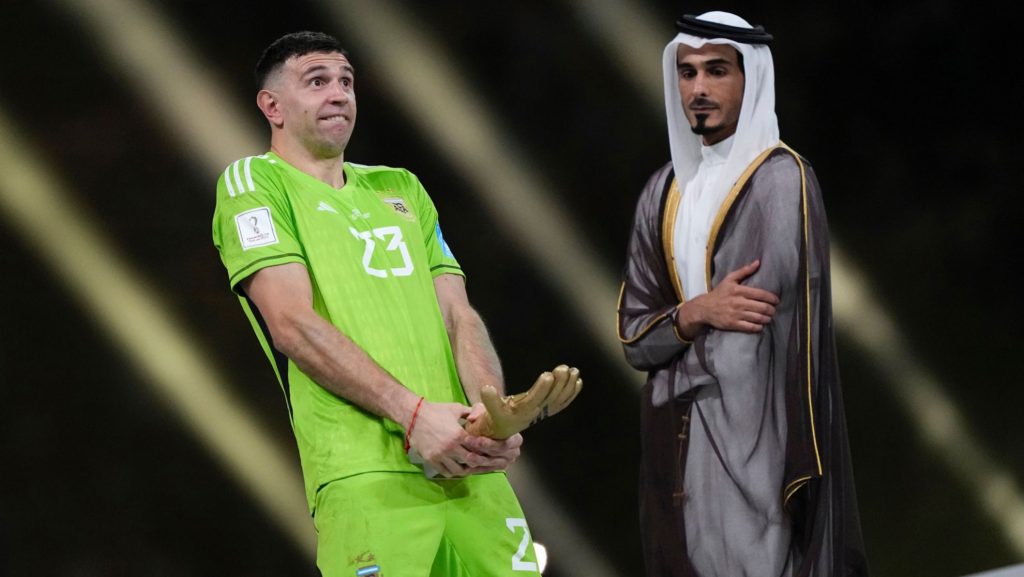
Goalkeeper Emiliano Martinez has become the modern poster boy for this, utilizing intense psychological warfare, trash-talking, and rule-bending antics during penalty shootouts. For neutral fans who cherish the traditional European ideals of fair play and sporting integrity, Argentina’s willingness to embrace the ugly side of the game makes them incredibly difficult to root for.
2. Perceived Arrogance & Provocative Celebrations
Winning gracefully is an art form, and it is one that critics argue the Argentine national team has fundamentally failed to master.
Across South America, there has long been a prevailing cultural stereotype – heavily perpetuated by rival nations like Brazil, Chile, and Mexico – that Argentines possess an inherent superiority complex. When this perceived arrogance bleeds onto the football pitch, it often results in inflammatory and deeply disrespectful behavior toward defeated opponents.
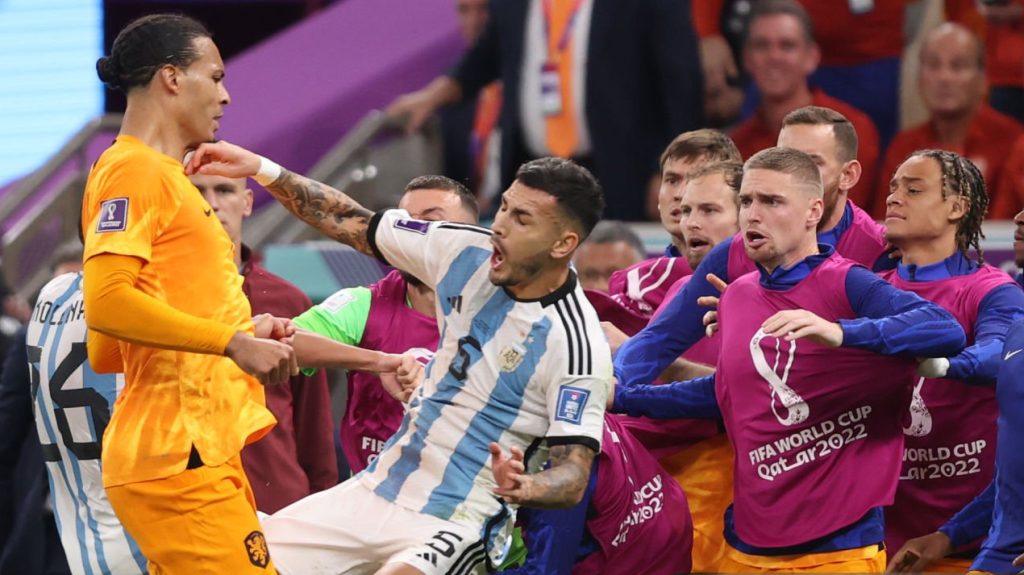
The 2022 World Cup provided a masterclass in this polarizing behavior. The quarter-final clash against the Netherlands was a boiling pot of animosity. Following a brutal, foul-heavy match where Leandro Paredes deliberately booted the ball into the Dutch dugout to spark a mass brawl, the Argentine players famously celebrated their penalty shootout victory by turning and openly mocking the grieving Dutch squad.
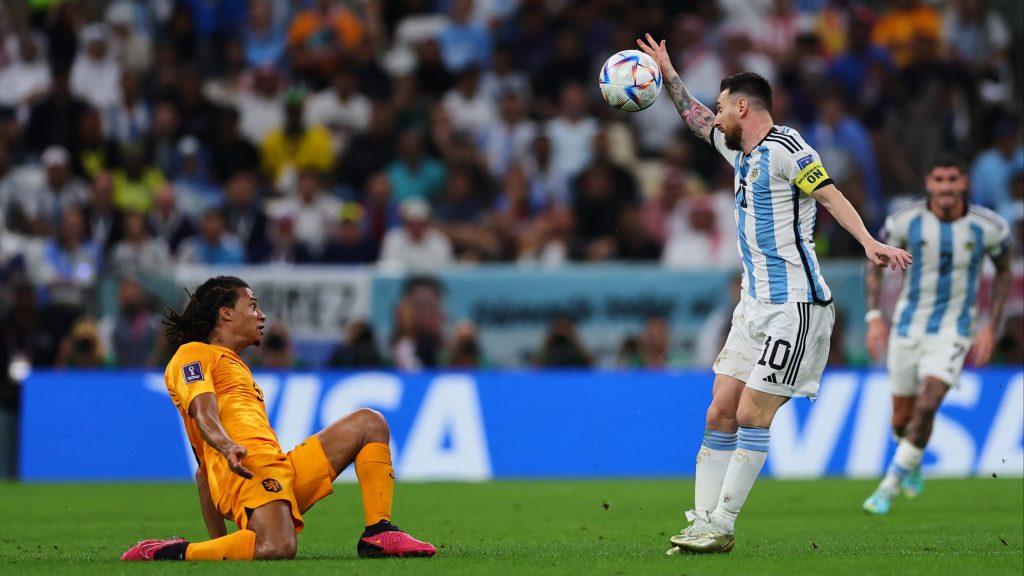
Another example occurred in Battle of Lusail. In a blatant display of intentional rule-breaking, Lionel Messi blatantly swatted the ball out of the air with his hand to intercept a pass from Dutch defender Nathan Aké.
Shockingly, Spanish referee Mateu Lahoz refused to issue a clear yellow card for this deliberate handball. For rival fans, seeing the world’s most famous player escape basic punishment for such an obvious infraction was absolute proof of an institutional bias protecting La Albiceleste.
Lionel Messi’s out-of-character post-match interview, where he insulted Dutch striker Wout Weghorst with the now-infamous phrase “¿Qué mirás, bobo?” (What are you looking at, fool?), further fueled the fire.
Emiliano Martínez carried a baby toy with Mbappé’s face on it during the victory parade in Argentina today! 😳🇦🇷 pic.twitter.com/hd6FmiaPb2
— EuroFoot (@eurofootcom) December 20, 2022
The aftermath of their World Cup final victory over France cemented this villainous reputation. Emiliano Martinez shocked the world by placing the Golden Glove trophy against his groin in a vulgar gesture on the podium.
Days later, during the open-top bus parade in Buenos Aires, Martinez was seen gleefully holding a baby doll with the face of French superstar Kylian Mbappe taped to it. These actions shattered the image of the “humble champion” and alienated millions of neutral observers who felt the team lacked basic class.
3. FIFA Conspiracy Theories
Nothing generates sporting hatred quite like the perception of systemic bias and favoritism. Argentina’s crowning achievement at the 2022 World Cup in Qatar was immediately overshadowed by a tsunami of conspiracy theories claiming the tournament was essentially “rigged” to ensure Lionel Messi achieved his fairytale ending.
The crux of this argument revolves around the staggering number of penalty kicks awarded to La Albiceleste. Argentina was granted a record-breaking five penalties in just seven matches. In the hyper-tribal world of modern football fandom, this statistic was weaponized.
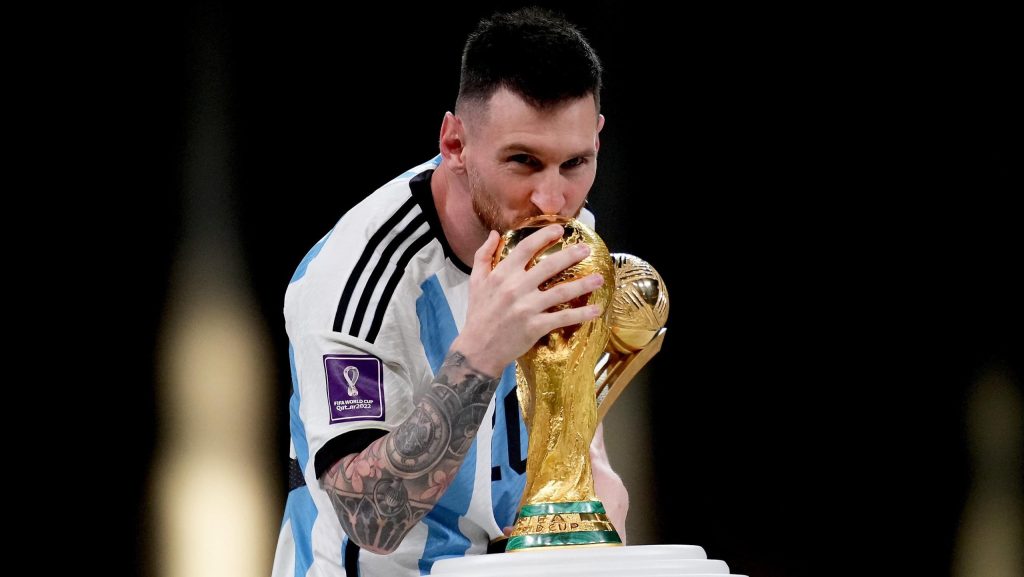
Rival fanbases – particularly the massive global following of Cristiano Ronaldo, as well as supporters of France and Portugal – flooded social media with accusations that FIFA and referees orchestrated a Messi victory for commercial and romantic marketing purposes.
Terms like “Pessi” and “Penalty to Argentina” trended worldwide for months. Even though independent refereeing analysts concluded that the vast majority of those penalty decisions were technically correct according to the rulebook, the truth hardly mattered.
In the court of public opinion, the sheer volume of favorable calls created an unshakable narrative of institutional corruption.
4. The Demographic Contrast
For years, international football fans have pointed out a unique visual reality when watching Argentina play: there are virtually no Black players on the squad.
Historically, one of the few Argentine players of notable diverse heritage to achieve global superstardom was Juan Sebastián Verón. For the most part, the national team has remained overwhelmingly composed of players of European descent.
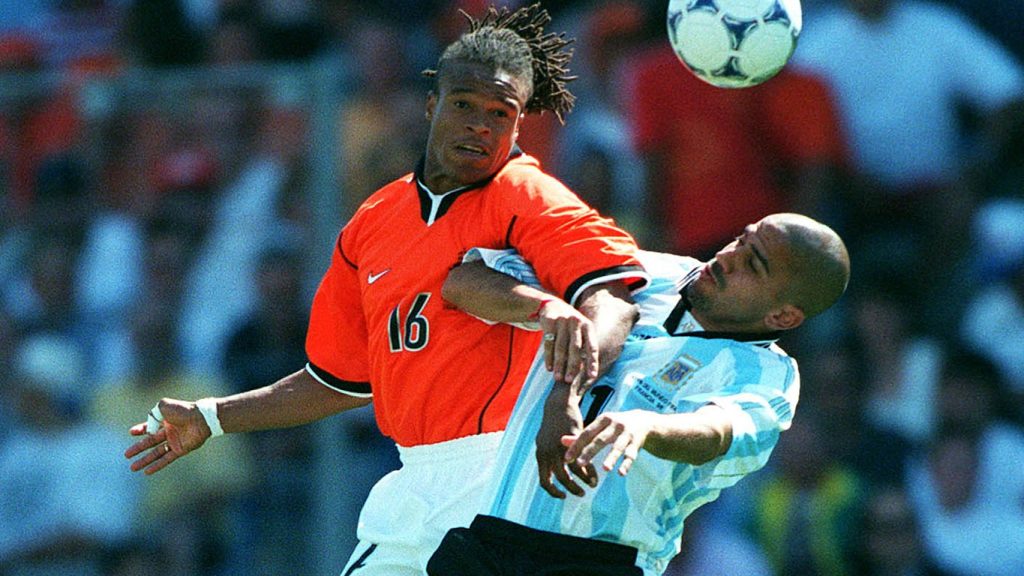
Anthropologically and historically, this is not inherently a football issue. It is widely explained by Argentina’s massive waves of European immigration in the 19th and 20th centuries, coupled with complex national demographics that differ vastly from neighboring Brazil or European nations like France and England, which have large, visible multicultural populations.
However, this demographic starkness leads to a sensitive, lingering question among international observers: Is this simply a reflection of the country’s unique history, or does it inadvertently create a cultural blind spot regarding modern diversity?
🇦🇷🗣️ Enzo Fernandez speaks out about the racist chants during the Copa América 2024 title celebration 🏆#beINSPORTS #ChelseaFC #Enzo #EnzoFernandez #Argentina #CopaAmerica2024 pic.twitter.com/CPIyBy9Q9m
— beIN SPORTS USA (@beINSPORTSUSA) July 17, 2024
This exact question exploded into a massive public relations disaster following their 2024 Copa America triumph. During the team’s celebration, midfielder Enzo Fernandez initiated a live stream capturing several teammates joyously singing a controversial chant. The lyrics explicitly mocked the African heritage and lineage of France’s black players, questioning their “Frenchness.”
Because the Argentine squad lacks the multicultural presence seen in other top teams, the chant was immediately perceived globally not just as a poor joke, but as a severe manifestation of a racially insensitive culture.
The global backlash was instantaneous. Chelsea teammates unfollowed Fernandez, the French Football Federation filed legal complaints, and the situation escalated diplomatically. This PR catastrophe confirmed the worst suspicions of Argentina’s harshest critics, transitioning the team’s image from “arrogant winners” to “culturally insensitive villains” in the eyes of the global press.
5. A Massive Roster of Historic Enemies
Finally, a fundamental reason why the Argentina national team faces such a high volume of global hatred is simply due to the sheer number of powerful enemies they have accumulated over a century of footballing history.
When a nation consistently clashes with countries that boast the largest and loudest fanbases in the world, they are bound to be widely despised.
- Brazil: This is the ultimate South American blood feud. The rivalry transcends football and touches upon regional supremacy. A Brazilian fan will inherently root against Argentina in every single match they play, and vice versa.
- England: The animosity here is fueled by genuine geopolitical trauma – the 1982 Falklands War (Guerra de las Malvinas). This real-world conflict spilled onto the pitch with Maradona’s “Hand of God” in 1986, Diego Simeone getting David Beckham sent off in 1998, and decades of bitter tabloid warfare.
- France: The newest great rivalry. After knocking Argentina out in 2018, losing to them in the dramatic 2022 Final, and the diplomatic fallout of the 2024 chants, the French footballing public holds an intense and furious grudge against the South Americans.
- Regional Foes: Neighboring countries like Chile and Uruguay also share long, violent footballing histories with Argentina, frequently resulting in brutal matches and toxic fan interactions.
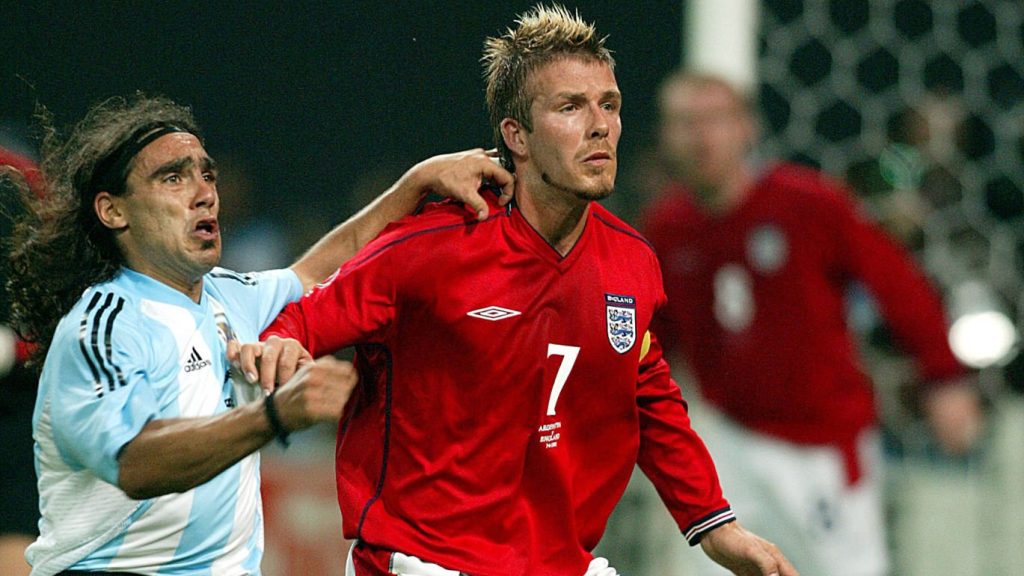
When you amalgamate the fanbases of Brazil, England, France, and the Netherlands, you are looking at hundreds of millions of football fans who are historically conditioned to root for Argentina’s downfall.
FAQ: Reasons Why the Argentina National Football Team is Hated Globally
Q: Who is currently the most hated Argentine player?
A: Without a doubt, goalkeeper Emiliano “Dibu” Martinez holds that title. His abrasive personality, constant time-wasting, psychological manipulation of penalty takers, and overtly vulgar celebrations have made him public enemy number one for neutral fans.
Enzo Fernandez closely follows him due to his role in broadcasting the controversial 2024 chant.
Q: Can FIFA strip Argentina of their World Cup or Copa America titles due to controversies?
A: No. According to the international statutes of FIFA and CONMEBOL, tournament victories are strictly determined by the sporting results achieved on the pitch.
While players or football associations can be heavily fined or suspended for off-pitch behavior, retroactively revoking a major international trophy is unprecedented in the modern era.
Q: Is the controversial “Picardía” style unique only to Argentina?
A: Not entirely. The concept of utilizing street smarts and bending the rules exists in various forms across South American football, prominently in countries like Uruguay (known for Garra Charrúa).
However, because Argentina has been incredibly successful on the global stage, their specific brand of football dark arts has been thrust into the international spotlight and scrutinized far more aggressively.
You have just read the article “5 Reasons Why the Argentina National Football Team is Hated Globally“. Follow 52Hz Football for more captivating stories, tactical analyses, and historical football deep-dives.
READ MORE:
Top 6 Clubs With the Most World Cup Winners: Where Are Real Madrid & Barcelona?
