
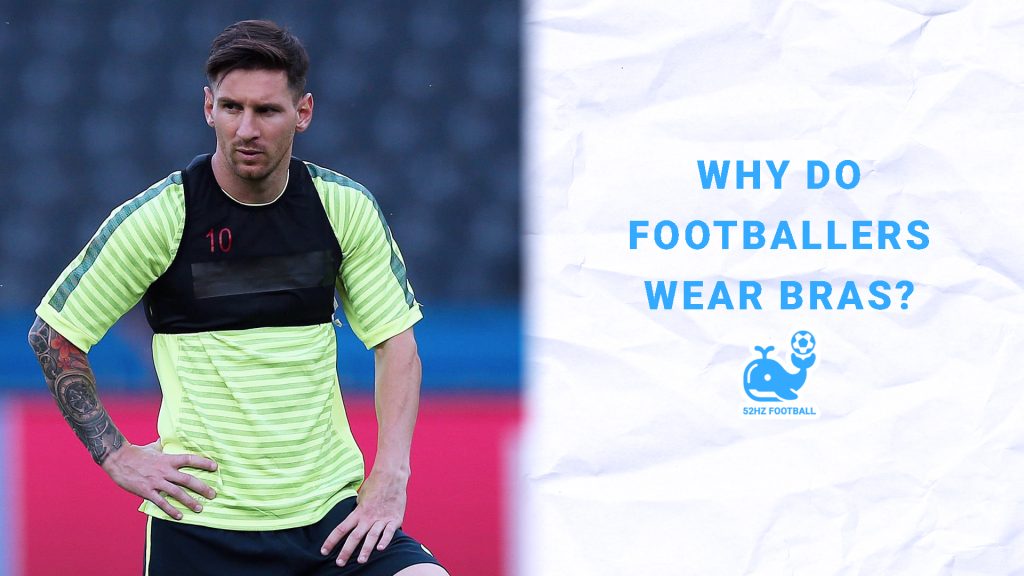
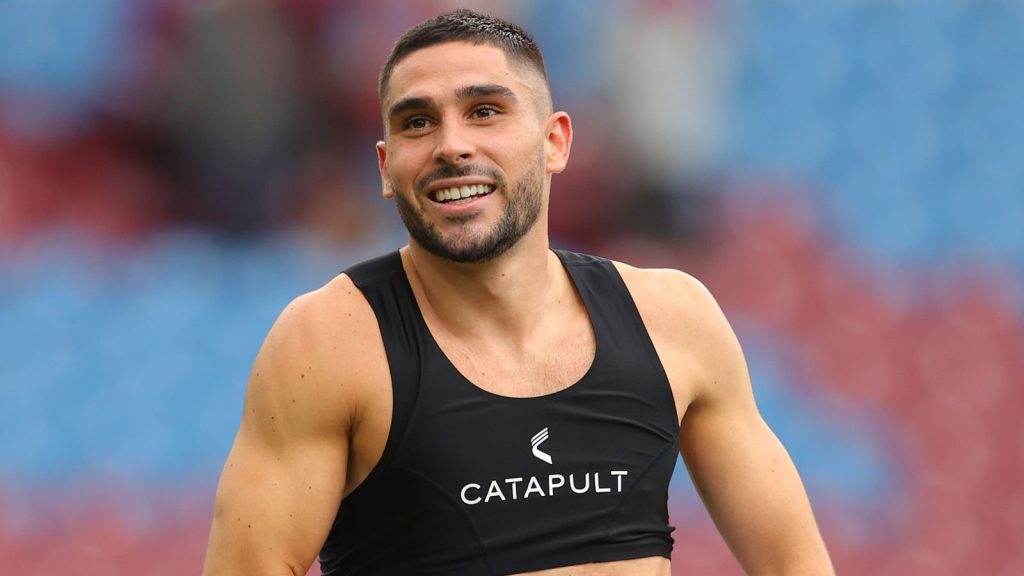
It is a familiar sight at the end of a match. A footballer removes his shirt and, underneath, appears to be wearing a tight black sports bra. The garment has prompted plenty of jokes, but its purpose is entirely practical.
So, why do footballers wear bras? The short answer is that they do not. What looks like a bra is a GPS performance vest designed to hold a small tracking device against the upper back. It provides coaches and sports scientists with information about how far, how fast and how intensely a player has worked.

The vest has become one of the most visible parts of football’s data revolution. Every sprint, acceleration and change of pace can now become part of the decision-making process behind training, recovery and a player’s return from injury.
1. What Is the “Bra” Footballers Wear?
The garment is normally called a GPS vest, performance vest or tracking vest. It forms part of an Electronic Performance and Tracking System, commonly shortened to EPTS.
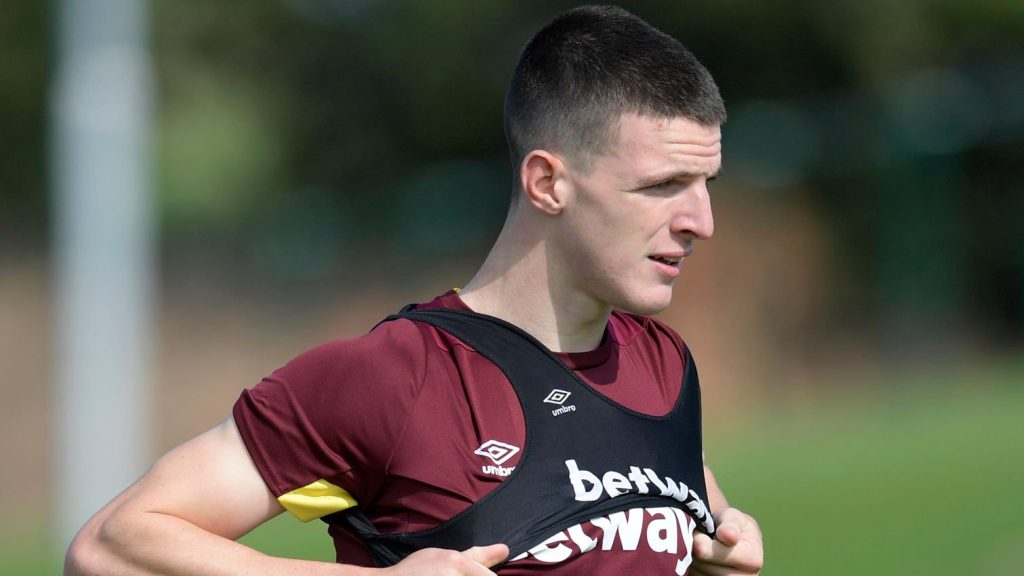
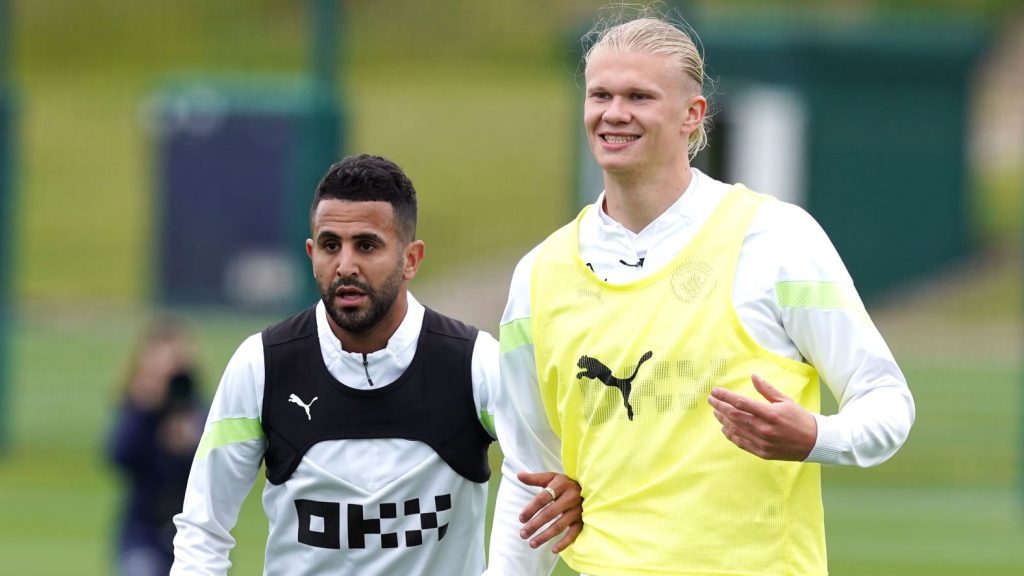
The vest contains a small pocket between the shoulder blades. A tracking pod is inserted into this pocket before training or a match. Depending on the system, the pod may combine satellite positioning with an accelerometer, gyroscope and other movement sensors.
The vest itself does not collect the information. Its main job is to keep the tracking pod in a stable position close to the body.
Its appearance explains the nickname. It is tight, sleeveless and usually ends around the middle of the chest, making it resemble a sports bra when worn without a shirt. In reality, the shape is intended to secure the device without restricting the player’s shoulders, arms or breathing.
2. Why Is the Tracker Positioned on the Upper Back?
The tracking pod normally sits between the shoulder blades because this is one of the most stable and practical positions on the body.
Placing it there helps reduce unnecessary movement of the device, improving the consistency of the data. It also keeps the pod away from areas more frequently involved in tackles, falls and contact with the ball.
@statsports Using GPS technology is one of the secrets to prolonging pro players’ careers. The ability to understand exactly what your body can sustain throughout the season means older players can recover quicker and reduce risk of injury 🤝 #cristianoronaldo #ronaldo #cr7 #gps #football #futbol #preseason #euro2024 #portugal #footballtiktok ♬ original sound – STATSports
A tracker worn on the wrist, waist or leg could move more freely, affect a player’s comfort or create a greater safety concern. The upper-back position allows the device to remain secure while the footballer runs, jumps, turns and challenges for possession.
That is also why the vest needs to fit tightly. If the pod bounced around inside a loose shirt, some of the movement readings would be less reliable.
3. What Does a Football GPS Vest Measure?
The precise metrics depend on the equipment used by the club, but football tracking systems commonly record:
- Total distance covered
- Maximum speed
- Sprint distance
- Number of sprints
- High-speed running
- Accelerations and decelerations
- Distance covered per minute
- Changes of direction
- Positional data and heat maps
- Overall physical workload
Some systems can also be paired with heart-rate monitors. However, the GPS pod itself does not necessarily measure heart rate, so it should not be assumed that every vest records the same physiological information. A breakdown published by STATSports, for example, separates movement, speed and cardio measurements available through its tracking system.

FIFA describes EPTS as a combination of wearable and camera-based technologies used to monitor player and team performance. These systems may combine positional tracking with accelerometers, gyroscopes and heart-rate devices to measure physical load and movement.
The amount of data can be enormous, but clubs are not interested in numbers for their own sake. The important part is how those figures are interpreted.
4. How Do Football Clubs Use GPS Vest Data?
4.1. Managing training loads
Footballers do not perform the same amount of work every day. A demanding session shortly after a match may be appropriate for a substitute who played ten minutes, but it could be excessive for someone who completed the full 90.
GPS data helps coaches estimate how much physical work each player has already performed. Training can then be adjusted instead of applying an identical programme to the entire squad.
Players who did not start a match are often put through additional running afterwards or in the following training session. The objective is to bring their workload closer to that of the starters and maintain their match fitness.

4.2. Comparing players with their normal levels
The numbers become more useful once a club has built a long-term profile for each footballer.
A central midfielder will not be judged against exactly the same physical demands as a goalkeeper or centre-forward. Even two players in the same position may have different running styles and fitness histories.
Instead, staff can compare a player with his own previous performances. A sudden reduction in high-speed running or an unusual workload may warrant further investigation, although it does not automatically mean the player is injured or unfit.
4.3. Planning recovery
The distance covered during a match tells only part of the story. Repeated sprints, sharp decelerations and rapid changes of direction can place considerable strain on the body even when the overall distance does not look exceptional.
Tracking those high-intensity actions helps the coaching and medical departments decide how much recovery a player may require before the next demanding session.
This is especially important during congested periods when clubs may play in the Premier League, domestic cups and European competition within the same week.
4.4. Supporting a return from injury
When a footballer returns to training, GPS data can be compared with figures recorded before the injury.
The club may look at whether the player has rebuilt his sprint volume, maximum speed and ability to repeat high-intensity efforts. A player might feel comfortable during light training but still be short of the physical demands expected in a competitive match.
The tracker therefore provides another piece of evidence for the medical and coaching staff. It does not make the final decision by itself.
4.5. Understanding positional demands
Tracking data can also show where a player spent time on the pitch and how his physical output changed during different phases of a match.
A full-back may be asked to make repeated high-speed runs down the wing, while a defensive midfielder could cover a similar total distance through shorter movements across the centre of the pitch. The numbers help clubs understand the demands of each role and design more relevant training sessions.
They may also support tactical analysis, although GPS data is generally used alongside match footage and optical tracking rather than as a replacement for them.
5. Why Do Footballers Wear GPS Vests During Matches?
Training data becomes much more useful when clubs have an accurate picture of what a real match demands.
If a player normally completes a certain amount of high-speed running during 90 minutes, coaches can use that figure as a reference when planning training or assessing his recovery. Without match data, it would be harder to determine whether a training session had prepared him for competitive intensity.
The system can also highlight differences between matches. One game may involve long periods of controlled possession, while another requires repeated recovery runs and counter-attacks. Both last 90 minutes, but the physical demands can be very different.
Tracking during matches therefore gives clubs a more complete record of each player’s workload across the season.
6. Do GPS Vests Prevent Injuries?
A GPS vest cannot predict with certainty that a footballer is about to suffer an injury, and wearing one does not physically protect the muscles or joints.
Its value lies in workload management. If the data shows that a player has experienced an unusually sharp increase in sprinting, acceleration or overall load, the club may reduce his next session or provide additional recovery.
Some systems calculate a broader workload measurement commonly described as “player load”. As explained in Catapult’s guide to PlayerLoad, this type of metric uses acceleration captured across several directions to estimate the physical effort produced during movement.
This information can help staff identify patterns associated with fatigue and overtraining. However, injuries are influenced by many factors, including contact, previous medical history, sleep, recovery, playing surface and simple bad luck.
It is therefore more accurate to say that GPS data can support efforts to reduce injury risk, rather than claiming that the vest prevents injuries.

7. Are Footballers Allowed to Wear Trackers in Official Matches?
Yes, provided the equipment meets the applicable safety requirements and is approved for use by the competition.
Under Law 4 of the Laws of the Game, wearable technology used as part of an EPTS must not be dangerous. Competition organisers are also responsible for ensuring that information transmitted to the technical area is reliable and accurate.
FIFA operates a quality programme for electronic performance and tracking systems. It was introduced to test whether wearable devices meet minimum safety requirements and later expanded to assess the performance of both wearable and optical systems.
The vest is therefore not simply a piece of training clothing that clubs can use without restriction. Equipment worn during official competition must comply with the relevant rules.
8. Do All Footballers Wear GPS Vests?
Tracking systems are widespread in professional football, but that does not mean every player wears one in every match.
Usage depends on the club, competition, available technology and the type of information the coaching staff wants to collect. Some teams rely heavily on wearable trackers, while others combine them with camera-based systems installed around the stadium.
GPS vests are also used in academies, semi-professional football and amateur training. Consumer versions have made the technology more accessible, although collecting data is much easier than interpreting it correctly.
For a professional club, the value comes from having qualified staff, years of historical information and a clear understanding of what each metric means for the individual player.
9. Are They the Same as Women’s Sports Bras?
No. The term “football bra” is an informal description based only on how the tracker vest looks.
Female footballers may wear a normal sports bra for support as well as a separate GPS garment, or use specially designed equipment that accommodates both requirements. The tracking technology serves the same performance-monitoring purpose for male and female players.
10. Frequently Asked Questions
Q: What is the device on a footballer’s back?
A: It is a small performance-tracking pod secured inside a fitted vest between the shoulder blades. It can record positional and movement data such as speed, distance, accelerations and sprint efforts.
Q: Why are football GPS vests so tight?
A: A tight fit keeps the tracking pod stable and close to the body. This improves comfort and helps prevent additional movement from interfering with the data.
Q: Do football GPS vests track heart rate?
A: Some systems can record heart-rate information when connected to a compatible monitor. However, not every GPS pod or vest measures heart rate on its own.
Q: Can players wear GPS trackers during Premier League matches?
A: Approved tracking systems can be used during official matches when they comply with the competition’s rules and safety standards. The equipment must not pose a danger to the player or anyone else.
Q: Can amateur footballers buy GPS vests?
A: Yes. Consumer GPS trackers are available for individual players and amateur teams. They can provide useful information, but the numbers need to be interpreted in context rather than treated as a complete assessment of fitness.
Sources and Further Reading
- FIFA: Electronic Performance and Tracking Systems
- The IFAB: Law 4 – The Players’ Equipment
- STATSports: What Metrics Does the Tracker Measure?
- Catapult: Understanding Player Load
You have just read “Why Do Footballers Wear Bras? The GPS Vest Explained”. Follow 52Hz Football for more stories about Premier League players, transfers and club connections.
