
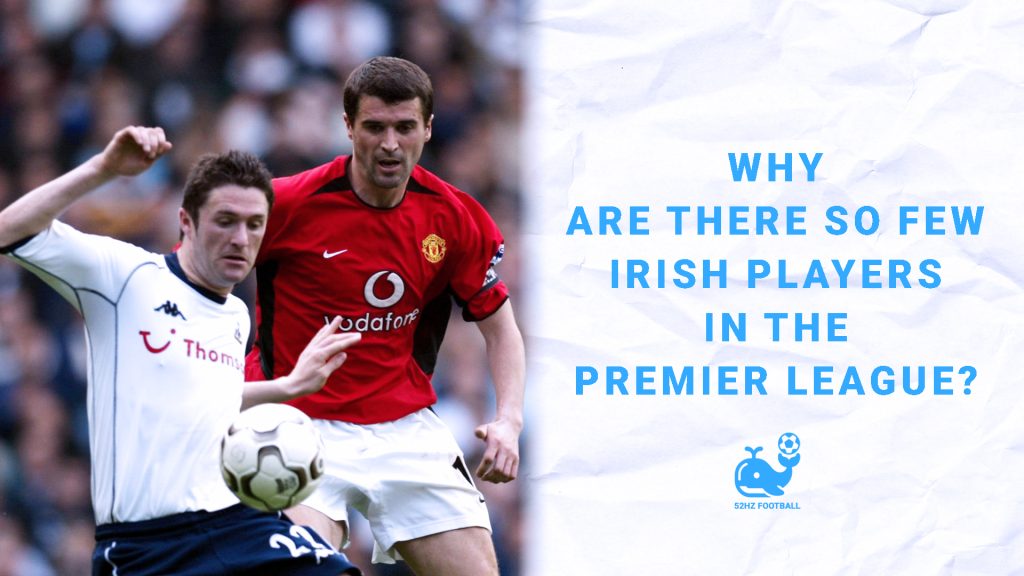
Why are Irish Players in the Premier League Fading? Explore the impact of Brexit, academy failures, and globalization on Ireland’s talent pipeline.
If you grew up watching English football in the 1990s or early 2000s, you found that any team with serious ambitions of winning silverware needed warriors from the Emerald Isle. During that golden era, Irish players in the Premier League were the absolute backbone of the division.
Roy Keane terrified opponents while wearing the captain’s armband for Manchester United. Denis Irwin provided flawless consistency on the flank. Robbie Keane celebrated with his trademark cartwheel at Tottenham Hotspur. Paul McGrath achieved god-like status at Aston Villa. These individuals were generational icons who defined the quality of the league.
Today, the landscape looks drastically different. Look across the squads of the traditional “Big Six”, and the presence of elite Republic of Ireland footballers has diminished to an alarming scarcity.
The root cause lies in a catastrophic structural failure, shifting geopolitical rules, and the rapid tactical evolution of the modern game.
1. The Impact of Brexit Rules
The most immediate and destructive blow to the pipeline of Irish players in the Premier League over the past years has been the geopolitical fallout of Brexit.
Historically, the development route for an Irish prodigy was incredibly straightforward. English heavyweights like Arsenal, Manchester United, and Liverpool would aggressively scout Dublin-based schoolboy clubs like St Kevin’s Boys or Cherry Orchard.
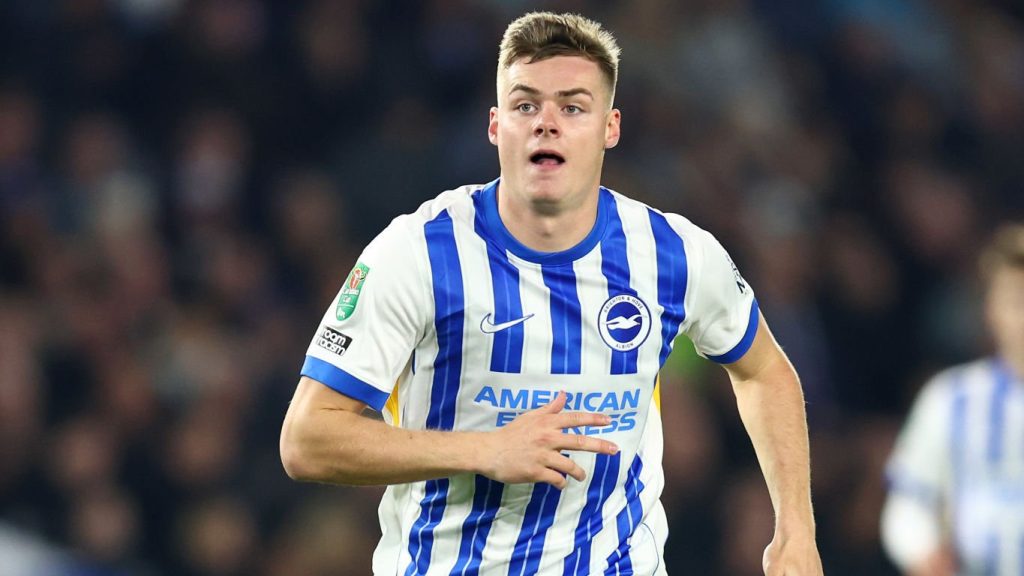
The brightest rough diamonds were ferried across the Irish Sea at exactly 16 years of age. They spent their most crucial developmental years embedded within world-class, fully-funded English academy systems, benefiting from elite coaching, sports science, and nutrition.
The UK’s departure from the European Union severed this pipeline entirely. Under revised FIFA transfer regulations, British clubs are strictly prohibited from signing overseas players under the age of 18, including those from the Republic of Ireland.
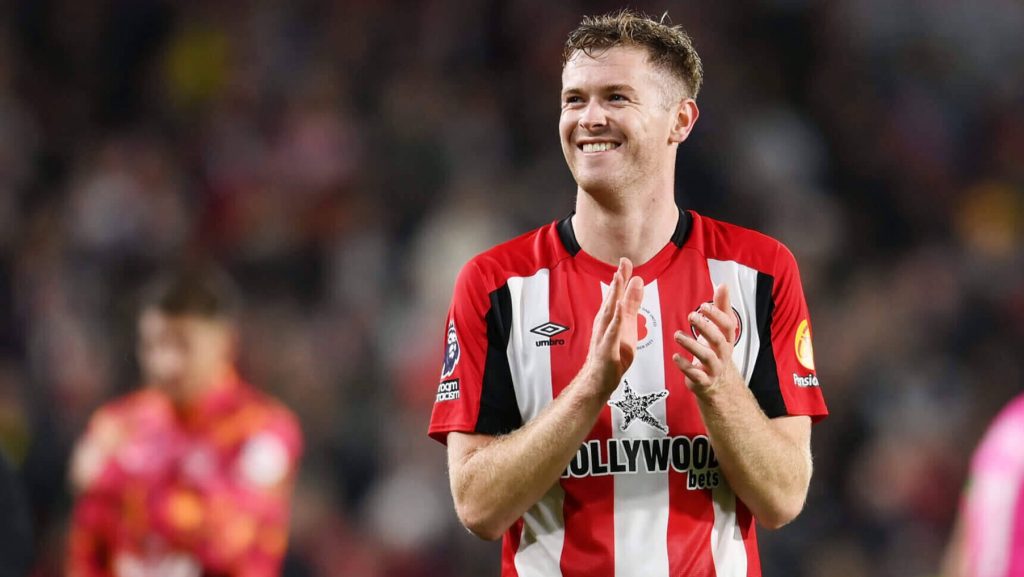
Nathan Collins (Brentford) represents the final line of defense for a nation struggling to keep its footballing legacy alive at the Premier League.
Consequently, gifted 16-year-old Irish boys are now forced to remain in their domestic system for two highly critical, formative years. By the time they turn 18 and become eligible for a move to England, they have often fallen significantly behind their English and European counterparts. This two-year developmental blackout has proven devastating for a whole generation of prospects.
2. The Chronic Failure of the Domestic System (FAI)
Keeping young players at home until they are 18 would pose absolutely no problem if the domestic footballing infrastructure was robust enough to nurture them. Tragically, the Football Association of Ireland (FAI) has endured over a decade of severe financial crises and boardroom mismanagement.
The domestic League of Ireland remains criminally underfunded. The vast majority of domestic clubs operate on shoestring budgets and simply lack the financial firepower to sustain full-time, professional youth academies.
Coaching staff at the grassroots level are often brilliant but operate part-time, starved of the data analytics, elite facilities, and sports science departments that have become standard in modern football.
For decades, Irish football relied completely on the English academy system to develop its national team players. When the Brexit regulations violently shut that door, the fatal flaw of the FAI’s reliance on their neighbors was exposed to the world.
They had built no domestic safety net, leaving their brightest young talents stranded in an under-resourced environment.
3. The Globalization of the Premier League
The modern Premier League operates in a completely different financial stratosphere compared to 20 years ago. It has morphed into a ruthless, ultra-wealthy global super-league.
With astronomical broadcasting revenue flooding the division, a mid-table English club possesses the financial muscle to dispatch scouting networks to every corner of the globe. If a club like Brighton, Brentford, or Chelsea needs a dynamic young winger or a ball-playing centre-half, they will happily drop £20 million on a heavily scouted wonderkid from Brazil, Ecuador, France, or Portugal.
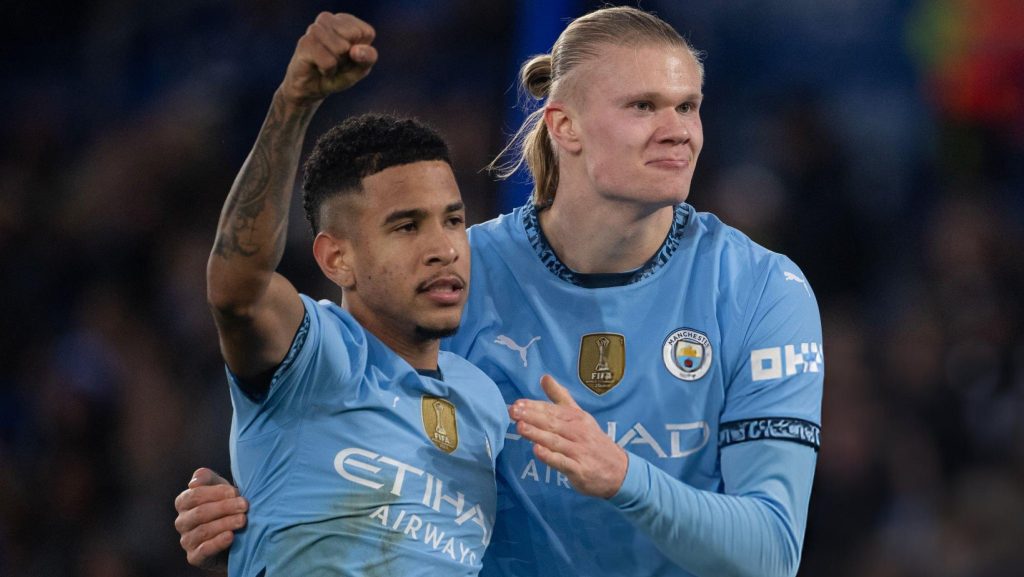
Savinho is an example of the new breed of global talent ruthlessly claiming the territory where Irish legends once reigned supreme.
An 18-year-old talent emerging from the League of Ireland now faces an impossibly steep mountain. They are no longer just competing against local English lads for a roster spot; they are competing against the absolute pinnacle of teenage talent curated from the entire planet.
The financial globalization of English football has simply squeezed the traditional Irish prospect out of the market.
4. The Tactical Evolution and the Fading “Warrior DNA”
Football has undergone a radical tactical revolution over the last decade. Historically, English football deeply valued the specific traits associated with the classic Irish player: phenomenal stamina, unwavering bravery, aggressive tackling, and a fiery leadership style. Managers actively sought out “warriors” who would leave everything on the pitch.
Under the modern tactical empires built by Pep Guardiola, Mikel Arteta, and Jurgen Klopp, the fundamental requirements of a footballer have shifted dramatically. They need deep-lying midfielders who can dictate tempo with both feet, centre-backs who can break lines with disguised passes, and goalkeepers who operate as auxiliary sweepers.
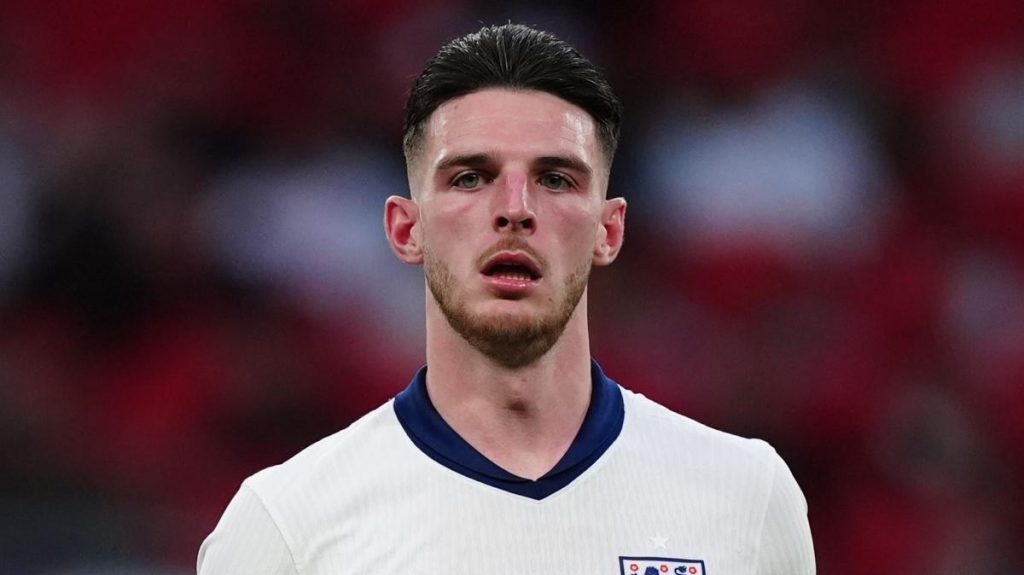
The decline is even more bitter as stars like Declan Rice and Jack Grealish chose England over their Irish roots, leaving Ireland’s legacy in the shadows.
The traditional coaching methodology at the grassroots level in Ireland has historically prioritized physical dominance, hard running, and winning individual duels. This slightly archaic approach has left many young Republic of Ireland footballers tactically mismatched when stepping into the Premier League.
The Future of the Emerald Isle
Despite the bleak overarching narrative, glimmers of immense hope remain. Striker Evan Ferguson at Brighton possesses the raw attributes to become a genuinely elite centre-forward. Caoimhín Kelleher consistently produces world-class performances, while Nathan Collins has established himself as a dominant defensive force at Brentford. We are also seeing players like Jake O’Brien and Festy Ebosele carve out unique paths.
Crucially, the next generation of Irish talent is finally adapting. Instead of staring exclusively across the Irish Sea, young prospects are increasingly venturing into mainland Europe. Developing in the technical leagues of Italy, France, and Belgium before making a triumphant return to England might become the new blueprint for success.
The road ahead is remarkably steep. Unless the FAI radically overhauls its domestic infrastructure to bridge the gap caused by Brexit, seeing an Irish captain lift the Premier League trophy like Roy Keane once did may remain a nostalgic memory of a bygone era.
Frequently Asked Questions (FAQ)
1. Who is considered the greatest Irish player in Premier League history?
Roy Keane is widely universally recognized as the greatest. As the ultimate midfield general and captain of Manchester United, he secured seven Premier League titles and drove the club to the historic 1999 Treble, cementing his legacy among the ultimate Irish football legends.
2. Which Premier League club historically featured the most Irish players?
Manchester United and Aston Villa have incredibly rich histories of fielding top-tier Irish talent. Additionally, Sunderland, during periods managed by Roy Keane and Mick McCarthy, frequently operated with a heavy core of Republic of Ireland footballers.
3. Are there any elite Irish players currently in the “Big Six” squads?
They are practically non-existent today. Even Caoimhín Kelleher, who was widely regarded as the best backup goalkeeper in the world during his time at Liverpool, had to leave the “Big Six” ecosystem.
He transferred to Brentford in 2025 to finally secure a starting role, highlighting exactly how difficult it has become for Republic of Ireland footballers to lock down positions at England’s wealthiest clubs.
4. How exactly did Brexit change the rules for Irish youth players? D
Due to the Brexit impact on Irish football, UK clubs are banned by FIFA regulations from signing players from European Union countries (like the Republic of Ireland) until they turn 18. Previously, they could sign these talents at age 16.
You have just read the article “Brexit Killed the Era? Why Are There So Few Irish Players in the Premier League?”. Follow 52Hz Football for more captivating stories about football, geography and culture.
READ MORE:
- All Man United and Aston Villa Players: From Yorke to Sancho, Rashford
- Arteta, Flops & Heroes: 11 Arsenal and Everton Players
- All Man United and Aston Villa Players: From Yorke to Sancho, Rashford
- Uncovering the Truth: Why Do Welsh Clubs Play in England?
