Have Man United and Liverpool sold players to each other? Uncover the bitter history, the Gabriel Heinze saga, and the only 12 men to ever cross the fierce divide.
The rivalry between Manchester United and Liverpool is arguably the fiercest in English football. Known as the North West Derby, this fixture transcends mere sporting competition; it is a battle of industrial heritage, city pride, and a relentless race to be recognized as England’s most successful football club.
Because of this intense hostility, the idea of a player wearing both the famous red shirt of Liverpool and the red devil of Manchester United is viewed as the ultimate taboo.
So, exactly how many players have actually crossed this bitter divide? In the entire 130-plus-year history of both clubs, only 12 players have played for the first teams of both Manchester United and Liverpool.
1. The Modern Era Stars Who Crossed the Divide
In the modern Premier League era, seeing a player feature for both clubs is incredibly rare. Only two footballers have achieved this, and crucially, neither of them was a direct transfer between the two clubs. Both used “stepping stone” clubs before making the controversial leap.
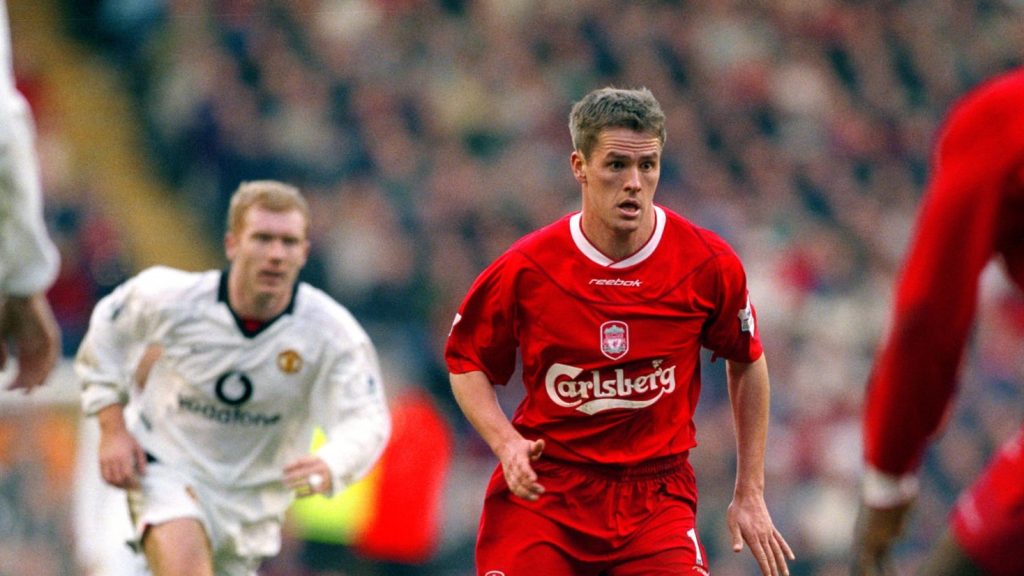
👉 Michael Owen
-
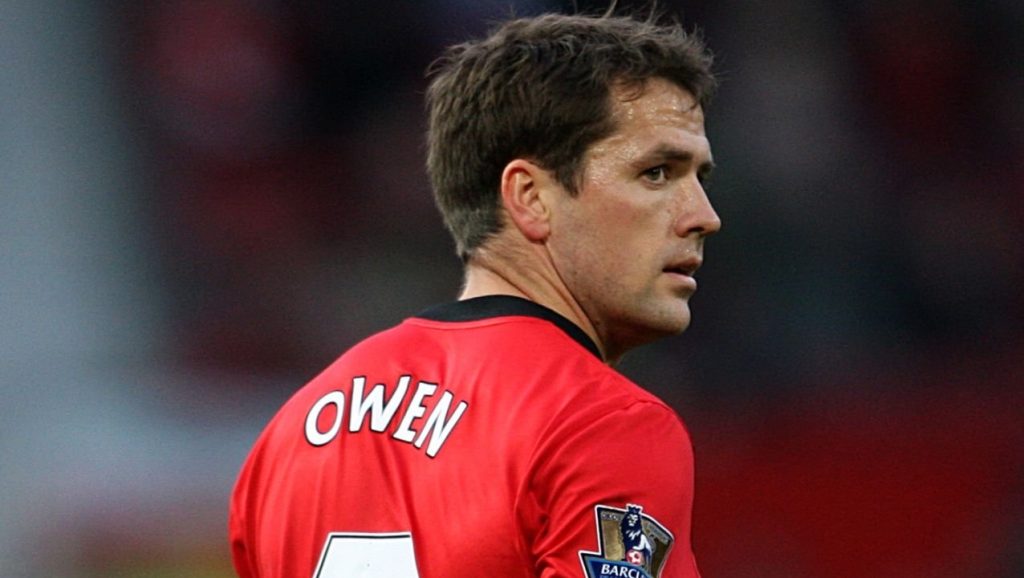
Liverpool: 1996-2003 (Apps: 264 | Goals: 136 | Assists: 32) | Manchester United: 2009-2011 (Apps: 40 | Goals: 9 | Assists: 0)
Michael Owen is perhaps the most heavily scrutinized player to cross this bitter divide.
Bursting onto the scene as a teenage prodigy, he became a bona fide Liverpool legend during his primary stint. He terrorized defenses across Europe, won the Ballon d’Or in 2001, and was worshipped by the Anfield faithful as their ultimate homegrown hero.
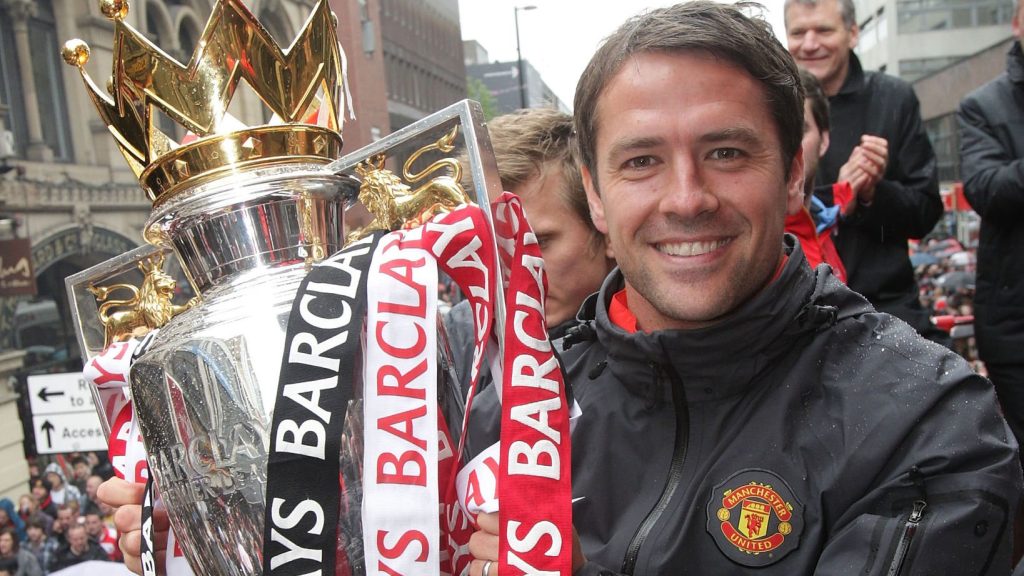
However, after spells at Real Madrid and Newcastle, Owen committed the ultimate taboo by joining Sir Alex Ferguson’s Manchester United on a free transfer. His twilight years at Old Trafford were heavily disrupted by persistent injuries, drastically restricting his time on the pitch.
Despite his reduced role, his infamous 96th-minute winner in the Manchester Derby and his eventual Premier League winner’s medal secured a highly complicated and controversial legacy on both ends of the East Lancs Road.
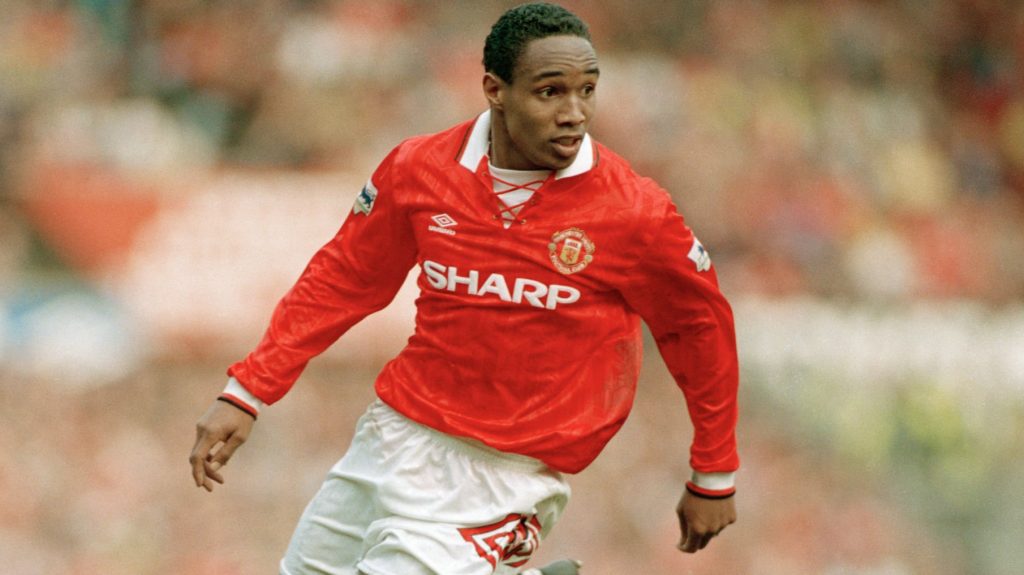
👉 Paul Ince
-
Manchester United: 1992-1994 (Apps: 126 | Goals: 19 | Assists: 13) | Liverpool: 1997-1998 (Apps: 72 | Goals: 15 | Assists: 10)
Known affectionately as “The Guv’nor”, Paul Ince was a relibale player of the midfield for both of England’s most successful clubs. During his prime Premier League years at Manchester United, Ince was an absolute powerhouse. He commanded the pitch, dictated the tempo, and provided crucial attacking contributions to help establish domestic dominance in the early 90s.
After a surprise departure to Inter Milan, Ince sent shockwaves through English football by returning to join Liverpool. During his Anfield tenure, he remained a formidable force in the center of the park.
Interestingly, the family’s ties to Merseyside deepened years later when his son, Tom Ince, came through the Liverpool youth academy to make his professional debut for the Reds.
For Paul, however, his defining and most controversial moment arrived when he scored a late equalizer for Liverpool against United, celebrating wildly in front of the Kop – a passionate display that forever cemented his polarizing status among both fanbases.
2. Why Don’t Liverpool and Man Utd Buy from Each Other?
Fans often wonder why direct transfers between bitter rivals happen so frequently across Europe, but never between Manchester United and Liverpool.
In Italy’s Serie A, financial pragmatism often outweighs historical rivalry; giants like Juventus, AC Milan, and Inter Milan routinely trade superstars (think Andrea Pirlo, Clarence Seedorf, or Roberto Baggio). In the German Bundesliga, Bayern Munich frequently acquires top talent directly from their fiercest challengers, Borussia Dortmund (such as Robert Lewandowski and Mario Götze).
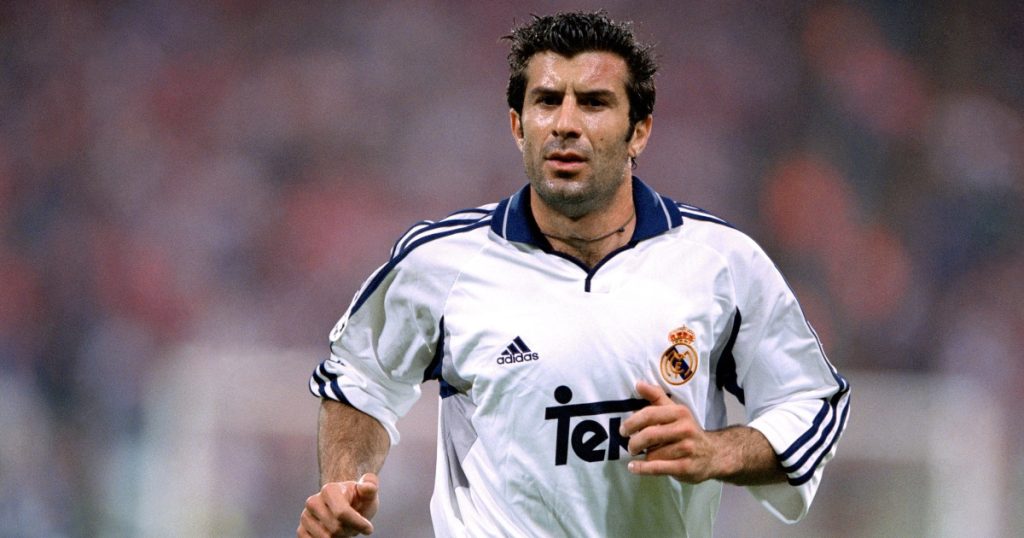
Even in Spain’s La Liga, mandatory employment release clauses mean a club can be legally forced to sell to a rival, famously allowing Real Madrid to poach Luis Figo from Barcelona.
So why is the North West Derby completely immune to this European transfer trend? The answer lies in a mix of contract law, economic history, and dressing room culture.
👉Absolute Executive Power
The biggest difference between English football and the rest of Europe lies in contract control.
For instance, in Spain, employment law dictates that every player must have a mandatory release clause (buy-out clause). If a rival club pays that exact fee, the selling club is legally powerless to stop the transfer.
However, in the English Premier League, there is no legal requirement for mandatory buy-out clauses. English clubs hold absolute executive authority over where their players are sold. They resist selling to direct domestic rivals, which is typically a strategic decision rather than a legally enforced clause.
When it comes to Manchester United and Liverpool, there is rarely a literal binding “anti-rival clause” written into a player’s contract. Instead, both clubs operate on a unspoken internal policy. If a player wants to leave, the club will refuse to open negotiations with their arch-rival, or they will demand an unrealistic transfer fee to instantly kill the deal.
👉 Deep-Rooted Economic Hatred
Unlike rivalries based purely on geography or recent success, the North West Derby is fueled by a bitter 19th-century economic conflict.
During the Industrial Revolution, landlocked Manchester relied entirely on Liverpool’s docks for global trade. Recognizing their monopoly, Liverpool imposed crippling port tariffs that suffocated Manchester’s businesses.
In a bold rebellion, Manchester merchants built the Manchester Ship Canal in 1894, allowing ocean-faring ships to bypass Liverpool entirely. While Manchester’s economy boomed, the canal devastated Liverpool, costing thousands of dockworkers their livelihoods and sparking a deep, generational working-class resentment. (Tellingly, Manchester United’s crest features a ship symbolizing this very canal).
Because both football clubs were born from these communities, the hostility transcends sport. For a player to initiate a direct transfer across this divide is perceived as a treasonous insult to the city’s economic heritage, explaining why boardroom negotiations between the two remain permanently frozen.
👉 The “Local Lads” Enforcers
More than any other clubs in England, the dressing rooms of Liverpool and Manchester United have traditionally been policed by “local lads” – academy graduates born and raised in the city, like Steven Gerrard, Jamie Carragher, Gary Neville, and Paul Scholes.
These players grew up breathing the rivalry. They act as cultural enforcers, ensuring that foreign imports quickly understand that crossing the divide is the one unbreakable rule.
3. The Gabriel Heinze Saga
This informal boardroom policy was put to the ultimate test in 2007 during the infamous Gabriel Heinze saga.
The Argentine defender was initially a massive fan favorite at Old Trafford, even winning the prestigious Sir Matt Busby Player of the Year award in his debut season.
However, after falling down the pecking order, he desperately wanted to leave. Liverpool submitted a £6.8 million bid, matching a specific figure mentioned in a letter United had given to his agent. Determined to force the controversial move, Heinze hired lawyers and took the matter to a Premier League tribunal.
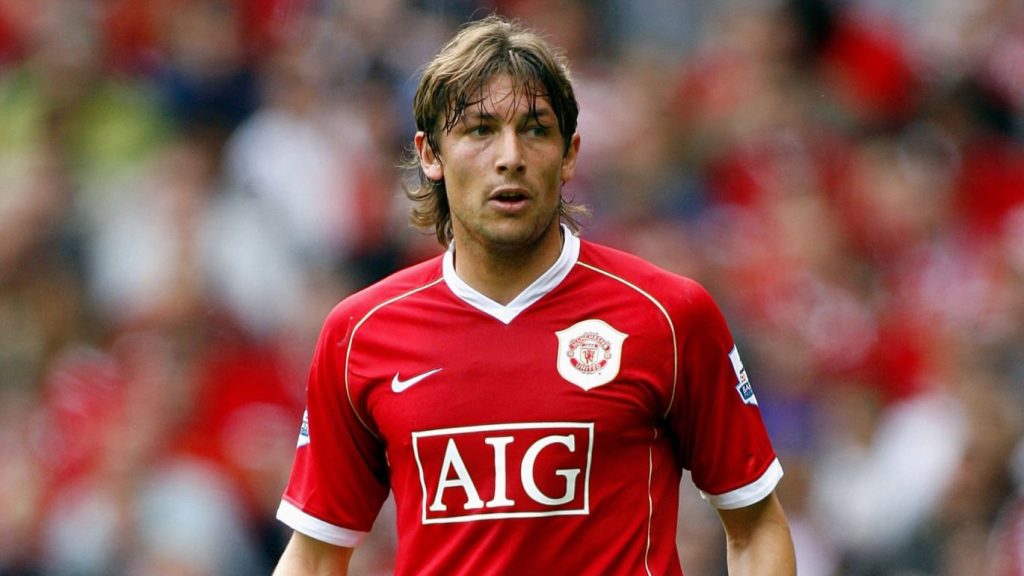
United successfully argued the letter was merely a guideline, not a legally binding release clause. The board and Sir Alex Ferguson outright refused to sanction a direct transfer to Anfield. The tribunal backed United, and Heinze was abruptly shipped off to Real Madrid instead.
Interestingly, his career path recently brought him back to another major English rival. In 2025, Heinze returned to the Premier League to join Arsenal’s coaching staff as an assistant under Mikel Arteta, adding yet another fascinating chapter to his highly complicated relationship with English football.
3. The Last Direct Transfer: Phil Chisnall (1964)
If you are looking for the ultimate football pub quiz answer regarding this fierce rivalry, remember the name Phil Chisnall – the absolute last player to complete a direct transfer between Manchester United and Liverpool.
In April 1964, legendary Liverpool manager Bill Shankly approached Matt Busby’s Manchester United and paid a transfer fee of £25,000 to sign the young forward. At the time, while a regional rivalry certainly existed, the ultra-toxic animosity had not yet fully materialized. Chisnall made the move hoping for more first-team action, though he ultimately only managed a handful of appearances for the Merseyside club.
Since that historic transaction over six decades ago, the boardroom doors between Old Trafford and Anfield have remained firmly locked. No player has moved directly between the two clubs since, turning Chisnall into an enduring symbol of a bygone era before the unspoken “no-sell” policy became an ironclad rule.
4. The Complete List of All 12 Players
Here is the list of the 12 players who have played senior competitive football for both clubs:
-
Tom Chorlton (Liverpool 1904-12, Man Utd 1912-14)
-
Jackie Sheldon (Man Utd 1910-13, Liverpool 1913-21)
-
Tom Miller (Liverpool 1912-20, Man Utd 1920-21)
-
Fred Hopkin (Man Utd 1919-21, Liverpool 1921-31)
-
Tommy Reid (Liverpool 1926-29, Man Utd 1929-33)
-
Ted Savage (Liverpool 1931-37, Man Utd 1937-38)
-
Allenby Chilton (Liverpool 1938, Man Utd 1938-55)
-
Thomas McNulty (Man Utd 1949-54, Liverpool 1954-58)
-
Phil Chisnall (Man Utd 1959-64, Liverpool 1964-67)
-
Peter Beardsley (Man Utd 1982-83, Liverpool 1987-91) (*)
-
Paul Ince (Man Utd 1989-95, Liverpool 1997-99)
-
Michael Owen (Liverpool 1996-2004, Man Utd 2009-12)
(*) Peter Beardsley only made one single League Cup appearance for Manchester United before moving to Canada, Newcastle, and eventually becoming a bona fide legend at Liverpool.
5. Sir Matt Busby’s Anfield Roots
While fans obsess over players crossing the modern divide, they often forget the ultimate irony of the North West Derby: the man who built Manchester United into a global superpower actually played for Liverpool.
Long before becoming a managerial icon at Old Trafford, Sir Matt Busby was a commanding half-back. He signed for Liverpool in 1936, making over 110 appearances and even briefly captaining the Anfield side before the outbreak of the Second World War curtailed his playing career.
Following the war, Busby took the managerial reins at Manchester United in 1945. He completely rebuilt the bomb-damaged club, creating the legendary “Busby Babes” and securing their first European Cup.
The fact that United’s most revered historical patriarch spent his prime playing years wearing the red shirt of Liverpool remains one of the most fascinating, yet rarely discussed, paradoxes of this fierce rivalry.
Frequently Asked Questions (FAQs)
Q: Has any player won the Premier League with both Manchester United and Liverpool?
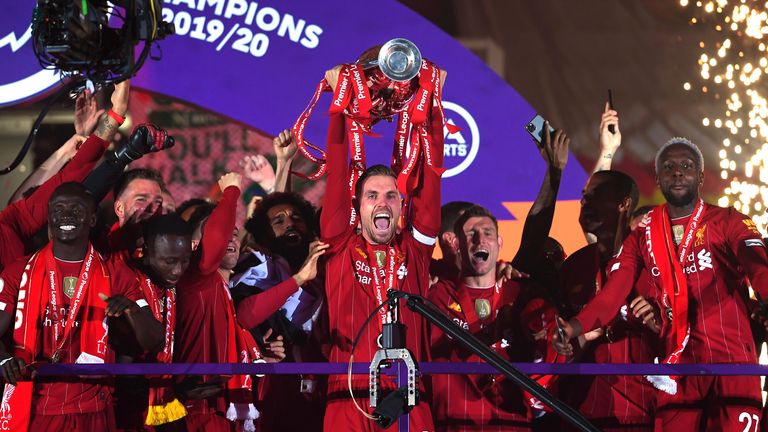
A: No player has ever won the Premier League with both clubs. Liverpool’s first and only Premier League title came in 2020, long after the era of players like Paul Ince and Michael Owen.
Q: Can a player have a release clause specifically for a rival club?
A: In English football, contracts are highly customized. Selling clubs often insert “anti-rival” clauses that specifically state a release clause cannot be triggered by direct domestic competitors (like Liverpool, Manchester City, or Arsenal). This protects the club from forced direct transfers.
Q: Who was the last player to play for both clubs?
A: Michael Owen is the most recent player to have represented both teams, leaving Manchester United in 2012 at the end of his contract.
You have just read the article “How Many Players Played for Both Man United and Liverpool? Why Man Utd and Liverpool Never Swap Players?”. Follow 52Hz Football for more captivating stories about football, geography and culture.
READ MORE:
- 7 Most Profitable Sales in Man United History: The Garnacho Surprise
- 8 Players Who Played For Both Liverpool and Everton In The Premier League Era
- 11 Players Who Played for Both Man United and Chelsea: Remember the controversial #4?
- Which Firms Audit Premier League Clubs? Why Man City Doesn’t Use Big Four Auditors?
- Why Don’t Premier League Stars Play for the U21s to Recover from Injury Anymore?
