
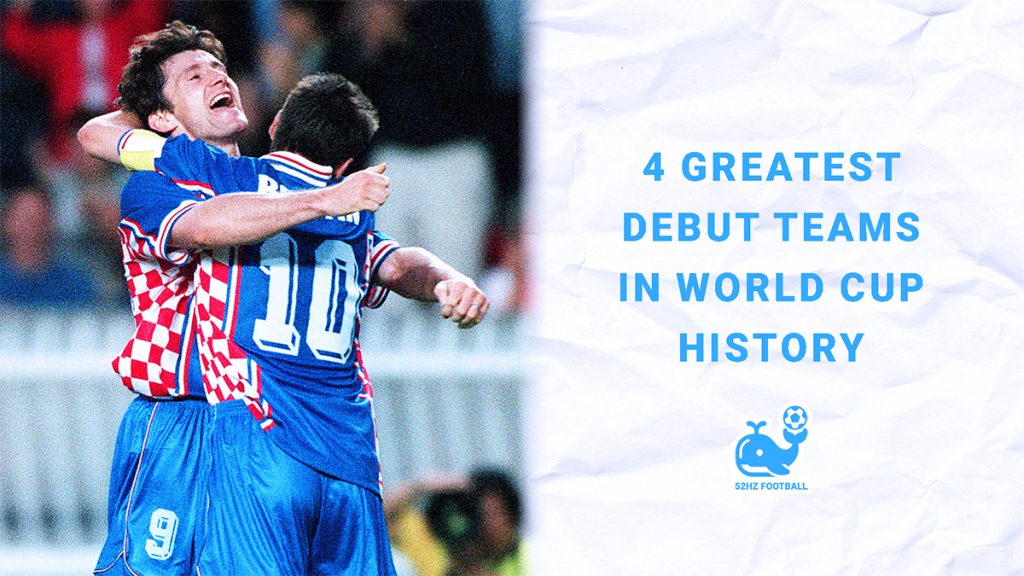
From Portugal’s 1966 heroes to Senegal’s stunning 2002 upset, discover the greatest debut teams in World Cup history that defied the odds and shocked the globe on their very first try.
The FIFA World Cup is the ultimate baptism of fire. For a national team stepping onto the sport’s grandest stage for the very first time, the pressure is often paralyzing.
Most debutants are expected to simply make up the numbers, absorb the atmosphere, and perhaps secure a dignified exit in the group stages.
However, football is a game written in defiance of logic.
Throughout the history of the tournament, a select few nations have arrived as total novices and left as immortal legends, tearing through established powerhouses and redefining the global footballing landscape.
Here is a deep dive into the greatest debut teams in World Cup history.
1. Portugal (1966)
- Debut Final Position: 3rd Place
Before 1966, the Portuguese national team had never managed to qualify for a World Cup. When they finally arrived in England, they brought with them a golden generation dominated by Benfica players, and they absolutely took the tournament by storm.
Portugal announced their arrival by dismantling a Brazilian side featuring Pelé with a stunning 3-1 victory in the group stage. However, their defining moment came in the Quarter-Final against fellow surprise package North Korea.
Trailing 3-0 after just 25 minutes, Portugal looked doomed. What followed was one of the greatest comebacks in history, as they stormed back to win 5-3. They eventually lost to hosts and eventual champions England in the Semi-Final but secured 3rd place by beating the Soviet Union.
The undisputed hero was Eusébio. “The Black Panther” was unplayable, finishing as the tournament’s Golden Boot winner with 9 goals (including four in that miraculous comeback against North Korea). He was perfectly supported by midfield maestro Mário Coluna, who dictated the tempo of their attacking play.
What Happened Next:
Reaching the pinnacle on their first attempt proved to be a tough act to follow. Remarkably, after finishing 3rd in 1966, Portugal failed to qualify for the next four World Cups, wandering in the footballing wilderness until 1986.
It wasn’t until the early 2000s that they became consistent qualifiers, eventually relying on legends like Luís Figo and Cristiano Ronaldo to maintain their elite status as tournament heavyweights.
2. Croatia (1998)
- Debut Final Position: 3rd Place
Following the breakup of Yugoslavia, Croatia became an independent nation in 1991. Just seven years later, draped in their instantly iconic red-and-white checkered shirts, they arrived in France for their first-ever World Cup.
Croatia comfortably navigated a group containing Argentina, Japan, and Jamaica. In the Round of 16, they edged past Romania. Then came the Quarter-Final against reigning European Champions Germany.
In a performance that sent shockwaves around the globe, the Croatian debutants humiliated the German machine 3-0. They pushed hosts France to the absolute limit in the Semi-Final, taking the lead before succumbing to two rare Lilian Thuram goals. They bounced back to defeat the Netherlands 2-1 to secure the bronze medal.
Davor Šuker was the lethal focal point, winning the Golden Boot with 6 goals, possessing a left foot that seemed capable of solving any defensive puzzle. Behind him, the creative genius of Zvonimir Boban and Robert Prosinečki provided a midfield masterclass that outplayed some of the world’s most established veterans.
What Happened Next:
Croatia suffered a massive “Second Album Syndrome”. Following their 1998 heroics, they struggled to replicate their form on the global stage, suffering disappointing group-stage exits in 2002, 2006, and 2014.
However, they experienced a spectacular renaissance decades later. Led by the brilliant Luka Modrić, they shockingly reached the World Cup Final in 2018 and finished 3rd once again in 2022.
3. Senegal (2002)
- Debut Final Position: Quarter-Finals
The 2002 World Cup in South Korea and Japan kicked off with a fixture that looked entirely mismatched on paper: reigning World and European Champions France taking on tournament debutants Senegal. What happened next changed African football forever.
Senegal stunned the world in the opening match, defeating a star-studded French team 1-0. Playing with fearless energy, flair, and tactical discipline under French manager Bruno Metsu, they progressed through the group stage undefeated (drawing with Denmark and Uruguay).
In the Round of 16, they defeated Sweden via a dramatic golden goal, becoming only the second African nation in history to reach the Quarter-Finals, before suffering a heartbreaking golden-goal defeat to Turkey.
El Hadji Diouf was an absolute menace, terrorizing defenders with his pace and trickery, earning himself a blockbuster transfer to Liverpool immediately after the tournament. The late Papa Bouba Diop etched his name in history by scoring that opening goal against France, while captain Aliou Cissé provided the ferocious defensive backbone.
What Happened Next:
Senegal failed to capitalize on their 2002 momentum. They endured an agonizing 16-year wait, failing to qualify for the 2006, 2010, and 2014 editions. They finally returned in 2018, suffering a cruel group-stage exit due to the “fair play” yellow card tiebreaker rule.
Poetically, in 2022, managed by their 2002 captain Aliou Cissé, they successfully returned to the knockout stages, closing the loop on their historic legacy.
4. Ukraine (2006)
- Debut Final Position: Quarter-Finals
Making their first appearance at a major tournament as an independent nation, Ukraine arrived in Germany with high hopes. In a fascinating twist of footballing trivia, the Ukrainians actually qualified for the grandest stage of the World Cup six years before they ever made their debut at the UEFA European Championship (Euro 2012).
However, their maiden World Cup campaign began with an absolute nightmare start.
Their debut match was a humiliating 4-0 thrashing at the hands of Spain. Many pundits wrote them off instantly. However, Ukraine showed immense psychological resilience, bouncing back to dismantle Saudi Arabia 4-0 and edging past Tunisia 1-0 to escape the group.
In a tense Round of 16 clash against Switzerland, they survived 120 goalless minutes before winning 3-0 in a penalty shootout. Their historic run was finally halted in the Quarter-Finals by eventual champions Italy.
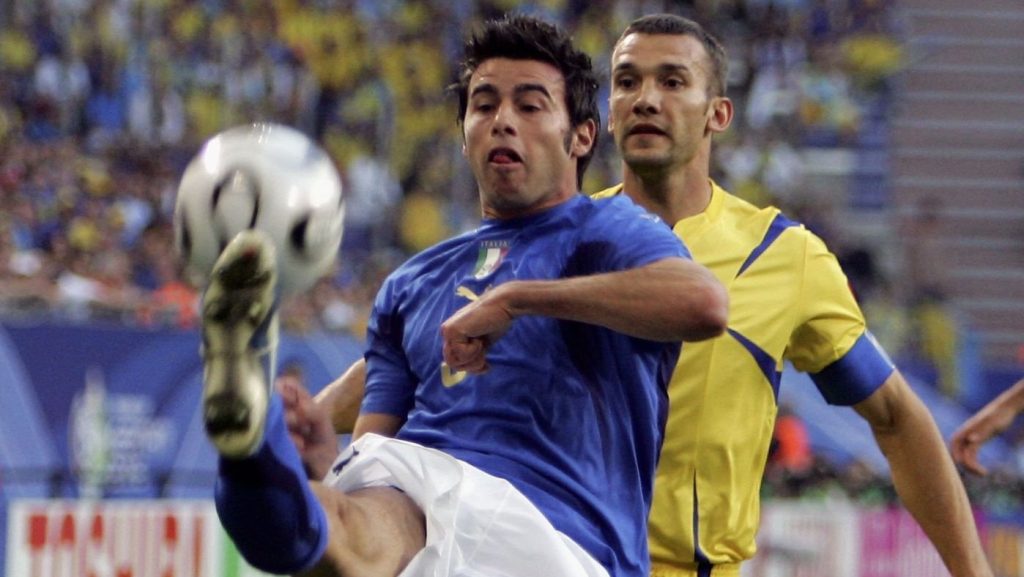
The legendary Andriy Shevchenko, despite playing through lingering injury issues, was the talisman and captain, scoring crucial goals in the group stage.
Goalkeeper Oleksandr Shovkovskiy became a national hero, entering the record books as the first goalkeeper to not concede a single penalty in a World Cup shootout during the win over Switzerland.
What Happened Next:
For Ukraine, the 2006 Quarter-Final run remains a beautiful but incredibly solitary memory.
Despite boasting talented squads in the years since – often featuring stars from Shakhtar Donetsk and Dynamo Kyiv, they have suffered repeated heartbreak in qualification playoffs.
Because of these agonizing near-misses, Ukraine has not managed to qualify for a single World Cup since their magical debut in Germany.
Honorable Mentions
Several other nations have etched their names into folklore with magical maiden campaigns. While they may not have reached the Semis or Quarters (or did so under entirely unique circumstances), their debuts were nothing short of legendary:
-
North Korea (1966): The Chollima became the first Asian team to progress beyond the first round. They pulled off one of the biggest upsets in football history by defeating heavyweights Italy 1-0 to reach the Quarter-Finals, where they famously went 3-0 up against Portugal before Eusébio’s incredible comeback.
-
Algeria (1982): The Fennec Foxes shocked the globe in Spain by defeating reigning European champions West Germany 2-1 in their opening match. They played brilliantly and won two of their group games, but were cruelly denied a spot in the knockout stages by the infamous “Disgrace of Gijón – a highly controversial 1-0 result between West Germany and Austria. Despite this historic injustice, their heroic debut cemented their legacy in FIFA’s official history files.
-
Costa Rica (1990): For a nation of just over 3 million people, reaching the 1990 World Cup in Italy was a dream. But Los Ticos went beyond their wildest imaginations, defeating Scotland and Sweden to reach the Round of 16 in their very first try.
-
Nigeria (1994): The Super Eagles arrived in the USA and immediately became global fan favorites. Playing with smiles and attacking flair, players like Rashidi Yekini and Daniel Amokachi led Nigeria to top their group before a narrow, heartbreaking loss to Italy in the knockouts.
-
Saudi Arabia (1994): The Green Falcons shocked everyone by advancing to the Round of 16. Their debut will forever be remembered for Saeed Al-Owairan’s iconic, Maradona-esque solo goal against Belgium.
-
Ghana (2006): It took the Black Stars a long time to reach the world stage, but they brought bravery and flair to Germany. They defeated the Czech Republic and the USA to reach the Round of 16, putting up a fierce fight against a star-studded Brazil side.
Frequently Asked Questions (FAQ)
Q: If Algeria in 1982 is officially recognized by FIFA as a legendary debut, why aren’t they in the Top 4?
A: Algeria’s debut was truly spectacular, but as mentioned, their journey was tragically cut short by the “Disgrace of Gijón”.
The top 4 teams on this list are ranked higher simply because they were able to overcome the odds, successfully navigate past the group stage, and make deep runs into the Quarter-Finals and Semi-Finals. Algeria’s story is one of the World Cup’s greatest “what-ifs”.
Q: Can Cape Verde join this legendary list at the 2026 World Cup?
A: It is entirely possible! Cape Verde (Cabo Verde) has already sparked massive speculation after their heroic, back-to-back draws against heavyweights Spain and Uruguay in their 2026 debut.
To be officially considered among the “Greatest Debutants” alongside the likes of Croatia ’98 or Senegal ’02, the Blue Sharks will need to prove they are more than just resilient defenders. If they can escape the group stage, they will undoubtedly write their names into World Cup history.
You have just read the article “Inspired by Cape Verde: 4 Greatest Debut Teams in World Cup History”. Follow 52Hz Football for more captivating stories, tactical analyses, and historical football deep-dives.
READ MORE:
Forget Germany 7-1 Curacao: 11 Biggest Goal Margins in World Cup History
