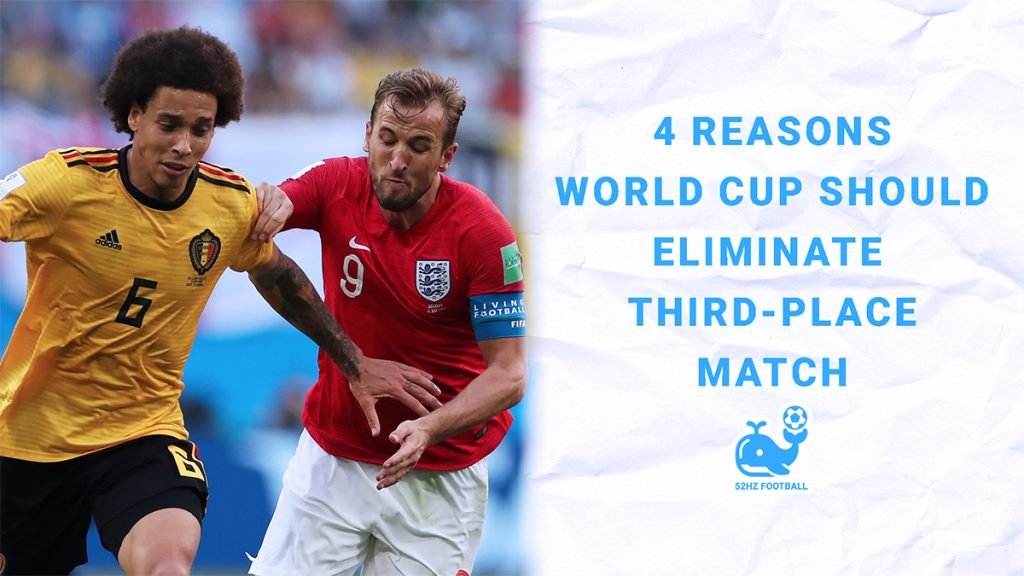
The demand that the FIFA World Cup should eliminate the third-place match is growing impossible to ignore, as exhausted squads are brutally forced to play a meaningless football bronze medal match.
The FIFA World Cup stands alone as the pinnacle of sporting achievement. Reaching the semi-finals of this historic tournament guarantees immortality in a nation’s sporting folklore.
However, falling just one match short of the grand finale plunges a team into an inescapable emotional abyss.
Instead of allowing these devastated athletes to pack their bags, mourn their defeat, and return home to recover, FIFA forces them into an unwanted and punitive exhibition: the third-place play-off.
While progressive organizations like UEFA abolished their equivalent fixture back in 1984, FIFA has stubbornly clung to this outdated tradition. As the global calendar becomes increasingly congested, the backlash against this World Cup consolation match has reached a boiling point.
Here are four compelling reasons why FIFA must finally put an end to the third-place play-off.
1. Psychological Collapse
At the elite level of the FIFA World Cup, the solitary objective is lifting the iconic golden trophy. When a team loses a semi-final, the psychological devastation is profound, and the competitive fire is instantly extinguished.
Managers face the impossible task of motivating heartbroken players for a game they actively despise. This grim reality was on full display ahead of the 2026 World Cup third-place play-off between England and France.
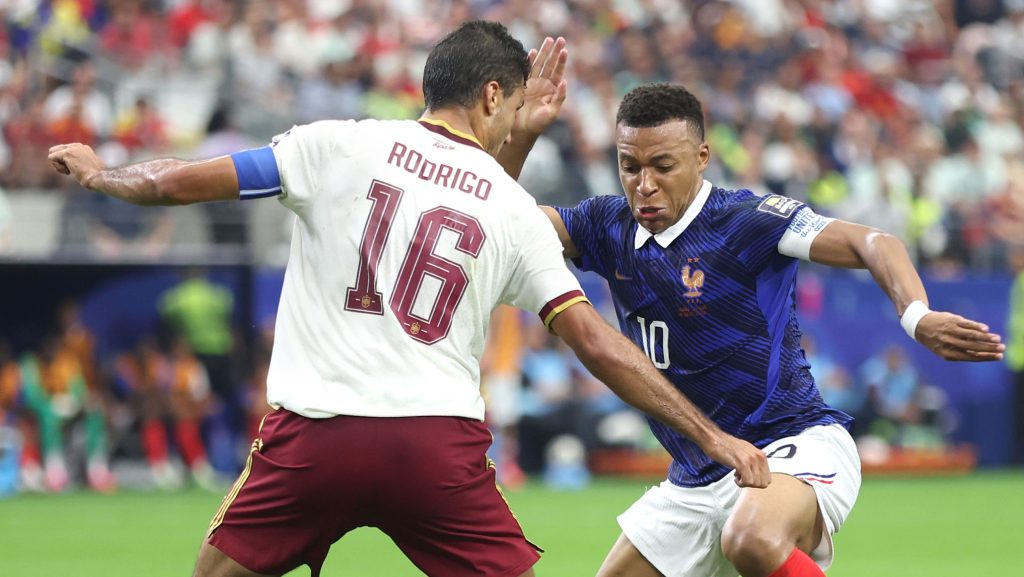
After both powerhouses fell short in their respective semi-finals, the dressing rooms were utterly desolate. French national team defender Ibrahima Konate bluntly summarized the squad’s feelings on Friday, stating:
“None of us wanted to play in this game for third place. But we don’t have a choice to play.”
England manager Thomas Tuchel echoed this painful sentiment, admitting,
“Nobody wants to be, tomorrow, in this game.”
When the tournament’s biggest stars and elite tacticians openly admit their disdain for an official World Cup fixture, FIFA’s insistence on hosting it becomes a cruel exercise in psychological exhaustion.
2. Unprecedented Player Burnout
The modern footballing calendar is notoriously overcrowded, but FIFA’s decision to expand the World Cup has pushed athletes past their physiological breaking points.
The 2026 format demands that teams endure a longer, more grueling path to the final week of the tournament. The players stepping onto the pitch for the bronze medal match have just survived a punishing nine-month domestic club season, immediately followed by over a month of high-intensity international duty.
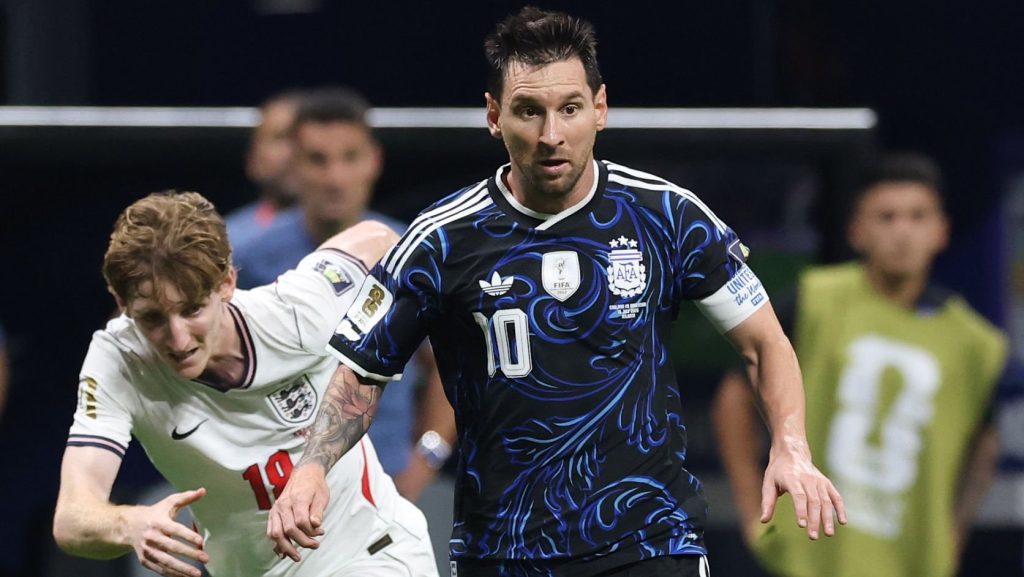
Forcing athletes who are operating entirely on physical fumes to play a seventh match in a single month elevates the risk of catastrophic muscular and structural injuries.
Elite European clubs, who pay the astronomical salaries of these superstars, watch the third-place play-off with sheer terror. Risking generational talents in a glorified exhibition match just weeks before a new domestic season begins is medically irresponsible.
If FIFA truly cares about player welfare, removing this unnecessary physical burden is the most obvious solution.
3. A Drastic Drop in Tactical Quality That Damages the World Cup Brand
The FIFA World Cup built its reputation on delivering the highest quality of football on the planet. However, because of the physical exhaustion and total lack of collective motivation, the third-place match rarely features a true reflection of a team’s prowess.
Managers typically use this fixture to field heavily rotated “B-teams”, giving minutes to reserve goalkeepers and bench players out of a sense of obligation. Ahead of the 2026 match, France coach Didier Deschamps stated:
“We do have a match for the third place playoff, and there’s a duty… We have a responsibility to wear this jersey.”
But he quickly confirmed he would be making sweeping changes to his regular lineup. Tuchel also announced major changes for England.
While individuals may have personal stakes such as Kylian Mbappé – chasing the Golden Boot, entering the match tied on eight goals with Lionel Messi but trailing in the assist tiebreaker, the collective tactical quality plummets.
For fans expecting a premium World Cup masterclass, the resulting game is often a disjointed, uninspired scrimmage that tarnishes the tournament’s elite branding.
4. Diminishing Commercial Appeal and Wasted Logistical Resources
FIFA’s primary justification for keeping the third-place play-off has always been financial: an extra match means extra broadcasting rights, ticketing revenue, and sponsorship visibility.
However, this argument is rapidly losing its potency. The global media apparatus and fan excitement are entirely laser-focused on the upcoming Sunday final.
Consequently, the World Cup bronze medal match notoriously suffers from a muted atmosphere, a noticeable lack of genuine fan engagement, and plummeting television ratings compared to the knockout stages.
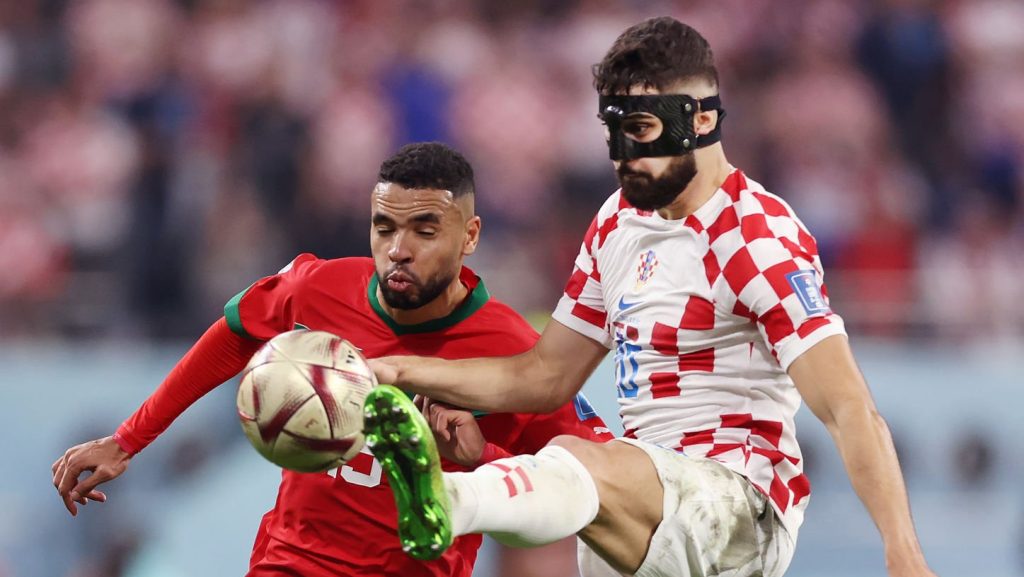
Host cities are forced to expend massive resources on stadium operations, urban management, and elite security deployments for a match that feels entirely anticlimactic.
The return on investment is shrinking, proving that artificially inflating the tournament’s schedule does not equate to genuine commercial success.
Conclusion
The romanticized notion of a valiant battle for third place at the World Cup is a commercial fabrication that ignores the harsh realities of modern football. UEFA proved four decades ago that a major international tournament actually thrives when it cuts out the dead weight and propels fans directly from the drama of the semi-finals into the euphoria of the grand finale.
By stubbornly retaining the third-place play-off, FIFA is prioritizing marginal financial gains over the physical and mental health of the athletes who make the tournament spectacular.
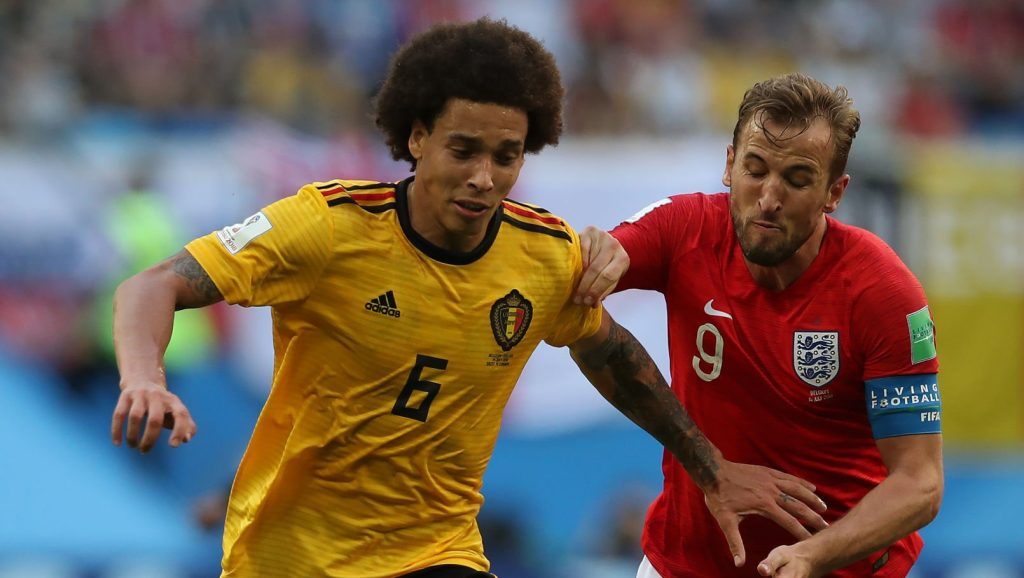
It is time for football’s ultimate governing body to evolve, respect the limits of its players, and permanently eliminate the World Cup bronze medal match.
Let the ultimate prize remain the sole focus, and let the defeated finally rest.
Frequently Asked Questions (FAQ)
Q: Has the FIFA World Cup always had a third-place play-off?
A: The fixture has been a staple of the World Cup since the second edition in 1934. However, modern football’s extreme physical demands have led to widespread calls for its removal.
Q: Why did UEFA eliminate their third-place match?
A: UEFA scrapped the Euro third-place play-off after the 1980 tournament, citing poor television ratings, low stadium attendance, and a dramatic lack of player motivation.
Q: Do players care about winning the World Cup bronze medal?
A: While a few players may value the individual statistics or the medal itself, the overwhelming consensus among elite players and managers is that the match is an unwanted burden following a semi-final defeat.
You have just read the article “4 Reasons Why World Cup Should Eliminate the Third-Place Match“. Follow 52Hz Football for more captivating stories, tactical analyses, and historical football deep-dives.
READ MORE:
5 Reasons Why the Argentina National Football Team is Hated Globally
