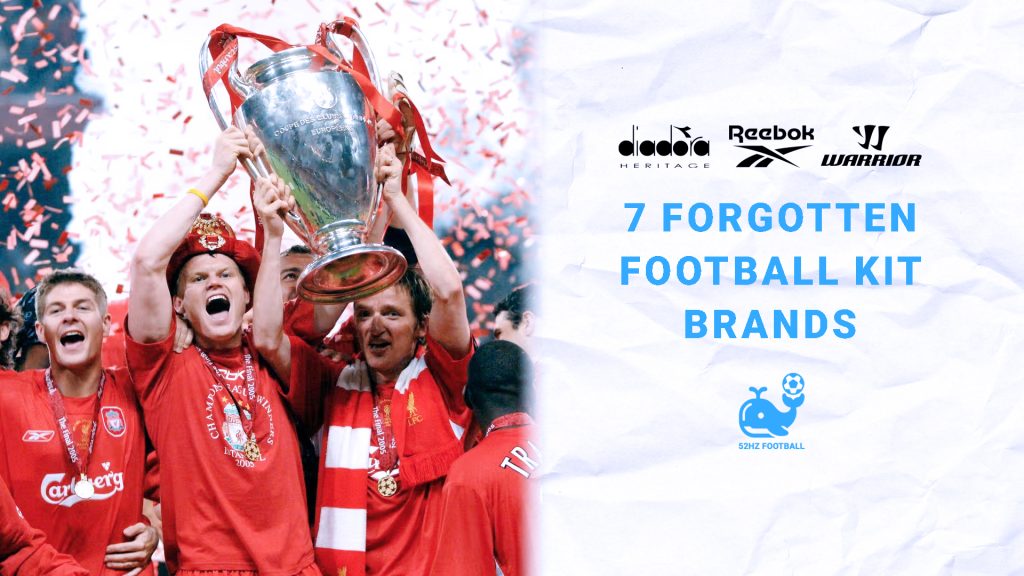
Nike and Adidas rule today, but what happened to Reebok, Pony, and Meyba? Discover the history of forgotten football kit brands that left the game.
When exploring the world of vintage football shirts, you might stumble upon some truly unexpected logos.
Today, the football apparel industry is almost entirely monopolized by the “Big Three” Nike, Adidas, and Puma. But roll the tape back to the 1980s, 1990s, and early 2000s, and the market was a vibrant landscape of diverse manufacturers.
From American sneaker companies to premium Italian fashion houses, many iconic brands tried to conquer the beautiful game before stepping away from the pitch. For collectors and fans of classic football kits, these rare logos represent a golden era of nostalgia, bold designs, and fierce competition.
1. Reebok
Before Adidas and Nike completely dominated English football, Reebok was an absolute powerhouse.
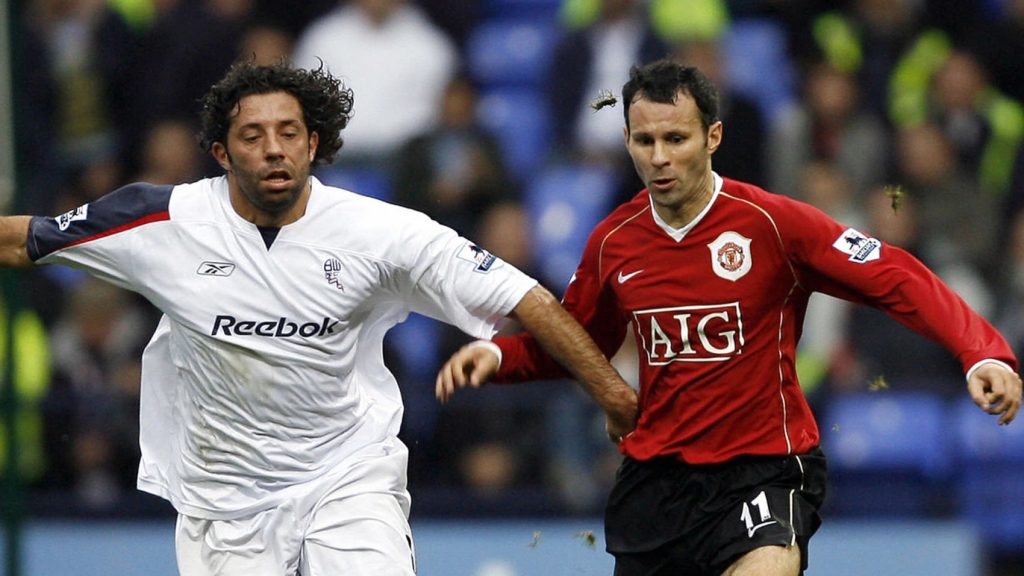
Founded in the UK, the brand naturally gravitated toward the Premier League. Their most iconic partnership was with Liverpool, outfitting the Reds during their miraculous 2005 UEFA Champions League victory in Istanbul.
They were also the defining sponsor of Bolton Wanderers, to the point where Bolton’s home ground was officially named the “Reebok Stadium” for 17 years.
Notable Clubs:
- Liverpool FC: 1996-2006
- Bolton Wanderers: 1993-2012
- Manchester City: 2003-2007
- Aston Villa: 1993-1998
Reebok was acquired by Adidas in 2005. To avoid internal competition, the parent company slowly phased Reebok out of professional football. Today, Reebok focuses almost exclusively on fitness, CrossFit, and retro streetwear.
2. Asics
Asics is globally revered for producing some of the highest-quality running shoes on the planet. However, in the 1990s, they decided to dip their toes into European football with massive success.
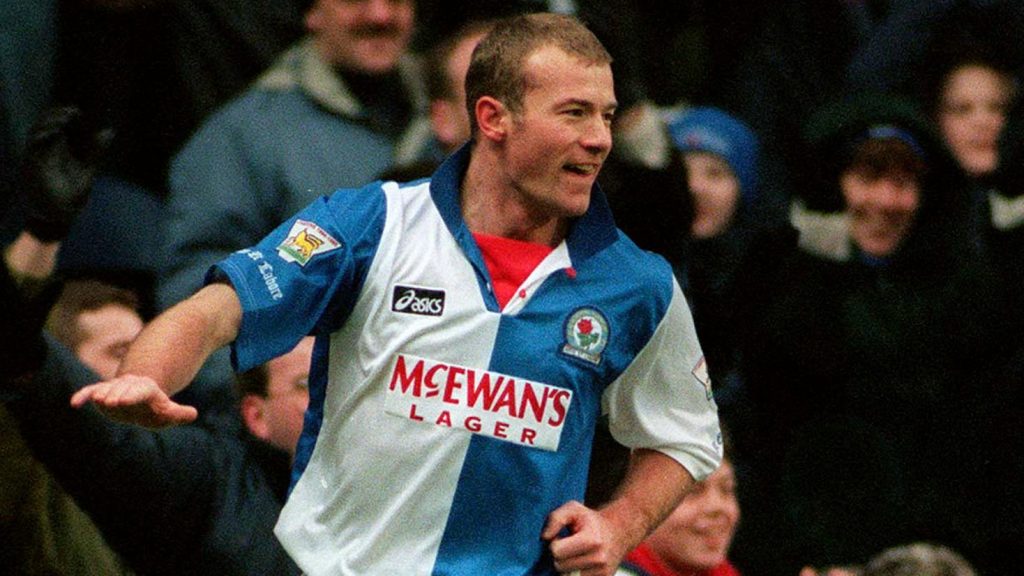
They famously sponsored Blackburn Rovers during their legendary 1994-1995 Premier League title-winning campaign, outfitting the lethal striking duo of Alan Shearer and Chris Sutton. In Italy, Asics kits were synonymous with the early, magical years of Francesco Totti at AS Roma.
Notable Clubs:
- Blackburn Rovers: 1992-1998
- Aston Villa: 1993-1995
- AS Roma: 1994-1997
- Sampdoria: 1990-2004
Asics realized their true dominance lay in track and field and running technology. They quietly exited the hyper-competitive football kit market to solidify their position as the undisputed king of performance running shoes.
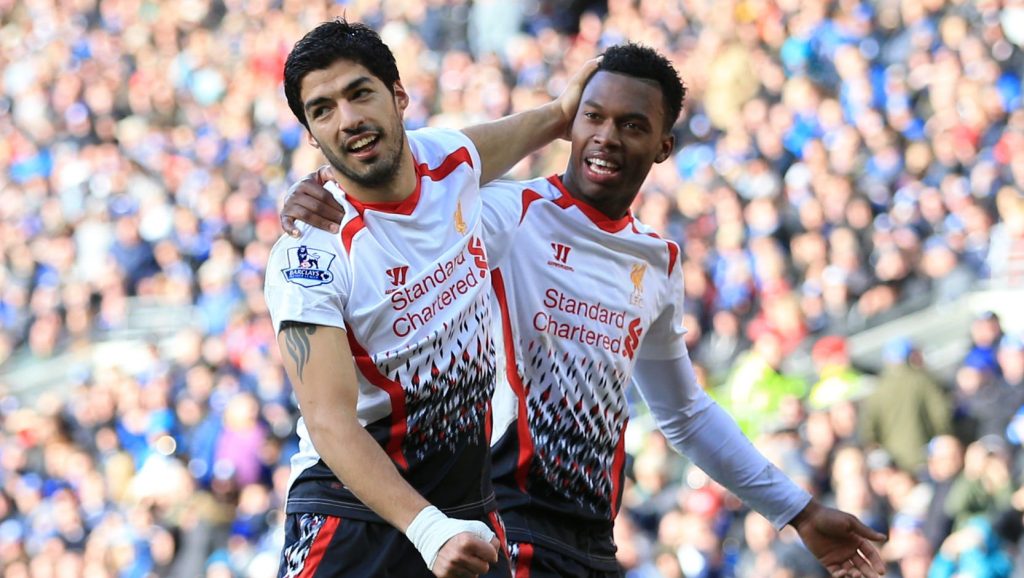
3. Warrior Sports
Warrior Sports was an American brand primarily known for ice hockey and lacrosse. In 2012, they aggressively entered the football market by outbidding Adidas to become Liverpool’s official kit manufacturer.
Warrior became infamous in the football world for their wild, chaotic, and overly complex away kit designs that highly polarized fanbases.
Notable Clubs & Sponsorship Duration:
- Liverpool FC: 2012-2015
- Sevilla FC: 2013-2015
- FC Porto: 2014-2015
Warrior Sports is actually a subsidiary of New Balance. In 2015, the parent company decided to pull the plug on the Warrior football experiment, opting to manufacture football kits directly under the globally recognized New Balance brand instead.
Interestingly, the aggressive name “Warrior” shares a striking phonetic and thematic resemblance to Warrix, a highly successful modern sports brand from Thailand.
While Warrior Sports has faded from football, Warrix (founded in 2013) has taken over the Southeast Asian market, currently serving as the official kit sponsor for the Thailand National Football Team and several Asian clubs.
4. Pony
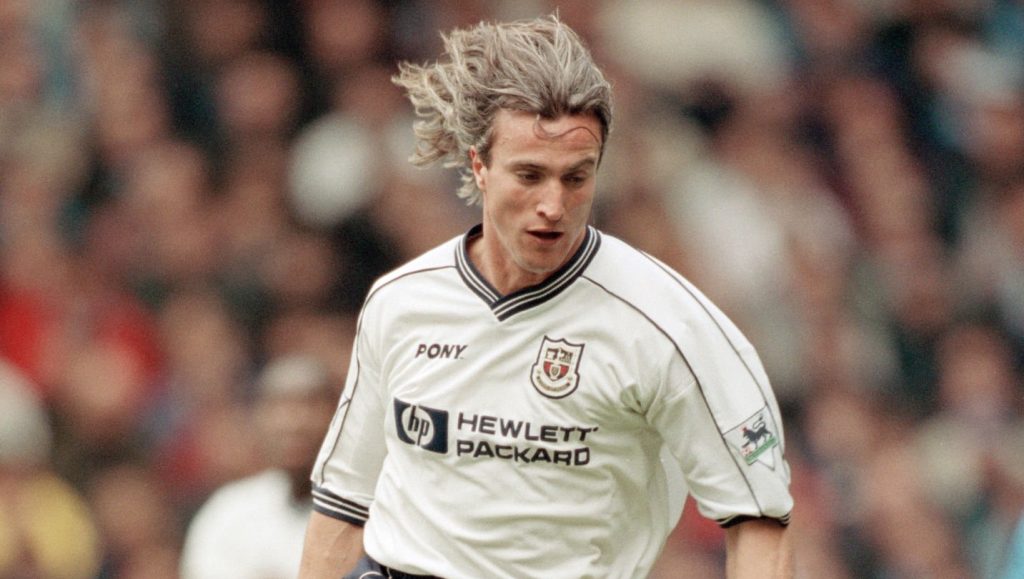
Pony (Product of New York) brought a distinct American flavor to the Premier League in the 1990s.
Recognizable by the large chevron logo, Pony manufactured kits that looked fantastic but were notoriously impractical. Players frequently complained that the thick, heavy fabric absorbed too much sweat, weighing them down during matches.
Despite the material issues, Pony kits are now highly sought-after vintage football shirts.
Notable Clubs:
- West Ham United: 1993-1998
- Tottenham Hotspur: 1995-1999
- Southampton: 1993-1999
After struggling to innovate in performance fabrics, Pony exited professional team sports entirely. The brand was later revived and now operates strictly as a retro lifestyle and sneaker brand.
5. Meyba
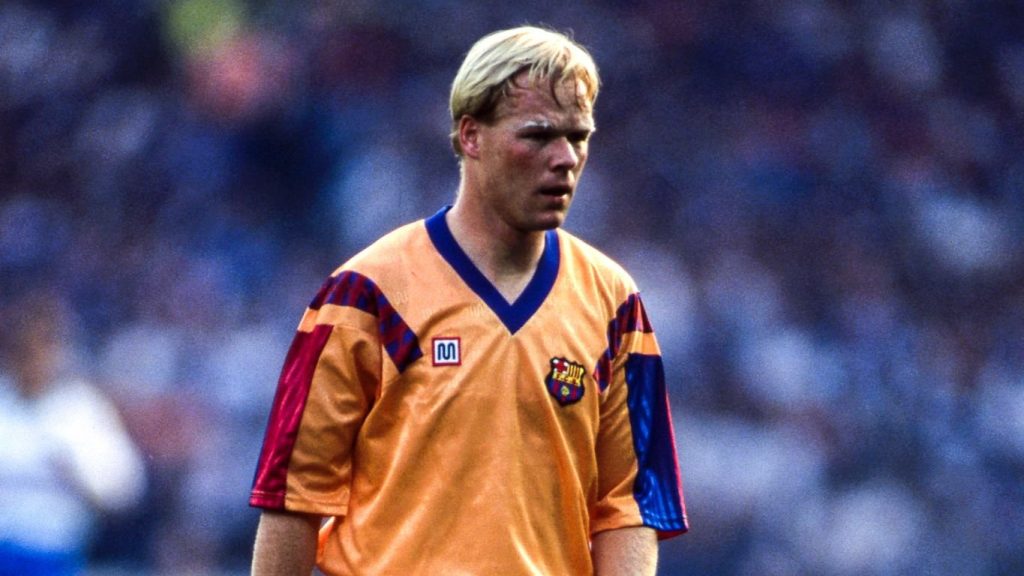
If you ask any FC Barcelona historian about classic football kits, they will immediately mention Meyba.
This domestic Spanish brand hit the absolute jackpot by securing the Barcelona contract in the 1980s. Their kits featured a distinct “M” logo cascading down the sleeves and shorts.
Meyba was the brand worn by Johan Cruyff’s legendary “Dream Team” when Ronald Koeman’s free-kick secured Barca’s first-ever European Cup in 1992.
Notable Clubs:
- FC Barcelona: 1982-1992
- Atletico Madrid: 1980-1983
- RCD Espanyol: 1983-1989
Meyba failed to secure global distribution and struggled financially when Nike and Adidas aggressively expanded in the late 90s. The brand went bankrupt but was recently resurrected as a niche premium retro-fashion label, though they no longer sponsor active professional teams.
6. Diadora
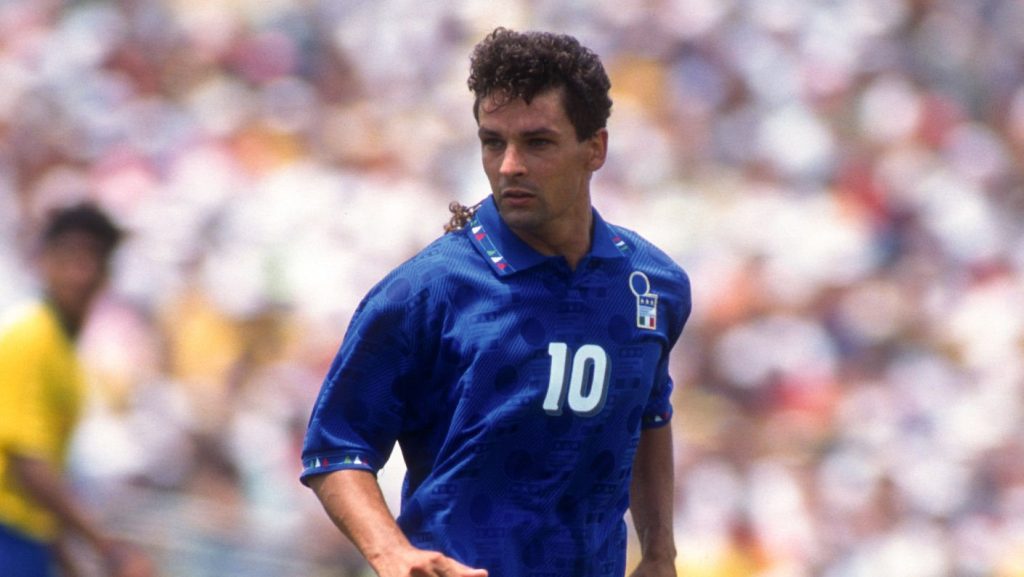
In the 1990s, Serie A was the best league in the world, and Diadora was its official tailor. The Italian brand created absolute masterpieces, characterized by elegant collars, intricate sublimated patterns, and a perfect tailored fit.
From Roberto Baggio wearing the famous blue Diadora kit at the 1994 World Cup to Gabriel Batistuta smashing in goals for AS Roma, Diadora is royalty among historic kit manufacturers.
Notable Clubs:
- Italy National Team: 1986-1994
- AS Roma: 1997-2007
- SSC Napoli: 2000-2003
- Aston Villa: 2000-2004
Diadora still exists but has heavily downsized its football operations. While you might occasionally spot their logo on a lower-league Italian or Scandinavian club, they no longer have the financial firepower to sponsor the titans of European football.
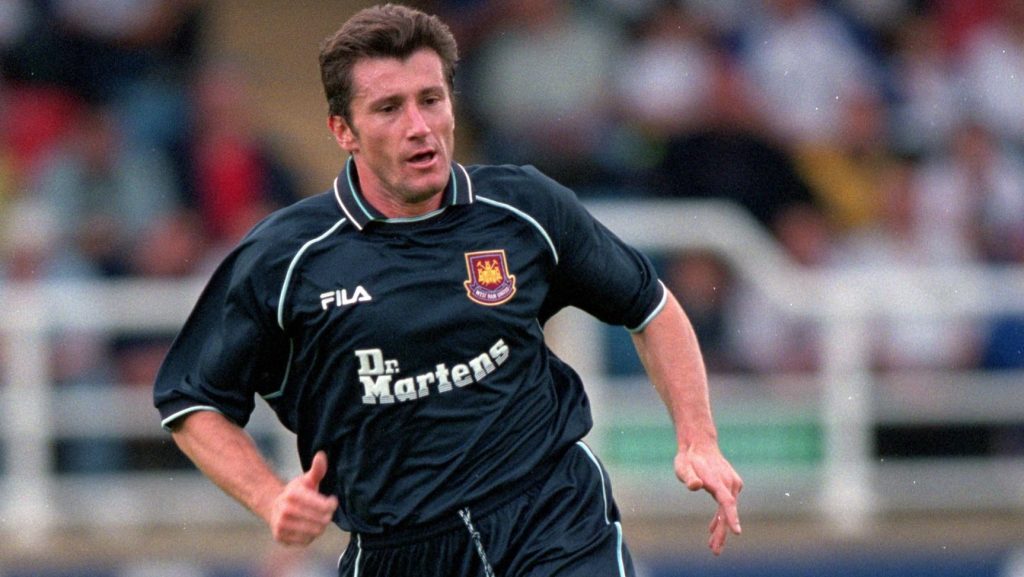
7. Fila
Since we started with Fila, it is only right to give them their own dedicated spot. Fila’s foray into football was relatively brief but visually stunning. They brought tennis-inspired aesthetics to the football pitch, creating some of the sharpest kits of the turn of the millennium.
Notable Clubs:
- West Ham United: 1999-2003
- ACF Fiorentina: 1997-2000
Similar to Reebok, Fila shifted its focus back to its roots: tennis, golf, and highly successful retro streetwear, leaving the football pitch behind for good.
Conclusion
The modern era of ultra-lightweight, scientifically engineered kits produced by a global duopoly is undoubtedly better for player performance. However, for collectors of retro football kit sponsors, the messy, diverse, and highly experimental era of the 90s and 00s will always be the golden age of football fashion.
These forgotten football kit brands may have left the game, but their iconic designs remain woven into the fabric of football history.
Frequently Asked Questions (FAQ)
Q: Why did major brands like Reebok and Warrior stop making football kits?
A: In most cases, their disappearance was the result of corporate consolidation. Reebok was acquired by Adidas, who eventually phased them out of professional football to avoid internal competition. Similarly, Warrior Sports is a subsidiary of New Balance; the parent company simply decided to rebrand its football division directly under the globally recognized New Balance name.
Q: Which of these forgotten football kit brands is the most valuable to collectors?
A: While value fluctuates, Meyba’s FC Barcelona kits from the 1980s and early 90s are widely considered the holy grail among vintage football shirt collectors. Because they were worn by Johan Cruyff’s legendary “Dream Team”, these classic shirts hold immense historical and financial value.
Q: Are any of these historic kit manufacturers planning a return to elite football?
A: While brands like Meyba and Pony have experienced minor revivals as retro-fashion and lifestyle labels, they currently lack the massive financial firepower required to sponsor top-tier European clubs. The modern football kit market is heavily monopolized by Nike, Adidas, and Puma, making a full-scale return for these older brands highly unlikely.
You have just read the article “7 Forgotten Football Kit Brands: From Liverpool’s Warriors to Bolton’s Reebok”. Follow 52Hz Football for more captivating stories about football, geography and culture.
READ MORE:
