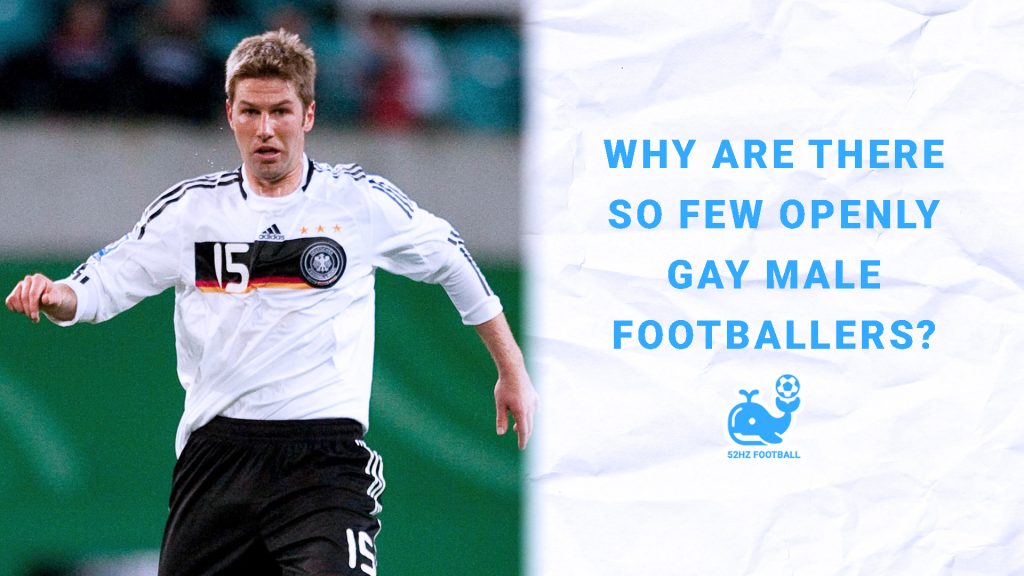
Why are there so few openly gay male footballers? The short answer is not that gay men are absent from the game, but that professional football still makes public disclosure feel unusually risky.
Men’s football has thousands of professional players across hundreds of leagues, yet only a small number have publicly identified as gay while still playing. The contrast is especially noticeable in the world’s biggest competitions, where no active male Premier League player has publicly come out.
This does not tell us how many gay or bisexual footballers there are. Sexual orientation is private, and players have no obligation to discuss it publicly. What the small number does show is how difficult many players believe that decision could become.
Last updated: 20 September 2026.
1. Being Gay Is Not Rare; Being Openly Gay in Men’s Football Is
The central distinction is between being gay and being openly gay. Professional footballers are not a separate section of society, so there is no reason to think LGBTQ+ people are naturally less likely to possess the talent required to play the sport.
However, becoming a professional player often means entering an academy during childhood, living in a highly competitive team environment and depending on coaches for contracts, selection and career progression. A young player may decide that keeping his private life hidden is safer than discovering how teammates, supporters or decision-makers will react.
The consequences are also difficult to predict. A supportive dressing room cannot prevent abuse from rival supporters, anonymous social-media accounts or people in countries with very different attitudes towards LGBTQ+ identities.
2. Football’s Traditional Ideas About Masculinity
Men’s football has historically celebrated a narrow version of masculinity. Players are expected to appear physically strong, emotionally controlled and unaffected by insults or pressure.
Being gay has nothing to do with any of those qualities. Nevertheless, homophobic language has long been used in dressing rooms and stadiums to question whether somebody is sufficiently tough or masculine.
Not every player using this language intends to target a gay teammate. That does not make the environment harmless. A teenager who repeatedly hears sexuality used as an insult may reasonably conclude that revealing his own identity would change how others see him.
Australian international Jackson Irvine described this problem in an interview with FIFPRO, arguing that the toxic masculine atmosphere sometimes found in football can make members of the gay community feel unwelcome.
3. The Fear of Abuse From Supporters
A footballer who comes out is not revealing his identity only to his teammates. He is effectively announcing it to stadiums full of rival supporters and to millions of people online.
English football has made progress in treating homophobic chanting as discriminatory behaviour, but the problem has not disappeared. Clubs have received fines and action plans after supporters used anti-LGBTQ+ chants, while Kick It Out continues to record homophobic abuse in professional, grassroots and online football.
The experience of Josh Cavallo shows the contradiction clearly. Cavallo received widespread support after coming out in 2021, including messages from leading players and clubs. He later told the Associated Press that he was still receiving regular online death threats.
A player considering the same decision therefore sees two possible reactions at once: public encouragement from much of football, but also abuse that may continue for years.
4. The Pressure of Becoming “The First”
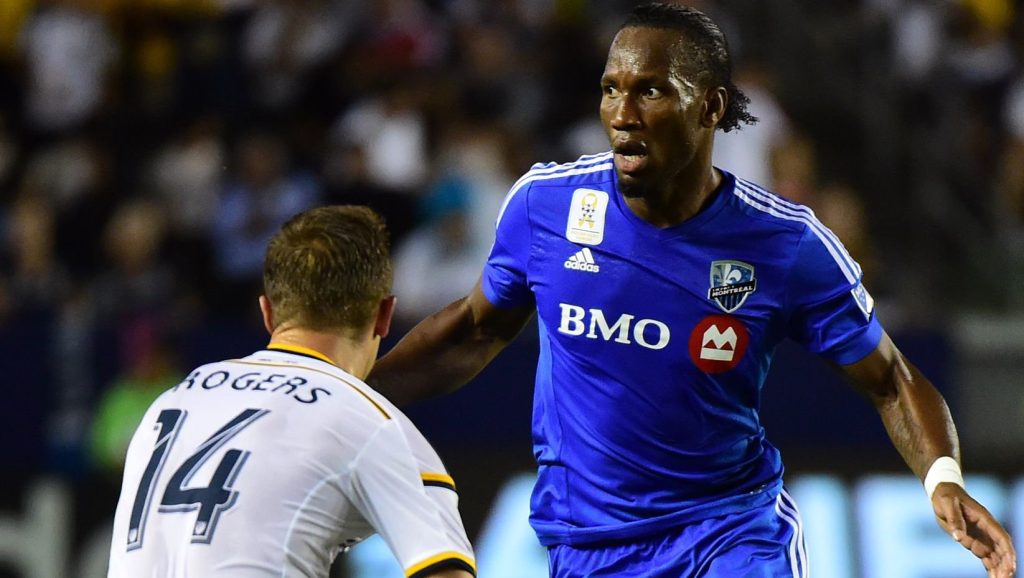
An openly gay player in a major men’s league would immediately become more than a footballer. His performances, relationships, interviews and social-media activity would be examined as part of a much larger cultural story.
Every goal or poor match could generate headlines unrelated to football. The player could also be expected to represent an entire community, respond to every homophobic incident and educate others about issues he never volunteered to discuss.
This is a considerable burden. A heterosexual player can introduce a partner without turning the moment into international news. An elite gay player may know that doing the same thing could define his public identity for the remainder of his career.
The demand for a famous player to “be brave” can therefore become unfair. Coming out should be a personal choice, not a duty imposed on somebody because football wants a symbol of progress.
5. Could Coming Out Affect a Player’s Career?
Clubs commonly promote inclusion and have policies against discrimination. Teammates have also responded positively when players such as Cavallo, Jake Daniels and Jakub Jankto have spoken publicly.
The uncertainty lies in what cannot easily be measured. A player may worry about whether a coach, scout or club executive holds private prejudices. Even when a sporting decision is legitimate, the player may be left wondering whether his sexuality influenced it.
There are also commercial questions. Some sponsors may welcome an openly gay athlete, while others could become cautious in markets where LGBTQ+ rights remain politically sensitive.
Football is a global industry. Players move between countries, compete in international tournaments and represent clubs with supporters and business partners around the world. Same-sex relationships remain criminalised or heavily restricted in a number of those countries.
A player who feels safe at his domestic club may still have concerns about travelling, transferring abroad or competing in a tournament hosted somewhere less accepting.
6. Male Footballers Who Have Publicly Come Out
The list is short, but it is not empty. Several players have spoken publicly during or after their professional careers.
| Player | Country | Year | Context |
|---|---|---|---|
| Justin Fashanu | England | 1990 | The first prominent male professional footballer to come out publicly while still playing |
| Robbie Rogers | United States | 2013 | Came out while announcing his retirement, then returned to play for LA Galaxy |
| Collin Martin | United States | 2018 | Came out while playing professionally in Major League Soccer |
| Josh Cavallo | Australia | 2021 | Became the first publicly gay active player in a men’s top-flight league at the time |
| Jake Daniels | England | 2022 | Became the first active British male professional to come out since Fashanu |
| Jakub Jankto | Czech Republic | 2023 | Came out while an active Czech international and a player at Sparta Prague |
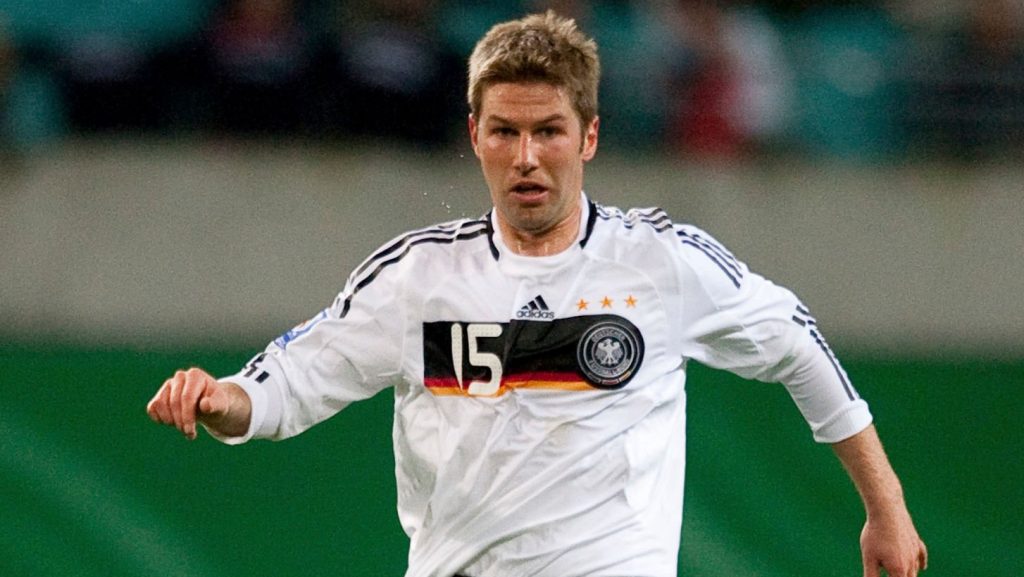
Other footballers, including former Germany international Thomas Hitzlsperger, have come out after retiring. Their decisions were still important, but the difference in timing matters. A retired player no longer has to worry about team selection, transfers, contract negotiations or entering a hostile away stadium every week.
7. The Legacy of Justin Fashanu
Justin Fashanu became the first widely known professional male footballer to come out publicly in 1990. He had previously made history as Britain’s first black footballer to command a £1 million transfer fee.
Instead of being treated simply as a player, Fashanu faced intense tabloid attention and widespread homophobia. His experience remains part of football’s collective memory, particularly because he died by suicide in 1998.
The sport has changed since then, but his story helps explain why later generations of players remained cautious. For many years, Fashanu was not merely the most famous example of an openly gay footballer; he was almost the only example available.
Players such as Cavallo, Daniels and Jankto have since received far more institutional and public support. Even so, the small number of announcements shows that the sense of risk has not completely disappeared.
8. Why Are More Women Footballers Openly LGBTQ+?
Women’s football has many openly lesbian and bisexual players, including some of the most recognisable names in the sport. This does not necessarily mean LGBTQ+ identities are more common among female footballers than male footballers. The difference is primarily one of visibility and culture.
Women who played football historically challenged traditional ideas about femininity simply by participating in the sport. As women’s football developed, many teams and supporter communities became comparatively welcoming spaces for people who did not fit conventional gender expectations.
Men’s football followed a different path. It became closely associated with traditional masculinity, large male crowds and dressing-room cultures in which appearing different could attract unwanted attention.
Commercial scale also matters. A Premier League star is followed by a far larger and more geographically diverse audience than most athletes. Greater visibility brings support, but it also magnifies abuse and turns a private decision into a global news event.
9. Why Does LGBTQ+ Representation Seem Better in Other Men’s Sports?
Several openly gay athletes have become prominent in rugby, swimming, diving, athletics, boxing and other sports. Gareth Thomas, Tom Daley, Ian Thorpe and Orlando Cruz are among the better-known examples.
Individual sports can give athletes greater control over their careers and public identities. A swimmer or boxer does not depend on being selected by the same teammates and manager every weekend. That does not remove the possibility of discrimination, but it changes the professional risk.
Team sports such as rugby have many of the same traditions surrounding masculinity as football. Their openly gay players demonstrate that these barriers can be broken, but they have also described the years of fear that preceded their decisions.
Football’s exceptional global popularity increases the pressure further. Few other athletes face the same combination of tabloid interest, tribal supporter culture, transfer uncertainty and social-media attention.
10. Is Football Becoming More Accepting?
There has been genuine progress. Clubs now publish anti-discrimination policies, supporters are more willing to report abuse and governing bodies can punish discriminatory chanting. Campaigns such as Football v Homophobia have also made LGBTQ+ inclusion a regular part of the conversation.
Public reactions to Cavallo, Daniels and Jankto were largely supportive. Their teammates did not reject them, and their announcements did not produce the universal hostility that earlier generations may have feared.
However, official statements and rainbow branding are not enough by themselves. Recent discrimination figures, online abuse and homophobic chanting show why some players may still distrust the assurances being offered.
Football will feel genuinely safe only when a player can mention his boyfriend or husband without the moment becoming a major announcement.
11. What Would Make It Easier for Players?
No campaign can or should pressure an individual footballer to come out. The objective must be to create conditions in which players can make that decision without fearing damage to their safety or careers.
- Clear punishment for abuse: Clubs and governing bodies must treat homophobic chanting as discrimination rather than ordinary football banter.
- Education in academies: Inclusive behaviour should be taught before harmful dressing-room habits become established.
- Confidential player support: Footballers need access to trusted mental-health and legal professionals without being forced into a public process.
- Visible support from teammates: Players are more likely to trust inclusion policies when senior figures challenge homophobic language themselves.
- Responsible media coverage: A player’s sexuality should not overshadow his performance or turn every interview into a discussion about LGBTQ+ issues.
Organisations such as FIFPRO and Football v Homophobia continue to provide education, support and reporting channels across the game.
12. The Real Answer
There are so few openly gay male footballers because disclosure still carries risks that heterosexual players rarely need to consider. A player may trust his teammates but fear supporters, social media, future employers, sponsors or the reaction in another country.
The issue is therefore not finding one famous footballer willing to become a symbol. It is building a culture in which no player is required to demonstrate exceptional courage simply to live openly.
Progress will not be measured by rainbow armbands or promotional campaigns alone. It will be measured by the day an active male footballer can discuss his partner without it becoming the defining story of his career.
You have just read “Why Are There So Few Openly Gay Male Footballers?”. Follow 52Hz Football for more answers to the questions behind the world’s most popular sport.
