
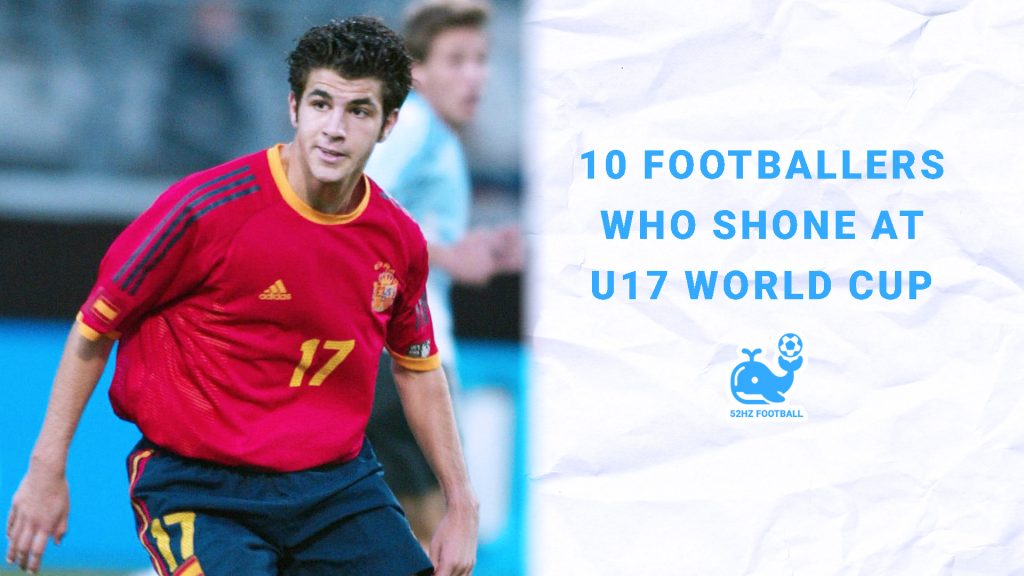
Cesc Fàbregas left the 2003 U17 World Cup with the Golden Ball and Golden Boot. Fourteen years later, Phil Foden scored twice in the final and collected the award for the tournament’s best player. Both gave audiences an early look at talents that would become familiar across the Premier League.
Updated: 22 November 2026
The competition has introduced generations of future stars to a global audience.
These ten players combined a memorable U17 World Cup with a significant senior career. Their stories follow in tournament order.
READ MORE:
Famous Players Who Starred at the U17 World Cup
| Player | Edition | U17 World Cup impact |
|---|---|---|
| Nwankwo Kanu | 1993 | Champion; hat-trick against Canada |
| Ronaldinho | 1997 | Champion; decisive contribution in the final |
| Landon Donovan | 1999 | Golden Ball |
| Cesc Fàbregas | 2003 | Golden Ball and Golden Boot |
| David Silva | 2003 | Bronze Ball; hat-trick against South Korea |
| Carlos Vela | 2005 | Champion and Golden Boot winner |
| Toni Kroos | 2007 | Golden Ball; five goals |
| Son Heung-min | 2009 | Three goals; quarter-finalist |
| Victor Osimhen | 2015 | Champion; record ten-goal Golden Boot |
| Phil Foden | 2017 | Champion and Golden Ball winner |
1. Nwankwo Kanu – Nigeria, 1993
Kanu announced himself with a hat-trick in Nigeria’s 8–0 victory over Canada in Japan. The Golden Eaglets went on to win the tournament, giving a remarkably gifted young forward his first world title.
His subsequent career helps explain the lasting importance of that breakthrough. He won the Champions League with Ajax in 1995, then became a familiar figure in English football with Arsenal and Portsmouth.
Reflecting on the competition years later, Kanu put its importance plainly:
“That World Cup made me.”
2. Ronaldinho – Brazil, 1997
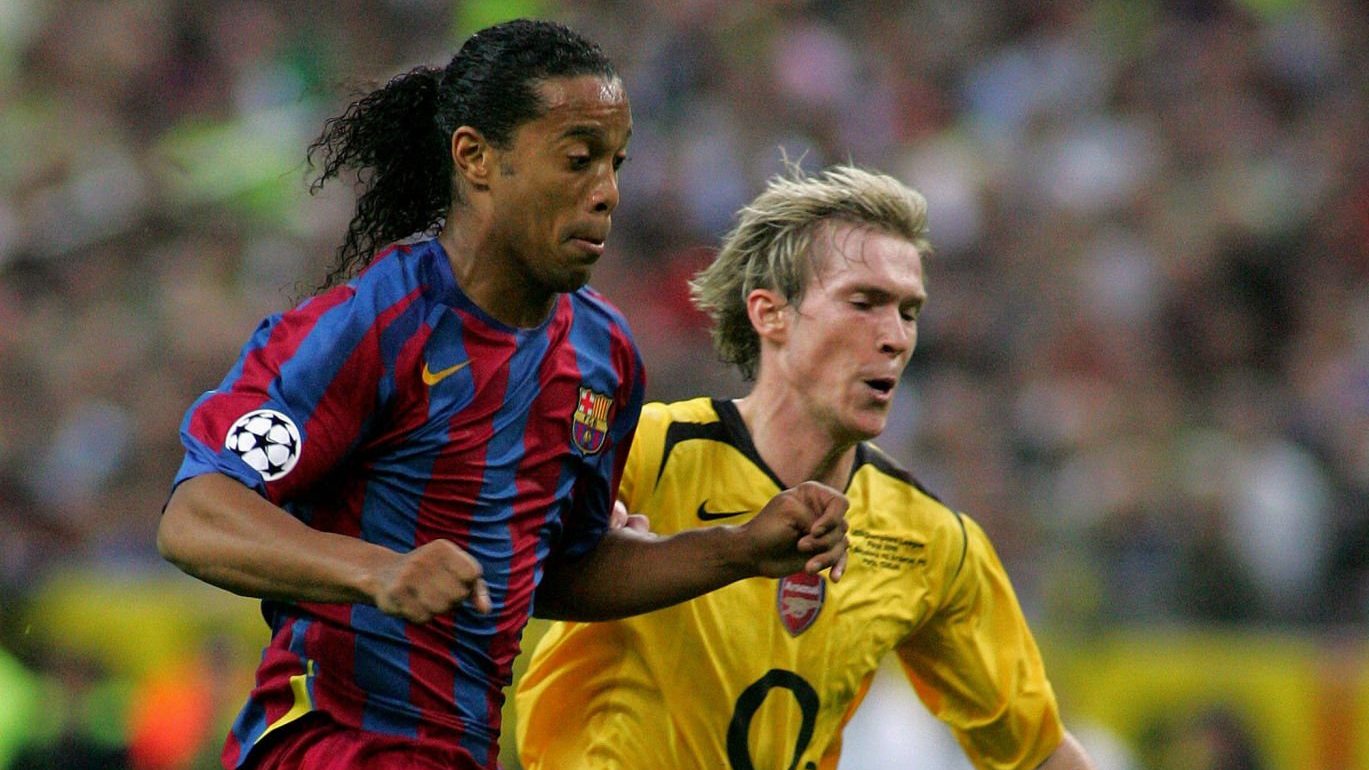
Ronaldinho scored twice as Brazil won their first U17 world title in Egypt, but the final provides a better measure of his influence than his goal total.
Trailing Ghana, Brazil equalised when Matuzalem followed up a saved Ronaldinho shot. Ronaldinho then supplied the pass for Andrey’s late winner, completing a 2–1 comeback. His contribution was decisive in both goals, even though he left without the Golden Ball.
Five years later, he was a senior world champion. His development at Grêmio, Paris Saint-Germain and Barcelona transformed that early promise into one of football’s most distinctive careers, built around invention, close control and the confidence to try what others would avoid.
3. Landon Donovan – United States, 1999
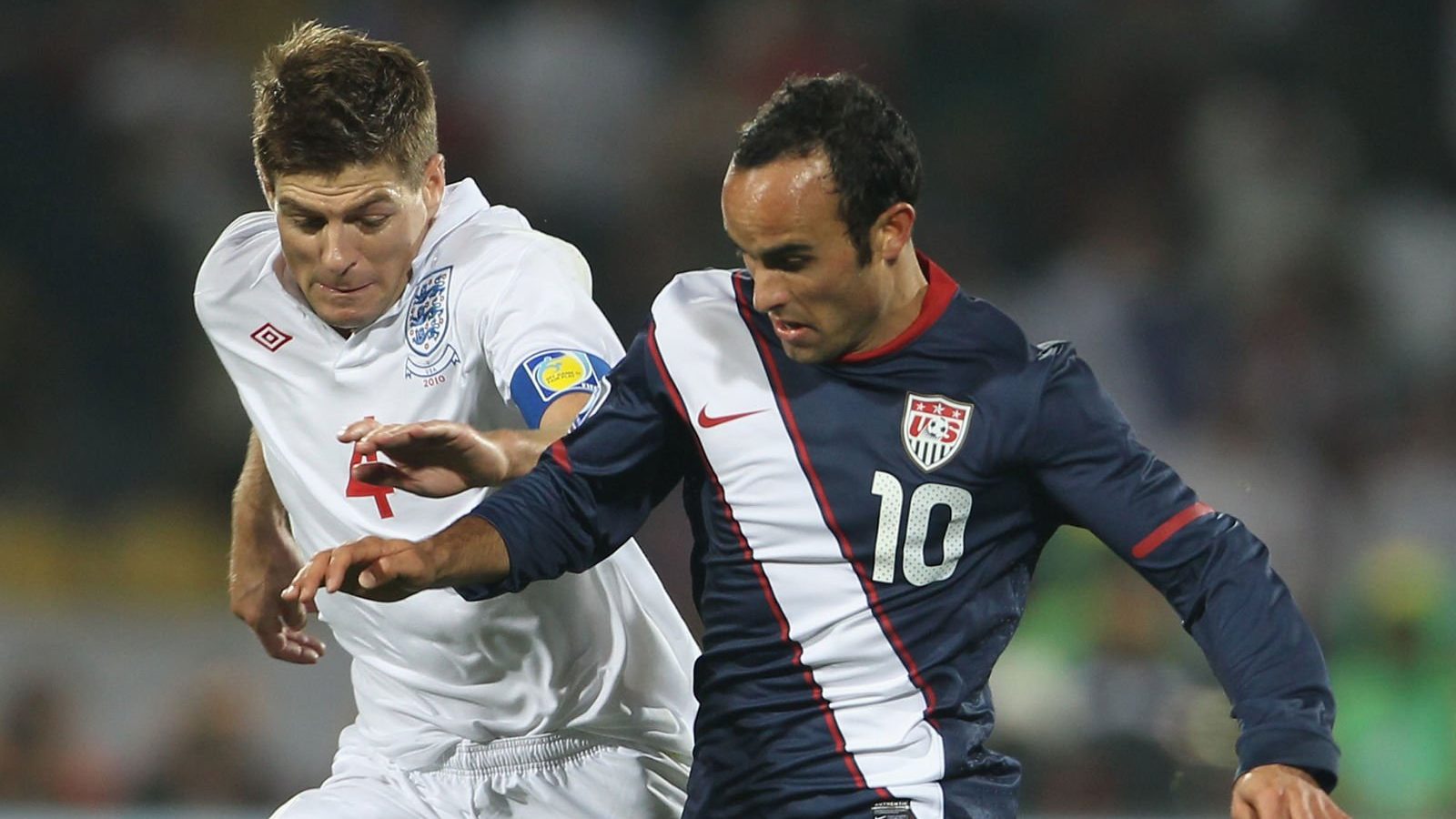
The United States finished fourth in New Zealand, and Donovan emerged with the Golden Ball.
He scored three times during the tournament, offering an early indication of the attacking influence he would have for the senior national team.
Within three years, Donovan was helping the United States reach the quarter-finals of the 2002 World Cup. His late winner against Algeria in 2010 became another defining national moment. The 1999 award belongs near the beginning of that story, when his international reputation was still being formed.
4. Cesc Fàbregas – Spain, 2003
Fàbregas is one of the clearest examples of a player using the U17 World Cup to reach a wider audience. He scored five goals in Finland and won both the Golden Ball and Golden Boot as Spain finished runners-up.
His goals came with the responsibilities of a midfielder, making his attacking contribution particularly striking. Spain lost the final 1–0 to Brazil, but Fàbregas had already made a compelling individual impression.
Arsenal signed him from Barcelona soon afterwards. His rise continued through first-team football in London, the club captaincy and a central role in Spain’s successful generation. In the 2010 World Cup final, he supplied the pass for Andrés Iniesta’s winning goal.

5. David Silva – Spain, 2003
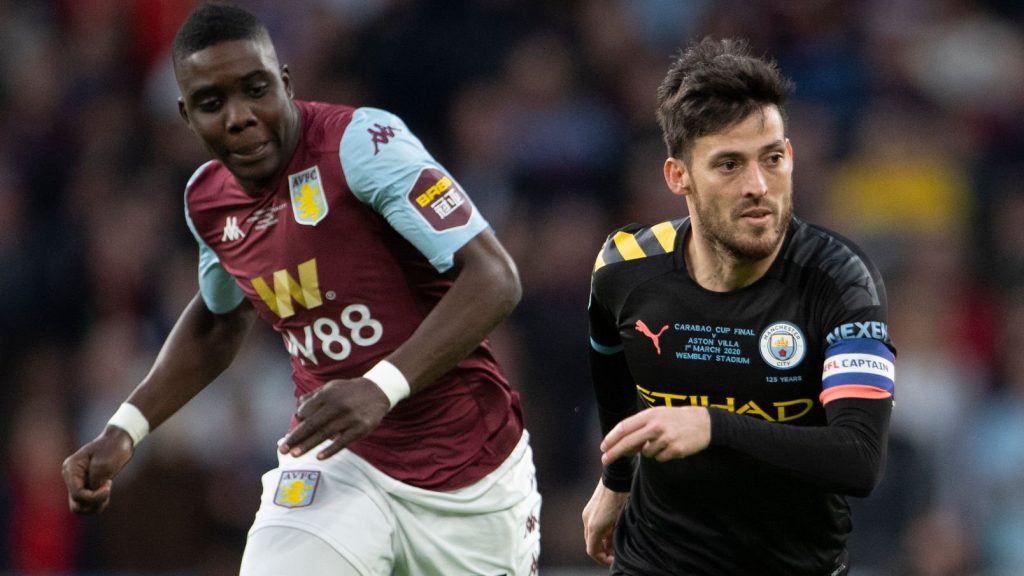
Fàbregas was not the only future Premier League great in that Spain team. Silva produced one of the tournament’s most dramatic individual interventions against South Korea.
Spain were 2–0 down in their group match when the substitute scored three times between the 65th and 76th minutes. An eleven-minute hat-trick turned a damaging defeat into a 3–2 victory and helped keep their campaign moving towards the final.
Silva finished the tournament with the Bronze Ball. His later years at Valencia and Manchester City established his reputation for finding space and solving crowded matches. In Finland, the evidence was more immediate: three goals that rescued a game Spain appeared to have lost.
6. Carlos Vela – Mexico, 2005
Mexico’s first U17 world title had a powerful attacking partnership at its centre: Giovani dos Santos creating problems between the lines and Vela finishing the chances.
Vela scored five times to win the Golden Boot in Peru. His final contribution mattered most: he headed Mexico in front against Brazil, setting them on the way to a 3–0 victory.
Arsenal followed, although his senior career took longer to find its most productive setting. He became an important player at Real Sociedad and later delivered a 34-goal regular season for LAFC, winning the 2019 MLS MVP award. Peru was the early showcase; his best club football developed over a much longer journey.
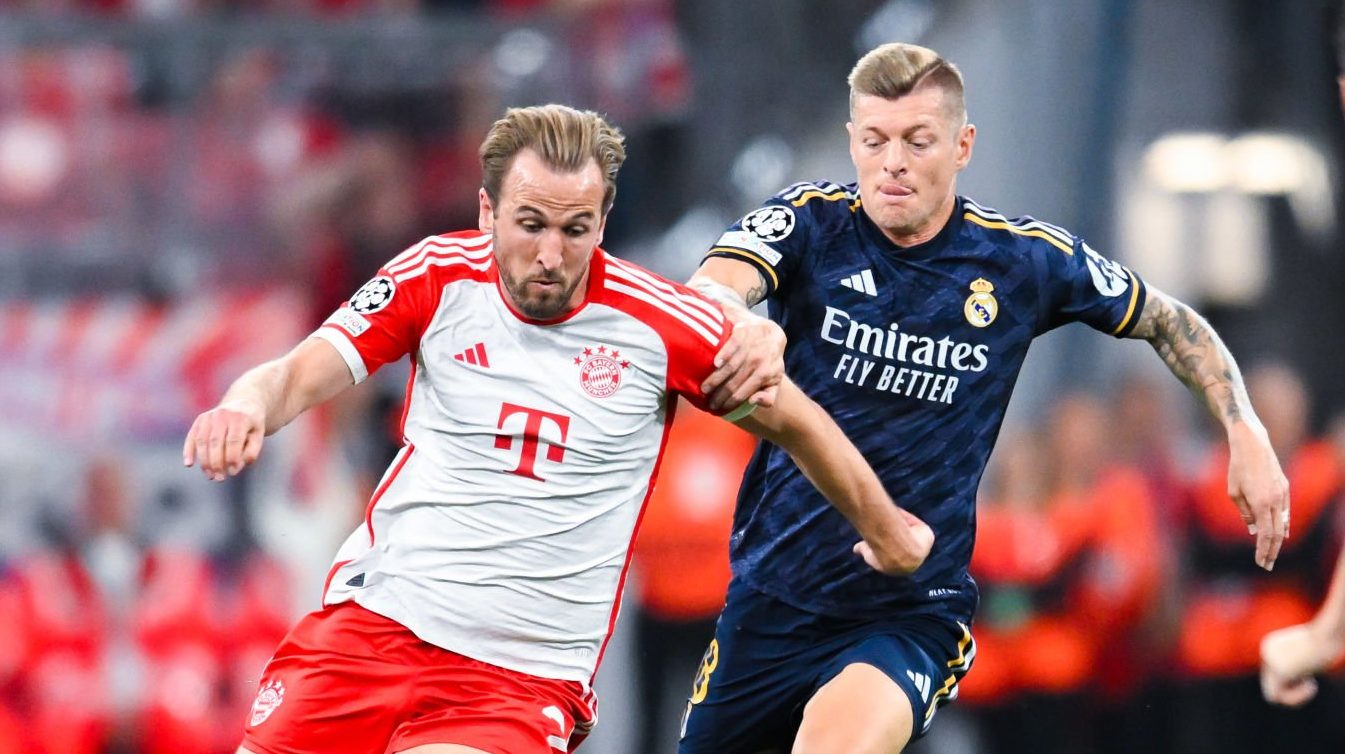
7. Toni Kroos – Germany, 2007
Germany finished third in South Korea, but Kroos won the Golden Ball after scoring five goals. His command of possession and clean striking of the ball were already recognisable features of his game.
The transition to senior football came quickly. Just 18 days after Germany secured their bronze medal, Kroos made his Bundesliga debut for Bayern Munich and provided two assists in a 5–0 win over Energie Cottbus.
His later career brought the 2014 World Cup and European success with Bayern and Real Madrid.
8. Son Heung-min – South Korea, 2009
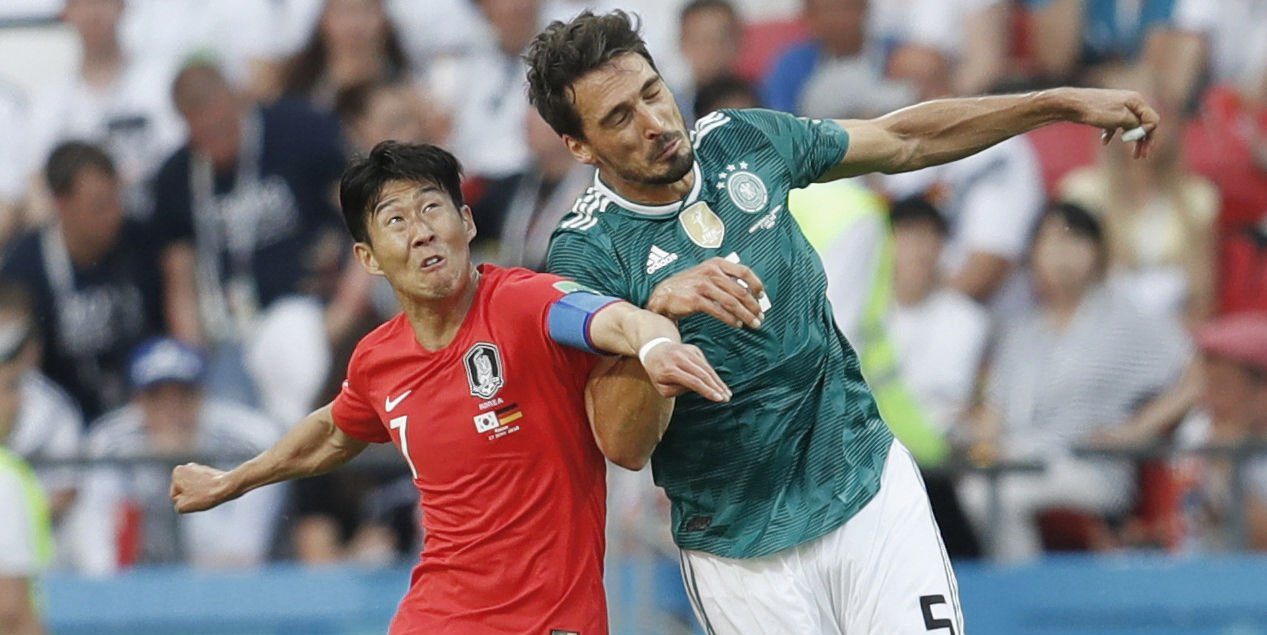
Son scored three goals as South Korea reached the quarter-finals in Nigeria. They included a goal against the hosts in the last eight, offering an early international demonstration of the finishing that would become central to his senior career.
His performances helped persuade Hamburg to offer him a professional contract. He subsequently progressed through the Bundesliga, moving to Bayer Leverkusen before joining Tottenham.
The career that followed included a shared Premier League Golden Boot in 2021/22, earned with 23 goals. His 2009 tournament provides an early chapter in that development, when his ability was beginning to attract attention beyond his immediate footballing environment.
9. Victor Osimhen – Nigeria, 2015
Osimhen’s performance in Chile was extraordinary even by the standards of a competition that has produced some prolific young forwards. He scored ten goals, setting a tournament record, and helped Nigeria retain the trophy.
He found the net in every one of Nigeria’s seven matches. That consistency made his Golden Boot campaign more than a collection of goals against weaker group opponents: he kept scoring as the stakes increased.
His senior breakthrough required patience. A difficult spell at Wolfsburg preceded progress elsewhere, including Lille and Napoli. In 2022/23, he helped Napoli win Serie A and finished as the league’s top scorer with 26 goals. The route was uneven; the goalscoring potential had been unmistakable.
When Osimhen scored 10 goals at the 2015 #U17WC 🇳🇬⚽️
— FIFA World Cup (@FIFAWorldCup) November 18, 2026
10. Phil Foden – England, 2017
Foden’s tournament ended with a performance that justified the attention surrounding him. England were 2–0 down to Spain in the final before recovering to win 5–2, with the Manchester City teenager scoring twice.
He finished with three goals and the Golden Ball as the tournament’s best player. His close control and ability to beat opponents stood out throughout the competition, while the final demonstrated how effectively he could turn that skill into a decisive contribution.
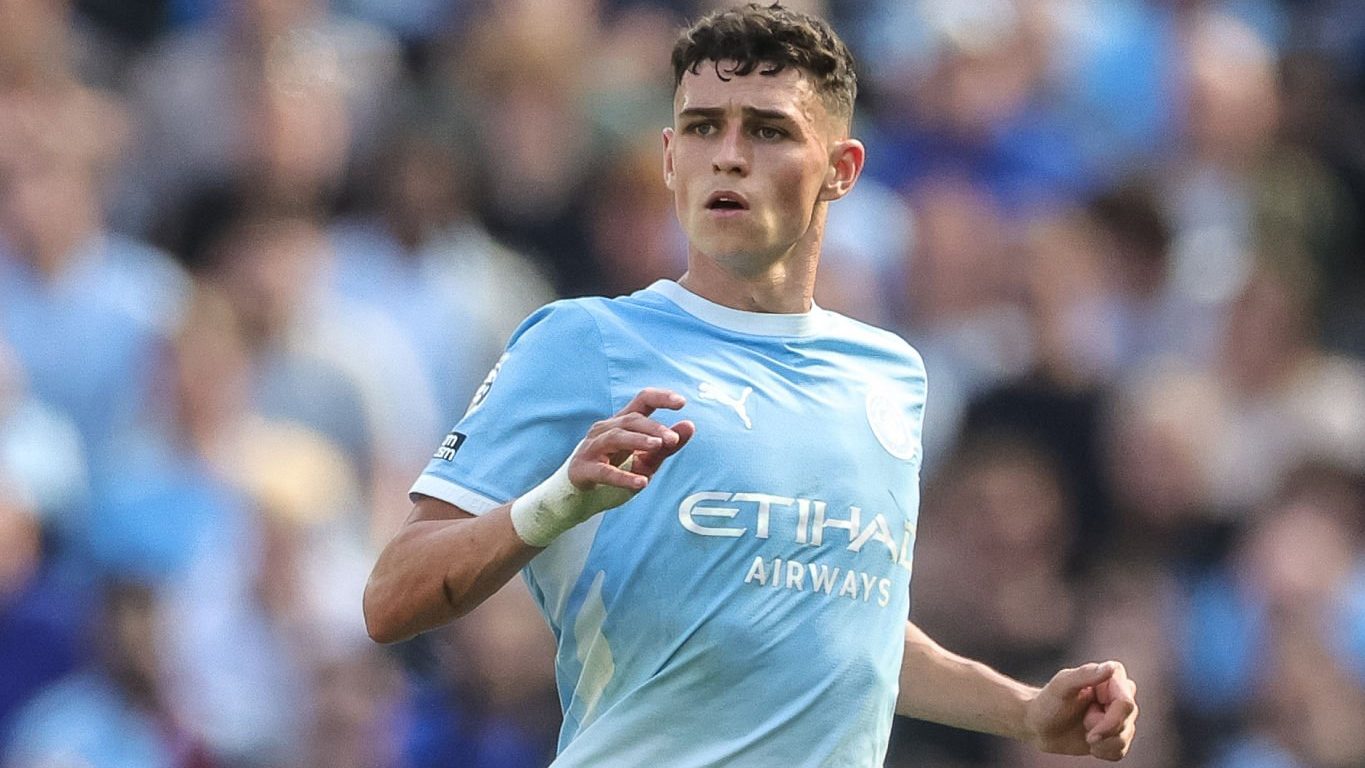
Foden subsequently became a major figure at City and won the Premier League’s Player of the Season award for 2023/24. For the wider story, read England’s U17 World Cup record and why they missed the 2026 tournament.
It’s all over – we are the #FIFAU17WC champions! 🏆
— England (@England) October 28, 2017
England’s official post celebrating their 2017 title.
Explore more of our World Cup coverage.
You’ve just read the article “Top 10 Footballers Who Shone at the U17 World Cup”. Follow 52Hz Football for more captivating stories about football, geography and culture.
READ MORE:
