Why do brands manufacture in developing countries? Lower labour costs are only part of an outsourcing model built around specialist factories, enormous production capacity and commercial flexibility.
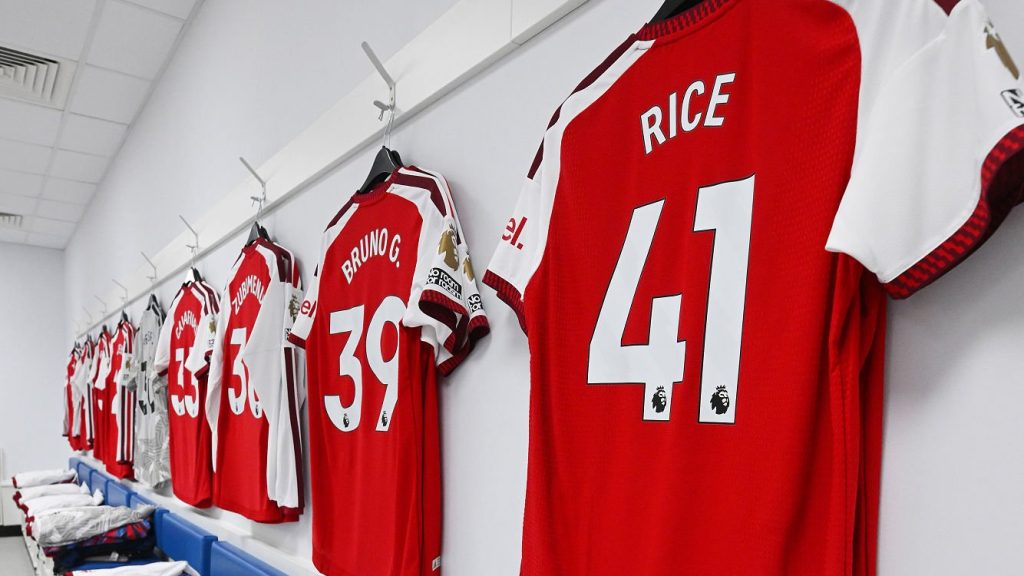
Check the label inside a football shirt, pair of boots or training jacket and there is a strong chance it was made thousands of miles from the country where the brand is based.
Cambodia, Bangladesh, Vietnam, China and Indonesia have become central to the supply chains of Nike, Adidas, Puma and many other international companies.
This model creates employment and export income. It can also leave factory workers carrying the human cost of low production prices, aggressive deadlines and intense competition between suppliers.
READ MORE:
The Hidden Cost of Official Football Shirts: £100 Kits and £1-an-Hour Workers
1. Most Major Brands Do Not Own Their Factories
A Nike football shirt or pair of Adidas boots is not necessarily made inside a factory owned by the company whose logo appears on the product.
Most sportswear brands concentrate on design, product development, sponsorship, marketing, distribution and retail. Manufacturing is contracted to independent suppliers, some of which produce goods for several competing companies.
Adidas states that it outsources most of its production and publishes lists covering primary suppliers, subcontractors and licensees. Its disclosures include separate supplier lists connected to major sporting events such as the FIFA World Cup.
Nike operates a similar model. Its public Manufacturing Map identifies independent factories and material suppliers involved in producing Nike products.
Outsourcing allows these companies to sell products around the world without building and operating hundreds of factories. It also transfers much of the manufacturing cost and operational risk to suppliers.
When demand falls, a brand can reduce an order. If a country becomes more expensive, future production can be moved elsewhere. A factory owner has less flexibility because the buildings, machinery and workforce remain in the original location.
2. Lower Labour Costs Still Matter
Clothing and footwear production can require a large amount of manual work. Fabric must be cut, panels sewn together, club badges applied, seams checked and completed products inspected and packed.
Automation has changed parts of the process, but many garments still require human hands. Labour costs therefore have a significant effect on the price paid to a supplier.
Wages in countries such as Bangladesh and Cambodia are considerably lower than in Western Europe or the United States. Moving labour-intensive production to these markets helps brands protect their margins while keeping retail prices competitive.
READ MORE:
7 Forgotten Football Kit Brands: From Liverpool’s Warriors to Bolton’s Reebok
Labour is not the only cost behind an expensive football shirt. The retail price can also include materials, design, licensing, sponsorship agreements, transport, marketing, retail operations, tax and profit.
Even so, a small saving on each item becomes substantial when a company orders millions of shirts, jackets or pairs of shoes. Brands and suppliers therefore negotiate intensely over amounts that may appear insignificant when viewed on a single product.
3. It Is Not Only About Finding the Cheapest Workers
If wages were the only consideration, every company would simply move production to whichever country offered the cheapest labour. Real supply chains are more complicated.
Vietnam, China, Bangladesh and Indonesia have spent decades building manufacturing knowledge. They offer experienced workers, factory managers, ports, warehouses, textile mills and companies capable of producing labels, zips, packaging and synthetic materials.
A manufacturer may be able to source fabric, print a design, assemble a garment, conduct quality checks and prepare an international shipment within the same industrial region.
Moving production to a country with lower wages could increase other costs. A new factory may lack skilled workers, reliable electricity, appropriate machinery or access to materials. Quality failures and shipping delays can quickly eliminate any wage savings.
Large sportswear companies are therefore not simply buying cheap labour. They are buying access to a complete manufacturing ecosystem.
4. Scale and Speed Are Major Advantages
Football brands need factories capable of handling enormous orders. A new international or club shirt may be released in dozens of markets on the same day, with additional stock required if demand exceeds expectations.
Factories in established production centres are designed to operate at this scale. They can employ thousands of workers and coordinate with other suppliers when one facility cannot complete an order alone.
This provides flexibility for the brand, but it can create pressure further down the supply chain. A supplier that misses a deadline may lose future contracts. Factory managers may respond by extending shifts, increasing daily production targets or sending work to another facility.
Supporters see a finished shirt arriving before the start of a new season. Workers experience the deadline required to place that shirt in shops on time.
Puma’s Made in Vietnam film provides a brand-produced view inside part of its footwear supply chain. It offers useful access, although it should not be treated as an independent factory investigation.
5. Governments Also Compete for Manufacturing
Developing countries do not simply wait for international companies to arrive. Governments often compete to attract manufacturing investment.
They may establish export-processing zones, improve ports, offer tax incentives or simplify customs procedures. Factories can create jobs, generate export revenue and help domestic businesses enter international supply chains.
The garment and footwear industries have provided formal employment to millions of people, including women and migrants who may previously have had limited access to paid work.
This is why the ethical answer cannot simply be for Nike, Adidas or Puma to leave developing countries. A sudden withdrawal could eliminate thousands of jobs and damage communities dependent on factory employment.
The more important question is whether those jobs provide safe conditions, reasonable hours and enough income for workers to live with dignity.
6. A Minimum Wage Is Not Necessarily a Living Wage
One of the most important distinctions in this debate is the difference between a minimum wage and a living wage.
A minimum wage is the legal floor established by a government. A living wage is intended to cover essential costs such as food, housing, transport, healthcare and education, while providing some protection against emergencies.
A supplier may comply with national law while still paying workers too little to meet those needs. Employees can then become dependent on overtime simply to cover normal household expenses.
READ MORE:
Sportswear companies often require factories to follow local wage legislation. That is a necessary starting point, but it does not settle the ethical question when the legal minimum remains below the estimated cost of living.
There is also a contradiction between public promises and commercial decisions. A brand may declare its support for fair wages while demanding lower prices and faster delivery. Suppliers cannot raise wages sustainably if buyers refuse to absorb any increase in production costs.
7. Purchasing Decisions Affect Factory Conditions
Poor working conditions are not created only by individual factory owners. Decisions made by the purchasing company can contribute to them.
A buyer may negotiate a lower price, change an order at short notice or impose a difficult deadline. The supplier must find a way to complete the work without losing money or damaging its relationship with a powerful international client.
This pressure can result in compulsory overtime, unrealistic production targets, temporary contracts or unauthorized subcontracting.

An International Labour Organization study has examined how purchasing practices can affect wages, working hours, workplace accidents and the use of temporary or outsourced labour.
This does not remove the factory owner’s responsibility to treat employees properly. It shows why conditions on the production line cannot be separated from prices and deadlines agreed in corporate offices thousands of miles away.
A code of conduct says one thing. The price and delivery date written into a purchase order may say another.
8. Rana Plaza Changed the Debate
The collapse of Rana Plaza in Bangladesh in April 2013 exposed the consequences of weak oversight inside a global clothing supply chain.
More than 1,100 people were killed and thousands were injured in a building that housed several garment factories. The disaster forced brands, governments and consumers to confront the conditions behind inexpensive clothing.
Rana Plaza led to new inspections, safety programmes and legally binding commitments covering fire and building safety. Thousands of factories were subsequently examined for structural, electrical and fire risks.
The disaster produced meaningful improvements in parts of Bangladesh’s garment industry. It also demonstrated how difficult it could be for consumers to discover where products were made and which companies were ultimately responsible.
Nike, Adidas and Puma now disclose considerably more information about their suppliers than sportswear companies did several decades ago. Transparency is valuable, but publishing a factory name does not automatically guarantee fair wages, reasonable working hours or freedom for workers to organise.
9. Why Factory Audits Do Not Solve Everything
Major sportswear companies require suppliers to follow codes covering wages, safety, forced labour, child labour, discrimination and working hours. Factories may be inspected by company representatives or external auditing firms.
These checks can identify unsafe buildings, missing fire equipment, incomplete wage records and other violations. They remain an important part of supply-chain management.
However, an audit records conditions at a particular moment. Workers may be reluctant to speak honestly if they fear losing their jobs. Documents can be incomplete, and an approved supplier may later transfer part of an order to an unauthorized subcontractor.
Puma has used factory visits, worker surveys and grievance channels as parts of its monitoring system. The company’s Made in Vietnam film also offers supporters a rare view inside a sportswear production facility.
Brand-produced material is not a replacement for independent scrutiny. A carefully filmed factory visit cannot reveal every wage dispute, production deadline or private conversation between workers and management.
Responsible sourcing therefore requires more than an annual inspection. Brands need independent worker feedback, effective complaint systems, realistic purchasing terms and long-term relationships with suppliers.

10. The Environmental Cost Is Often Outsourced Too
The ethical debate is not limited to wages and workplace safety.
Textile manufacturing can consume large quantities of water and energy. Dyeing and finishing may create polluted wastewater, while polyester and other synthetic fabrics depend heavily on fossil-fuel-based materials.
Production often takes place in countries where environmental regulation is weaker, enforcement resources are limited or local governments place industrial growth above pollution controls.
Consumers in wealthy markets receive the finished shirts and boots. Communities near production facilities may experience the effects on rivers, air quality and local water supplies.
Governments must enforce environmental law, and factory owners must operate responsibly. However, brands choose suppliers, determine materials and influence production volumes. They cannot treat pollution as unrelated to them simply because it occurs at an independently owned facility.
11. Who Is Responsible?
Responsibility is distributed across the supply chain, but it is not distributed equally.
Factories employ workers and control everyday conditions. Governments establish labour law and determine how seriously it is enforced. Football clubs license their badges and enter commercial agreements with kit manufacturers. Retailers decide how products are presented and sold.
The brands still possess enormous influence. They select suppliers, negotiate prices, establish deadlines and decide whether a factory continues receiving orders.
Football clubs also have a role. A club may not operate the factory producing its shirts, but its identity gives the product much of its commercial value. Clubs can demand stronger labour and environmental requirements when negotiating kit agreements.
Supporters are often asked to pay premium prices for official merchandise. It is reasonable for them to expect clubs and manufacturers to know where those products came from and under what conditions they were made.

12. Are Consumers Part of the Problem?
Consumer demand contributes to the pressure for cheap and rapidly changing products. Supporters regularly buy new home, away and third shirts even when the previous versions remain usable.
However, it would be unfair to place the main responsibility on individual buyers. Consumers rarely know what a factory was paid, how much its workers earned or what deadline was imposed by the brand.
Companies possess far more information and bargaining power. They determine where production takes place, which suppliers receive contracts and how much time and money factories are given to complete an order.
Consumers can still influence the system by buying fewer products, keeping shirts for longer, using second-hand markets and supporting companies that disclose meaningful supply-chain information.
Those choices matter, but the largest changes must come from brands, clubs, governments and regulators rather than from expecting every supporter to investigate an international supply chain alone.
13. Can Manufacturing in Developing Countries Be Ethical?
Producing football shirts or boots in a developing country is not inherently unethical. A factory’s location does not determine whether its workers are respected.
Manufacturing can support economic development, improve skills and provide stable incomes. The ethical problem begins when poverty, low wages and limited worker power become part of the competitive advantage offered to international brands.
A more responsible system would include longer supplier relationships, realistic deadlines, prices that allow wages to rise, independent worker representation and disclosure beyond the factories that assemble the final product.
The OECD’s guidance for garment and footwear supply chains treats due diligence as a continuing process. Companies should identify risks, prevent or reduce harm, monitor results and explain how problems are being addressed.
Passing one inspection or publishing a code of conduct is not enough.
Ethical production does not necessarily require retail prices to increase dramatically. Labour represents only one part of the price of an official football shirt. It may instead require brands, clubs, retailers and investors to accept that every possible saving should not come at the expense of workers.

Final Thoughts
Major brands manufacture in developing countries because those markets offer lower costs, specialist knowledge, enormous capacity and commercial flexibility. Host countries gain employment, exports and industrial development, while consumers receive a wide range of products.
Those benefits are real. So are the ethical risks.
The question is not whether international manufacturing should disappear. It is whether the companies with the greatest power are prepared to pay enough, allow enough time and provide enough oversight for production to take place without exploiting the people doing the work.
A label reading “Made in Vietnam” or “Made in Bangladesh” should not automatically be treated as evidence of abuse. Nor should a Nike swoosh, Adidas logo or Puma cat be accepted as proof that everybody behind the product was treated fairly.
The conditions hidden behind that label depend on decisions made throughout the supply chain, from the factory floor to the football club and corporate boardroom.
You have just read “Why Do Brands Manufacture in Developing Countries?“. Follow 52Hz Football for more stories about football shirts, global brands and the business behind the products supporters buy.
