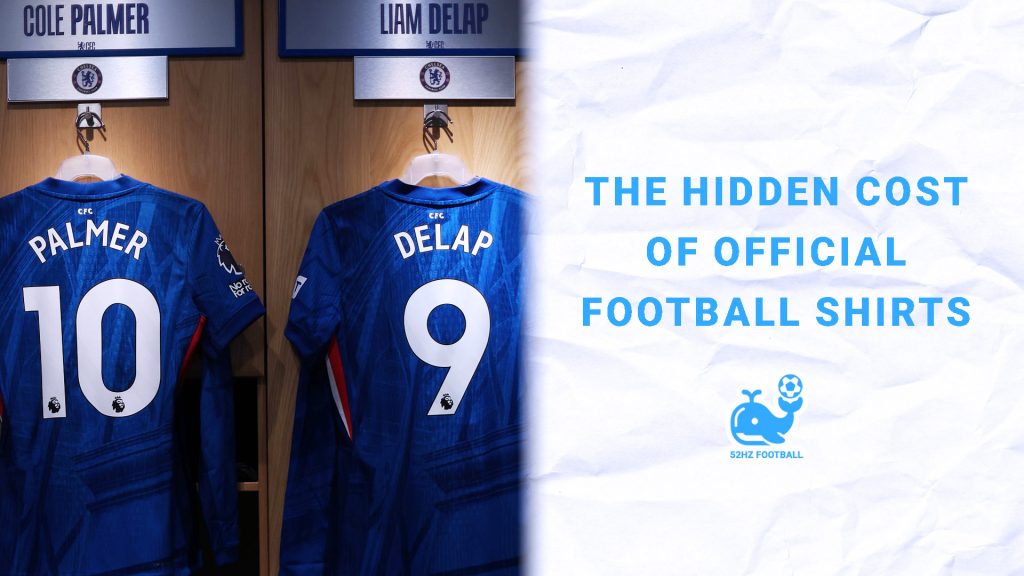
Buying an official football shirt is supposed to be one of the simplest ways to support a club. The badge is genuine, the design matches what the players wear and part of the money returns to the football industry.
The journey behind that shirt is much less visible.
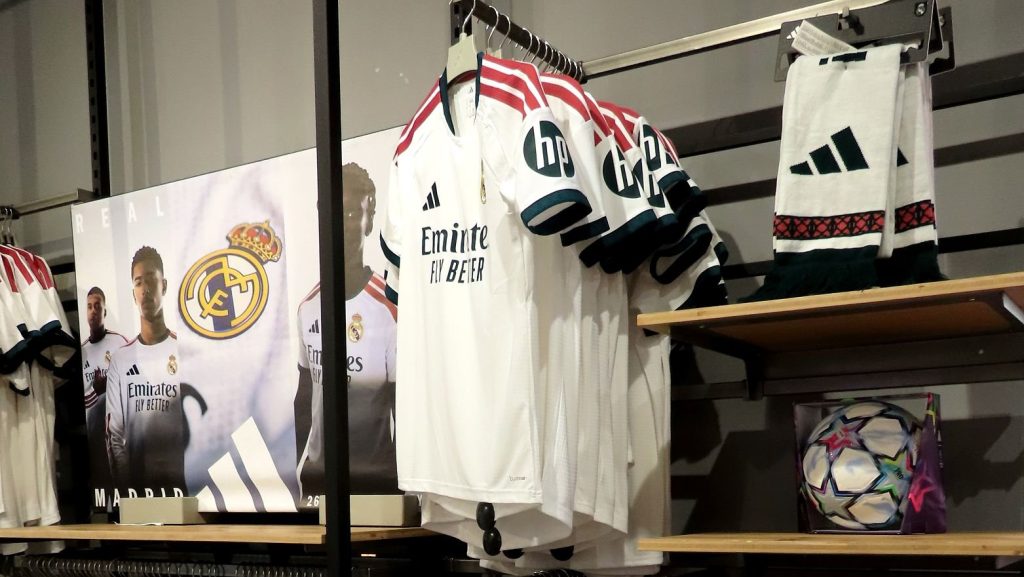
An investigation published by BBC Sport in October 2026 traced official Arsenal, Liverpool, Celtic and Real Madrid merchandise to two factories in Cambodia. Workers producing those items received a basic wage of less than £1 an hour while some of the finished shirts were sold in Britain for £85, £95 or even £120.
It is a striking contrast, but the story is not as simple as a £100 shirt being made for £1. Manufacturing, licensing, retail, tax and sponsorship agreements all contribute to the final price.
The more uncomfortable question is why concerns about low wages and working conditions have continued to appear throughout the football merchandise industry for more than two decades.
1. What Did the BBC Investigation Find?
The BBC Sport investigation followed the production of official Adidas merchandise to Bowker Garment Factory and Trax Apparel in Cambodia.
Images obtained from inside the factories showed products linked to Arsenal, Liverpool, Celtic and Real Madrid. Other Adidas kits were also visible, including merchandise associated with Aston Villa and Benfica.
Around 3,400 people work at Bowker, while Trax employs approximately 3,200. Most of the workers at Trax are women.
Employees typically work six eight-hour shifts each week. Five payslips examined by the BBC showed basic monthly salaries of between $210 and $220, equivalent to approximately £158-£166 at the time of the report.
That works out at a basic hourly rate of less than £1.
The workers were not paid £1 to make an entire shirt, as some social-media posts have suggested. Football kits are assembled on production lines, with different employees responsible for sewing, ironing, checking, packaging and other tasks.
Workers said their production lines were expected to process between 300 and 700 items in a day. Their total earnings could rise to around $300 per month after overtime and allowances, but reaching that figure required considerable additional work.
The reported salaries complied with Cambodia’s minimum-wage laws. However, several workers told the BBC that the money was still insufficient once rent, food, utilities and family costs had been paid.
2. Low Pay Was Not the Only Concern
The investigation also reported complaints about conditions inside the factories.
A thermometer photographed at Bowker showed a temperature of 35.2°C. Employees described intense heat, pressure to meet production targets, verbal abuse when targets were missed and concerns about electrical equipment.
One worker said action was taken only after receiving two electric shocks from an exposed wire.
Adidas said both factories had heat-management measures and that harassment was prohibited under its workplace standards. The company also said it found no recorded electrical accident matching the allegation at Bowker.
Trax acknowledged that temperatures could become elevated but said cooling systems were available. It also disputed the suggestion that its management model depended upon forcing employees to meet output targets.
The claims nevertheless fit a wider pattern within Cambodia’s clothing industry. The Better Factories Cambodia Annual Report 2024, produced through a programme involving the International Labour Organization and International Finance Corporation, recorded widespread compliance concerns across the country’s garment sector.
The figures cited by the BBC indicated problems involving heat at 69% of assessed factories and concerns over worker protection at 84%.
3. How Does an £85 Football Shirt Become So Expensive?
The wage received by a factory worker represents only a small part of the retail price.
An illustrative breakdown cited by the BBC estimated how the money from a typical £85 football shirt could be divided:
- Fabric, sewing and shipping: approximately £8.50
- Retailer: approximately £37.45
- Manufacturer: approximately £16.25
- Marketing: approximately £9.50
- VAT: approximately £13.60
These figures are approximate estimates rather than a universal formula. The division changes depending on where a shirt is sold, whether the club operates the shop, the terms of the kit agreement and whether the item is discounted.
The retailer’s share should not be treated entirely as profit. It must cover staff, rent, warehousing, payment fees, unsold stock and other operating costs.
Manufacturers also spend money on design, technology, distribution, marketing and large kit contracts with leading clubs. Adidas, Nike and Puma can commit hundreds of millions of pounds to secure the right to produce merchandise for the biggest teams.
Those costs explain part of the price. They do not fully answer why the people performing the physical production receive such a small proportion of it.
4. Football Shirt Prices Have Risen Much Faster Than Wages
The BBC calculated that the average price of an adult Premier League replica shirt had increased by approximately 50.7% over the previous decade.
A separate analysis by the Economics Observatory put the average adult Premier League replica shirt at £76.95 in 2026/27, compared with £47.40 in 2014/15.
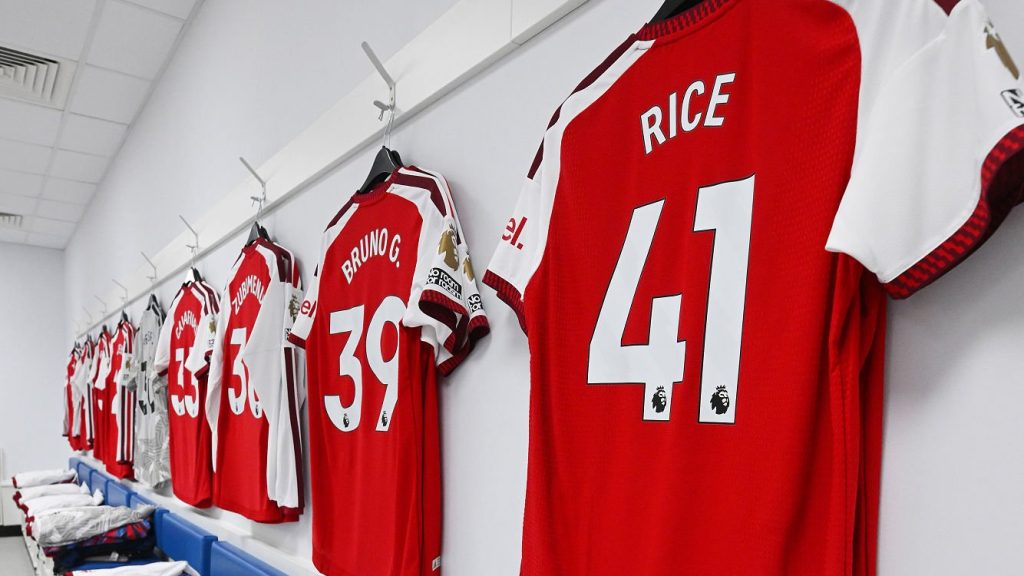
An Arsenal replica shirt was priced at £85, while the version made to the same specification as the players’ shirt cost £120. Adding a name, number, competition badge or delivery fee could push the final amount higher.
READ MORE:
A family buying home shirts for two adults and two children could therefore spend several hundred pounds before purchasing match tickets or television subscriptions.
The increase cannot be explained by inflation alone. Modern shirts use lighter materials and more complicated manufacturing techniques, but their commercial value also comes from exclusivity.
Supporters are not simply buying polyester. They are buying a club badge, a seasonal design and the emotional feeling of belonging to a team.
That loyalty gives clubs and manufacturers significant pricing power.
5. Adidas Does Not Own the Cambodian Factories
Responsibility for working conditions is divided across a long supply chain.
Adidas does not own Bowker or Trax. The workers are employed by the factories, which manufacture products for the German sportswear company under commercial agreements.
However, both factories are primary Adidas suppliers and are therefore expected to follow the company’s workplace standards.
Adidas says it conducts around 1,200 factory audits each year and works with suppliers to correct problems. Its official fair-compensation data showed an average net wage of $302 across eight Cambodian supplier factories in 2023.
According to the company, that average was 51% above Cambodia’s legal minimum wage and 34% above the living-wage reference value it used.
This does not necessarily contradict the payslips examined by the BBC. Adidas published an average across a sample of factories, while the BBC reported the basic salaries of individual employees. Allowances, bonuses and overtime can move total monthly pay closer to the Adidas average.
The disagreement is therefore not only about the numbers. It is also about what should count as fair compensation.
A salary can comply with the law and still leave a worker dependent on overtime to cover basic living costs.
6. This Is Not a New Football Industry Problem
The latest investigation attracted attention because it connected famous clubs and expensive shirts with workers earning less than £1 an hour. Similar concerns have appeared repeatedly.
In 2000, The Guardian reported on allegations involving Adidas suppliers and low-paid workers in Asia. The report also revisited the discovery of footballs carrying the Manchester United badge being made by child labourers in India before the 1998 World Cup.
Another report published that year described allegations of forced overtime, physical abuse and poverty-level wages at Indonesian factories producing Adidas goods. Adidas said it did not tolerate child labour and maintained standards covering wages and working conditions.
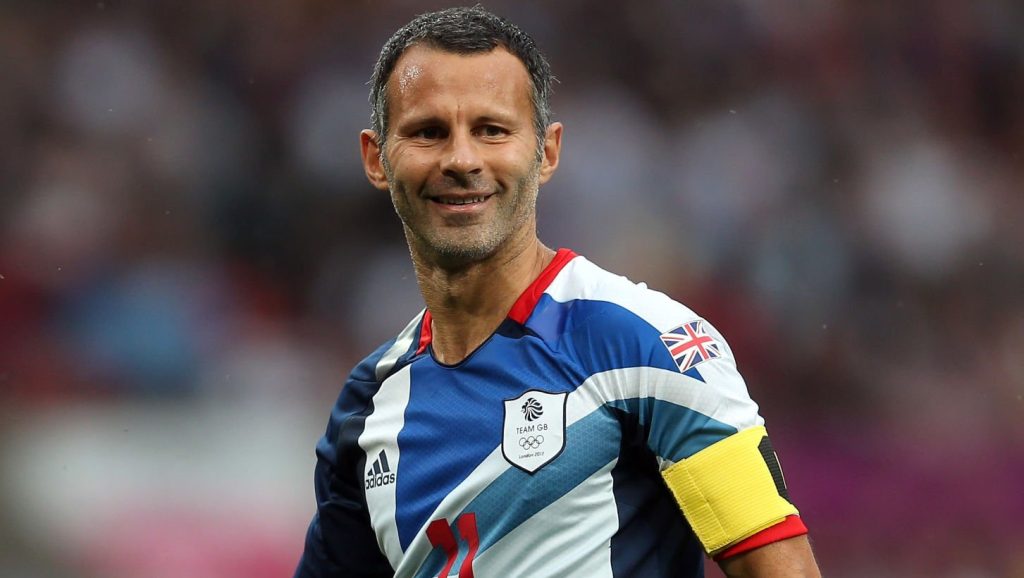
Ahead of the 2012 London Olympics, further investigations examined conditions at factories producing Adidas Olympic clothing. The allegations included excessive working hours and extremely low wages.
Adidas said it had systems for inspecting suppliers and taking enforcement action when serious problems were identified.
The relationship between football revenue and factory pay received renewed attention during the 2014 World Cup. At the time, Adidas expected football-related sales of approximately €2 billion, while Cambodian garment workers were campaigning for higher wages.
A Guardian analysis published during the tournament asked whether workers making Adidas products would share in the company’s World Cup success.
The numbers have changed since then, but the central dispute has remained remarkably similar: brands and clubs generate enormous value from football merchandise, while workers argue that little of that value reaches the production line.
7. The Trax Factory Had Already Faced a Union Dispute
Trax Apparel did not first enter the public discussion in 2026.
In 2020, eight workers connected with a newly formed union lost their jobs at the factory. Labour organisations argued that they had been targeted for attempting to organise workers and seek improved conditions.
The case was later documented by the Business & Human Rights Resource Centre. A subsequent agreement gave the workers an opportunity to return with back pay.
Campaigners presented the dispute as an example of how difficult it can be for garment workers to challenge factory management collectively.
During the pandemic, the Clean Clothes Campaign estimated that workers across Cambodia’s garment industry lost $109 million in wages during lockdown periods in April and May 2021.
The organisation linked approximately $11.7 million of alleged losses to 30,190 workers at eight Adidas supplier factories. These figures represent the calculations of labour organisations and unions rather than a court judgment.
Adidas responded that its manufacturing partners had followed government rules on temporary closures and reduced working hours.
These competing accounts show why factory audits alone may not settle the issue. Brands, suppliers, unions and workers can interpret the same wage records and employment decisions very differently.
8. Who Is Responsible for the Conditions Behind Football Shirts?
No single company controls every stage of football shirt production. Responsibility is divided across the supply chain.
- Factories employ workers and manage daily working conditions.
- Kit manufacturers choose suppliers, negotiate contracts and establish labour standards.
- Football clubs license their names, badges and commercial rights.
- Retailers decide how products are sold and how much pricing information is shared with customers.
That division can make accountability difficult. A club may say that it does not operate the factory, while a sportswear company may point to an independent supplier. Yet the commercial value of the product ultimately depends on the club badge and the manufacturer’s brand.
Clubs may not determine individual workers’ wages, but they can still demand stronger standards from their commercial partners. Supporters increasingly expect teams to consider how official merchandise is produced, not simply how much revenue it generates.
9. Have Working Conditions Improved?
There has been progress in parts of the garment industry. Public scrutiny has encouraged major brands to publish more supplier information, introduce workplace standards and commission factory inspections.
However, an audit does not automatically guarantee good conditions. Workers may still face low pay, production pressure, compulsory overtime or limited freedom to raise complaints.
The challenge is not only whether a factory follows minimum legal requirements. It is also whether workers earn enough to support themselves and their families without relying on excessive overtime.
10. Can Supporters Make a Difference?
Most supporters cannot investigate an international supply chain themselves, but they can still ask useful questions before buying a shirt.
- Does the manufacturer publish a current supplier list?
- Has the company explained its wage and labour policies?
- Is the club transparent about the standards expected from commercial partners?
- Are previous-season shirts or second-hand options available?
- Can the shirt be worn for several years instead of being replaced every season?
Buying fewer products, choosing second-hand shirts and keeping kits for longer can reduce both expense and waste. Supporters can also ask clubs and manufacturers for clearer information about where official merchandise is made.
11. Final Thoughts
An official football shirt may sell for more than £80, but only a small part of that price reflects the labour used to assemble it. Sponsorship agreements, licensing fees, retail costs, transport, marketing and profit account for much of the remaining value.
The concern is not that factories receive the entire retail price. The concern is whether the people making a premium product receive fair pay, safe conditions and a meaningful share of the value created by their work.
Football clubs and sportswear companies benefit from supporters’ loyalty. Greater transparency about suppliers, wages and factory standards should therefore be treated as part of the product rather than an optional extra.
You have just read “The Hidden Cost Behind Official Football Shirts“. Follow 52Hz Football for more stories about football business, kits and the industry behind the game.
