Carlos Tevez made crossing Manchester look like football’s ultimate betrayal. Yet Manchester United and Manchester City once shared players regularly. Why have transfers between the two clubs now almost disappeared?
Tevez’s move in 2009 was treated like an act of war. Manchester City announced their new signing with the now-famous “Welcome to Manchester” billboard, while Manchester United supporters watched one of their former favourites join a rapidly emerging rival.
Moving between the two clubs had not always caused such outrage.
The complete list of players who played for both Manchester United and Manchester City contains 39 men. Most appeared long before the Premier League began, when footballers changed clubs for different reasons and the Manchester derby had not become a global event.
Today, even an ordinary squad player moving directly between the clubs would be major news. The rivalry has changed, but so has the entire transfer market.
1. Manchester United and Manchester City Once Shared Players Regularly
The early history of the Manchester derby bears little resemblance to the modern rivalry.
During the late 19th and early 20th centuries, clubs recruited heavily from their surrounding area. International scouting networks did not exist, transport was less convenient and footballers were not earning the life-changing salaries available today.
Signing a player who already lived in Manchester was practical. He did not need to relocate his family or adapt to another country, while the buying club already knew his reputation.
Supporters were also less rigidly divided. Some local fans attended matches involving both teams, particularly when the clubs played at home on different weekends. Manchester City and Manchester United were rivals, but supporting one did not always require complete hostility towards the other.
Several early transfers were produced by unusual circumstances rather than a friendly relationship between the clubs. The best example came after Manchester City’s financial scandal in 1905 and 1906.
City were found to have broken rules governing player payments. Seventeen current and former players were suspended, while several directors were also punished. A detailed account of the investigation and its consequences can be found in The Guardian’s history of the case.
Manchester United subsequently signed Billy Meredith, Sandy Turnbull, Jimmy Bannister and Herbert Burgess.
Those players helped transform United. Meredith and Turnbull were central to the club’s first league championship in 1908, while Turnbull scored the winning goal in the 1909 FA Cup final.
Meredith later returned to City in 1921. His remarkable career, including his time with both Manchester clubs, is documented in Manchester City’s official profile of football’s “first superstar”.
A transfer raid of that size would be almost unimaginable now.
2. The Clubs Were Not Always Direct Rivals
For much of their history, Manchester United and Manchester City were not competing for the same prizes.
Both clubs experienced relegation, financial uncertainty and long periods without major trophies. One could be challenging near the top while the other was playing outside the First Division.
Under those circumstances, allowing a player to cross Manchester did not necessarily mean strengthening a direct title rival.
The contrast was particularly clear during the 1990s. Manchester United became the dominant force in English football under Sir Alex Ferguson, while City dropped as far as the third tier.
That difference made Terry Cooke’s move possible in 1999. Cooke had emerged from United’s academy but could not displace David Beckham on the right side of midfield. City offered regular football and used him during their promotion campaign.
He initially joined on loan before the transfer became permanent. Contemporary reports described the final deal as potentially worth £1 million, as covered by The Independent in April 1999.
Cooke remains the most recent senior player to complete a conventional transfer directly between the two clubs. The deal helped City, but it did not threaten Manchester United’s position at the top of English football.
3. Everything Changed After Manchester City’s 2008 Takeover
Manchester City’s 2008 takeover changed the sporting relationship between the clubs.
City suddenly had the financial power to compete for elite players, managers, sponsorship revenue and major trophies. Manchester United were no longer dealing with a struggling neighbour. They were facing a club capable of building one of the strongest squads in Europe.
City immediately demonstrated their ambition by signing Robinho and attempting to compete with United for leading players. Sir Alex Ferguson publicly dismissed the threat at first, but the takeover had already changed the transfer market around both clubs.
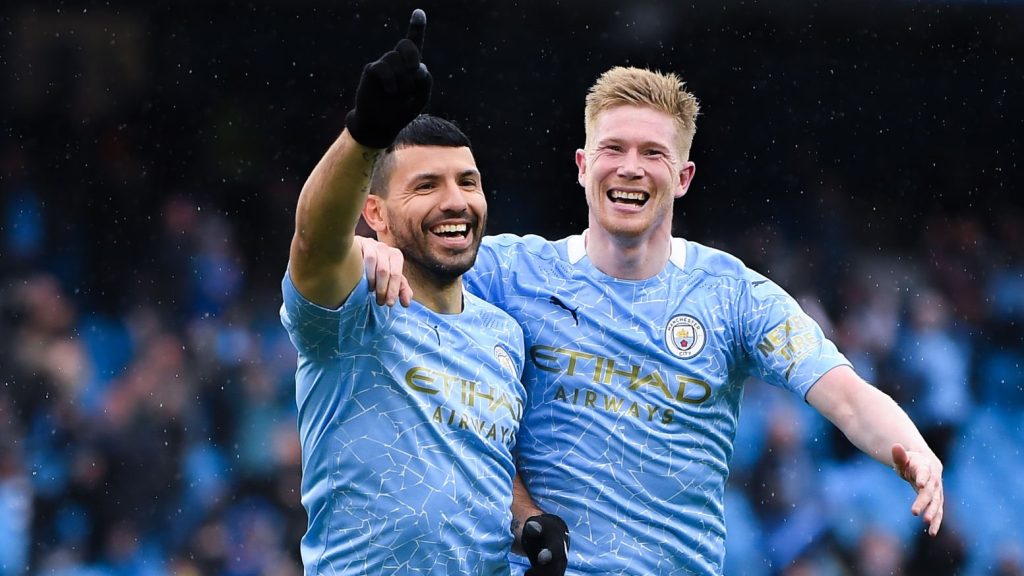
Their rise turned the derby into a contest for domestic supremacy. City’s 2011/12 Premier League title, secured on goal difference ahead of United, confirmed that the balance of power had shifted.
The clubs have since experienced different cycles of success, but they continue to compete for Champions League places, trophies, commercial growth and many of the same transfer targets. ESPN’s account of the changing relationship between the two Manchester clubs shows how often control of the city has moved during their history.
Selling a useful player to the other side now carries an obvious risk. Someone considered replaceable by one club could become decisive for the other.
4. The Carlos Tevez Transfer Made the Divide Wider
Carlos Tevez did not complete a straightforward club-to-club transfer. His registration arrangement at Manchester United had ended, allowing Manchester City to negotiate his next move without buying him directly from United.
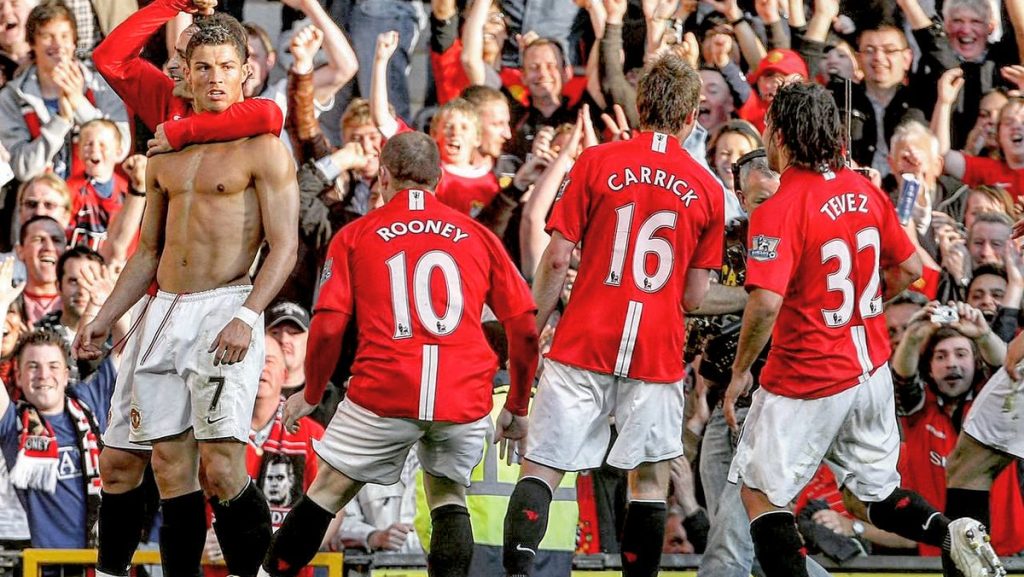
To supporters, the contractual details barely mattered. Tevez had played 99 matches for Manchester United, won two Premier League titles and lifted the Champions League. He then immediately appeared in a Manchester City shirt.
City deliberately presented the signing as a statement of intent. The “Welcome to Manchester” billboard suggested that Tevez had left an artificial or distant institution and joined the city’s authentic club.
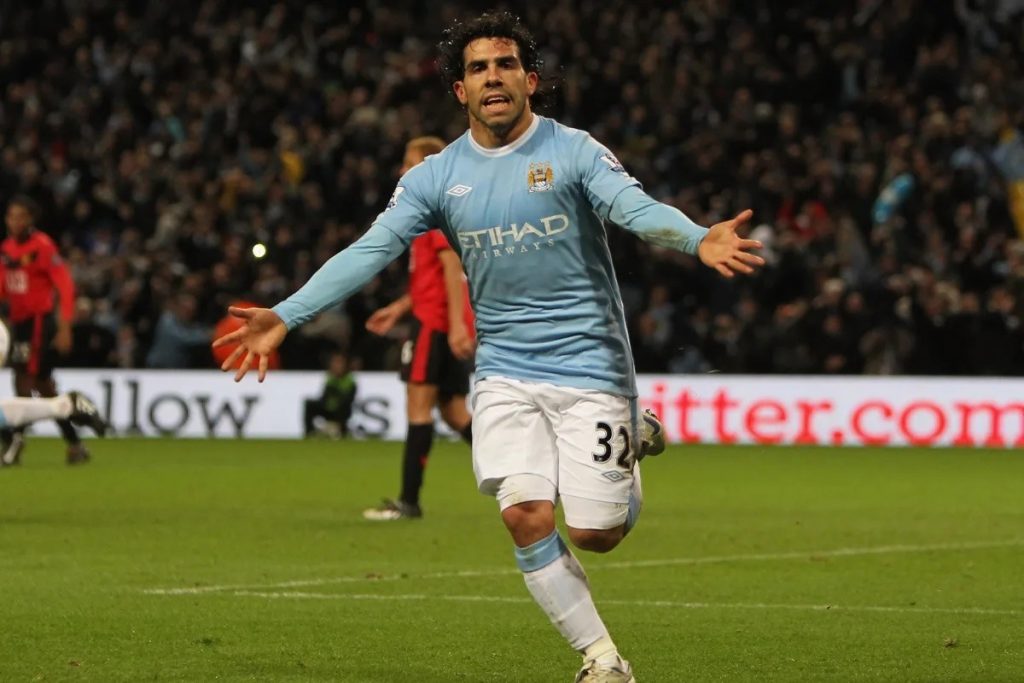
Former City manager Mark Hughes later admitted that the campaign was designed to irritate Sir Alex Ferguson. The dispute surrounding the poster was reported at the time by The Guardian.
The promotion worked because it angered United. More importantly, Tevez succeeded at City.
He became captain, helped the club win the 2011 FA Cup and contributed to the Premier League triumph the following season. His success showed why clubs hesitate to sell to a local rival: if the player performs well, every goal becomes a reminder that the other team allowed him to leave.
6. The Commercial Risk Is Bigger Than the Transfer Fee
A direct transfer between Manchester United and Manchester City would be judged as more than a football decision.
Both clubs have worldwide fan bases and carefully managed commercial identities. Selling an established player to the other side could be interpreted as weakness, particularly if the buying club announced the move aggressively.
The reaction would not be limited to Manchester. Supporters, sponsors, broadcasters and social media accounts would turn the transfer into an international story.
A sporting director would therefore need to consider several questions:
- Could this player improve our rival?
- How will supporters react?
- What happens if he scores against us?
- Will accepting the deal make the club appear financially or competitively weaker?
- Can we find another buyer outside Manchester?
These fears are not unique to the Manchester clubs. Chelsea’s decision to sell Nemanja Matić to Manchester United in 2017, for example, immediately produced debate over whether a title contender had strengthened a direct rival. That concern was examined by The Guardian after the transfer.
Unless the offer is clearly better than every alternative, refusing to negotiate may be the safer decision.
7. Why Real Madrid and Barcelona Traded More Players
Manchester is not the only place where footballers have crossed a seemingly impossible divide.
Real Madrid and Barcelona have completed 19 direct senior transfers, including Luís Figo, Luis Enrique, Michael Laudrup and Bernd Schuster. However, most occurred before the modern commercial era.
Javier Saviola was the last player to move directly between the two first teams when he joined Real Madrid on a free transfer in 2007. His arrival and four-year contract were confirmed by UEFA.
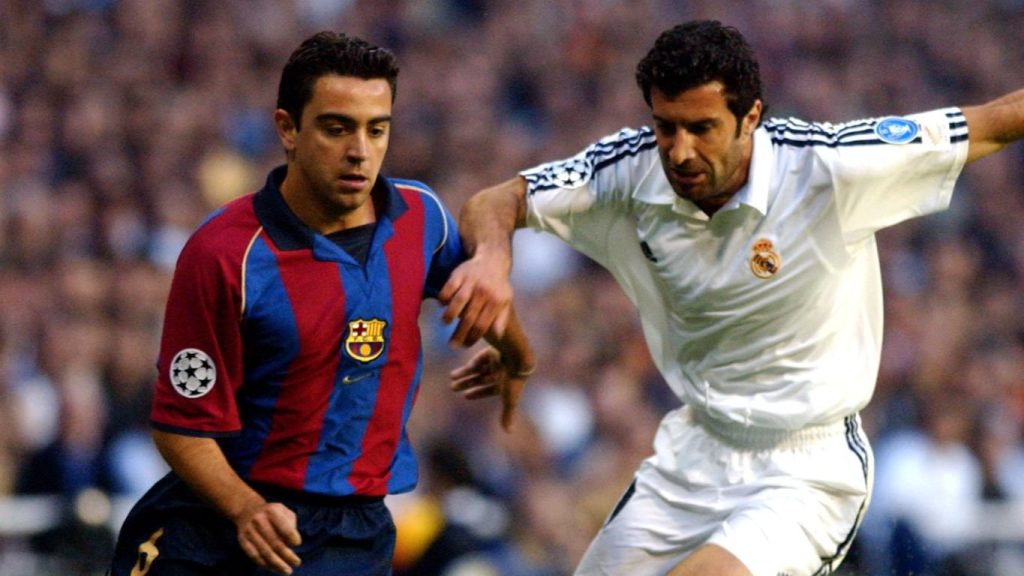
The Spanish rivalry was also shaped by release clauses. When Real Madrid activated Figo’s clause in 2000, Barcelona could not simply reject the move once its legal conditions had been satisfied.
Our article explaining why Real Madrid and Barcelona traded so many players examines those historical transfers, Spanish contract rules and the role of third-party clubs in greater detail.
In reality, the two rivalries now follow a similar pattern. Both produced many shared players in the past, but direct transfers became rarer as the clubs grew into global businesses competing for the same trophies.
8. Why Transfers Between AC Milan and Inter Are More Common
AC Milan and Inter Milan offer a different model.
Players including Andrea Pirlo, Clarence Seedorf and Hakan Çalhanoğlu have crossed directly between the clubs. The rivalry is intense, but transfers have historically been treated more pragmatically than moves between Manchester United and Manchester City.
The shared use of San Siro also meant a player could change clubs without changing his home, stadium or city. Italian clubs have frequently used loans, exchanges and free transfers to solve short-term squad or financial problems.
Pirlo joined Milan from Inter in 2001, while Seedorf followed one year later. AC Milan’s official website has described how the two deals helped assemble the midfield that won the 2003 Champions League, including the exchange negotiations behind their arrivals.
The full story can be read in AC Milan’s account of the Pirlo and Seedorf transfers.
9. Bayern Munich and Borussia Dortmund Show the Importance of Power
Bayern Munich and Borussia Dortmund have also exchanged major players, including Mario Götze, Robert Lewandowski and Mats Hummels.
Those moves were possible partly because the competitive relationship was unequal. Bayern possessed greater financial power and could offer higher salaries and a more reliable opportunity to win trophies.
Lewandowski joined Bayern on a free transfer after completing his Dortmund contract. Dortmund could refuse to sell him one year earlier, but it could not prevent him from leaving once the contract expired.
Hummels travelled in both directions, returning to Bayern in 2016 before Dortmund bought him back three years later. SPORT1’s history of players who represented Bayern and Dortmund illustrates how frequently the clubs have negotiated despite their rivalry.
This is different from modern Manchester, where both clubs possess the financial strength to retain important players and find buyers elsewhere.
10. Manchester United and Liverpool Are Even More Restrictive
The clearest English comparison is Manchester United’s rivalry with Liverpool.
No senior player has transferred directly between the clubs since Phil Chisnall moved from Manchester United to Liverpool in April 1964.
Liverpool’s official profile of Chisnall identifies him as the last player to complete the direct journey. He made nine appearances and scored twice for the Anfield club.
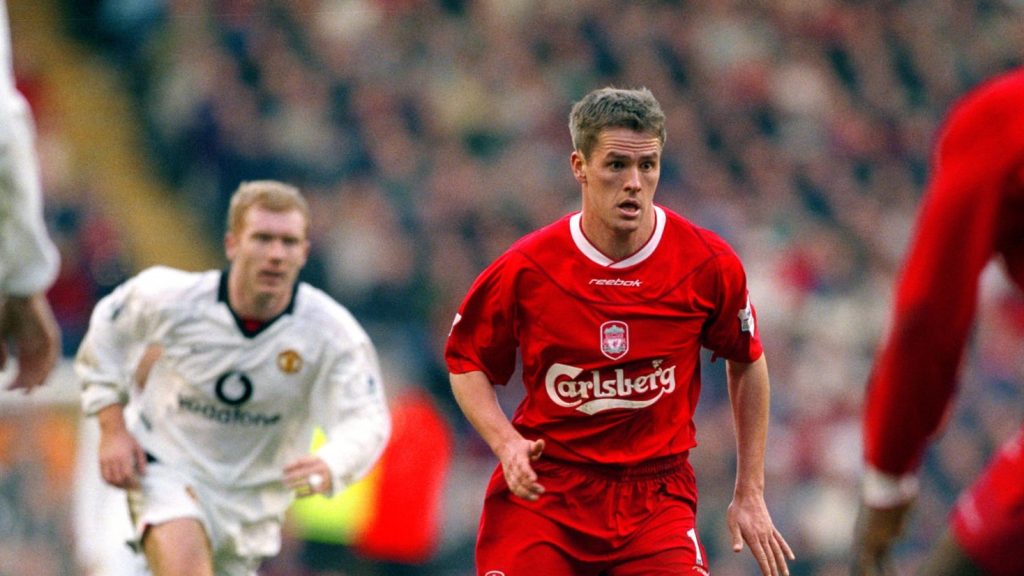
The transfer silence has survived periods in which one club was much stronger than the other. This suggests that geography alone does not determine transfer activity. The decisive factors are the intensity of the rivalry, the risk of strengthening a competitor and the reaction a deal would create.
Manchester United and Manchester City have not yet reached Liverpool–United levels of separation, but their modern relationship is moving in that direction.
11. Could a Direct Manchester Transfer Happen Again?
There is no regulation preventing Manchester United and Manchester City from buying players from each other.
A future move would be most realistic under one of four circumstances:
- A fringe player needs regular football.
- A veteran has already been released.
- An academy player moves before establishing himself in the first team.
- A contract is close to expiring, reducing the selling club’s control.
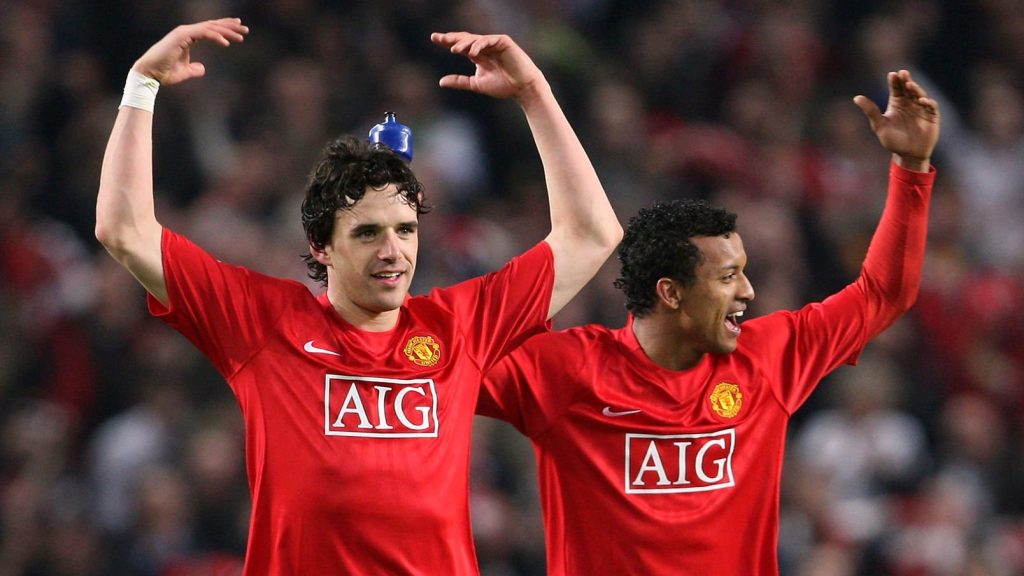
Owen Hargreaves followed one of those routes in 2011. Manchester United released him after an injury-hit spell, and City signed him as a free agent. He made only four competitive appearances for his new club.
Jadon Sancho represents the indirect route. He developed in Manchester City’s academy but left for Borussia Dortmund without making a senior competitive appearance. Manchester United signed him four years later, by which point Dortmund had broken the immediate connection between the Manchester clubs.
A direct transfer involving an established first-team star would be much harder. The player would need to want the move, the selling club would have to accept strengthening its neighbour, and the buying club would need to pay enough to justify the political cost.
The player must also agree to the transfer. As explained in our guide to whether a footballer can refuse a transfer, an agreement between two clubs cannot force someone to sign for the proposed buyer.
13. The Rivalry Did Not Ban Transfers – It Made Them Unnecessary
Manchester United and Manchester City have not stopped sharing players because of an official rule or secret agreement.
The market around them changed.
Earlier transfers occurred when recruitment was local, contracts were less valuable and the clubs often competed at different levels. Today, both teams are global institutions with extensive scouting networks, enormous commercial interests and little reason to help a direct rival.
Another player may eventually cross Manchester. It will probably be a free agent, academy prospect or unwanted squad member rather than a star sold in his prime.
The next Carlos Tevez would not merely be a transfer. He would become a statement about which club holds power in Manchester – and that is precisely why neither side is eager to create one.
You have just read “Why Do Manchester United and Manchester City Rarely Transfer Players Anymore?”. Follow 52Hz Football for more stories about football history, transfers and the Premier League.
