
Why don’t Premier League stars play for the U21s to recover from injury anymore? Discover how secret friendlies and sports science replaced reserve football.
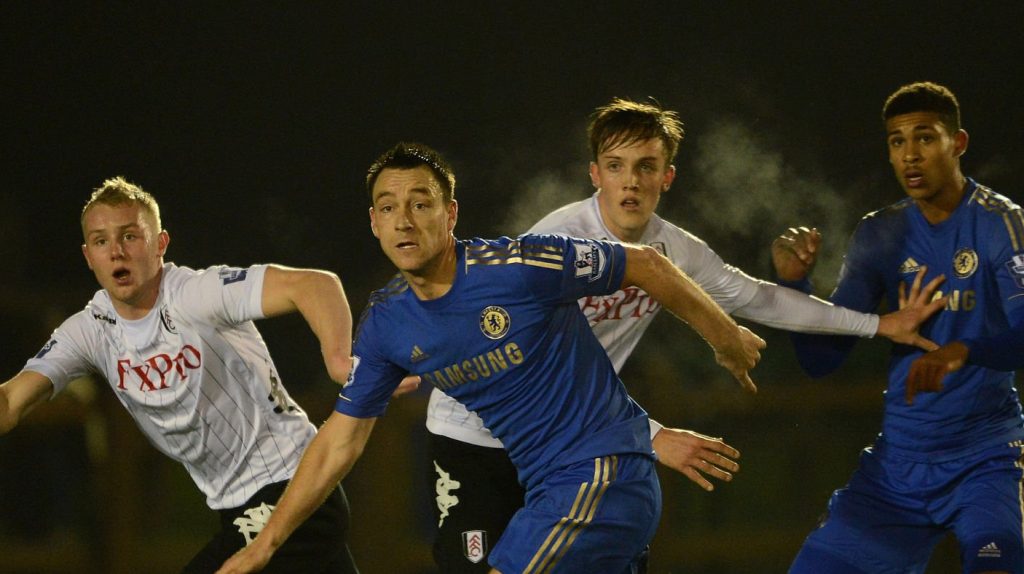
If you have been following English football for over a decade, you likely possess a very specific and highly nostalgic memory. On the pitch in a largely empty stadium, running alongside teenagers whose names you have never heard of, is a world-class superstar earning £250,000 a week.
Seeing icons like Wayne Rooney, Robin van Persie, John Terry or Theo Walcott stepping out for the club’s reserve team was once a normal weekly occurrence. For years, dropping down to play reserve team football was the undisputed medical protocol for senior players looking to regain their match fitness after a prolonged spell on the treatment table.
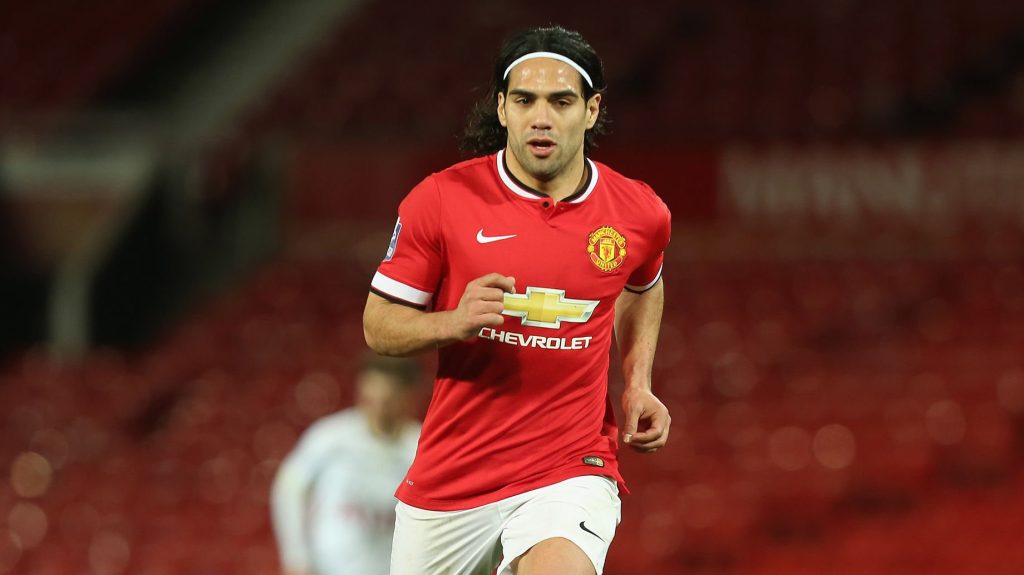
However, if you look at the modern game today, this practice has almost completely vanished. The sight of a £50 million player lacing up his boots for a youth fixture is now an extreme rarity.
So, what exactly changed in the English football landscape? Why do modern elite managers now outright refuse to let their valuable stars play with the youth squad to recover?
1. The Death of the Traditional Reserve League & the EPPP Revolution
To understand why superstars no longer play in the reserves, we first have to understand that the traditional “Reserve League” no longer exists.
In the 1990s and 2000s, the Premier Reserve League was explicitly designed as a melting pot. It was a league where older academy prospects mixed directly with fringe first-team players returning from injury, and backup goalkeepers. It meant that an 18-year-old would regularly go shoulder-to-shoulder with seasoned 30-year-old veterans.
This entire system was dismantled and fundamentally restructured following the introduction of the Elite Player Performance Plan (EPPP) in 2012. The EPPP aimed to modernize English youth development, shifting the focus away from a traditional “reserve” setup to a strict age-group format. This birthed the Under-21 Premier League, which was later rebranded to Premier League 2 (PL2).
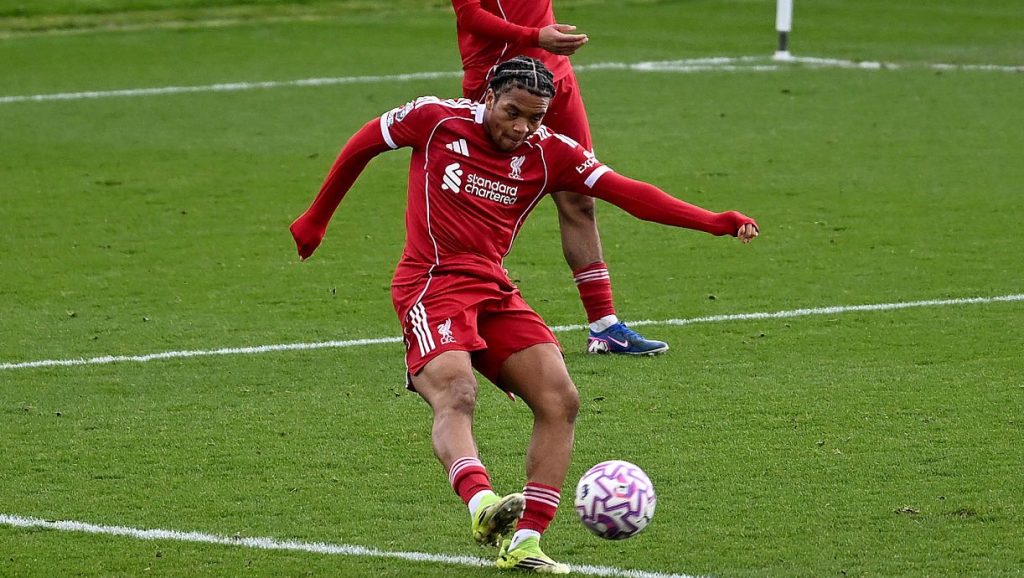
Today, PL2 is strictly an Under-21 development competition. While the rules do still allow clubs to field a limited number of overage players, the entire tactical and physical landscape of the league has changed.
Throwing an elite player into a match against lightweight 18-year-olds no longer provides the right tactical challenge, nor the correct physical resistance, required to prepare for the intensity of a senior top-flight fixture.
2. The New U21 Reality: The “Shop Window” for Valuable Departures
If the U21 squad is no longer used as a rehabilitation center for injured superstars, what happens to those overage slots? In the modern era of Profitability and Sustainability Rules (PSR), the youth squad has evolved into a strategic “shop window” to protect a club’s financial interests.
When senior players fall out with the manager, or when they are officially deemed surplus to requirements, they are often banished from first-team training. However, clubs cannot afford to let these players completely lose their fitness, as it would destroy their transfer market value. Instead, these “outcasts” are sent to train and play with the U21s.
This serves a dual purpose: it keeps the player physically fit, and it provides video footage and data for scouting departments of other clubs.
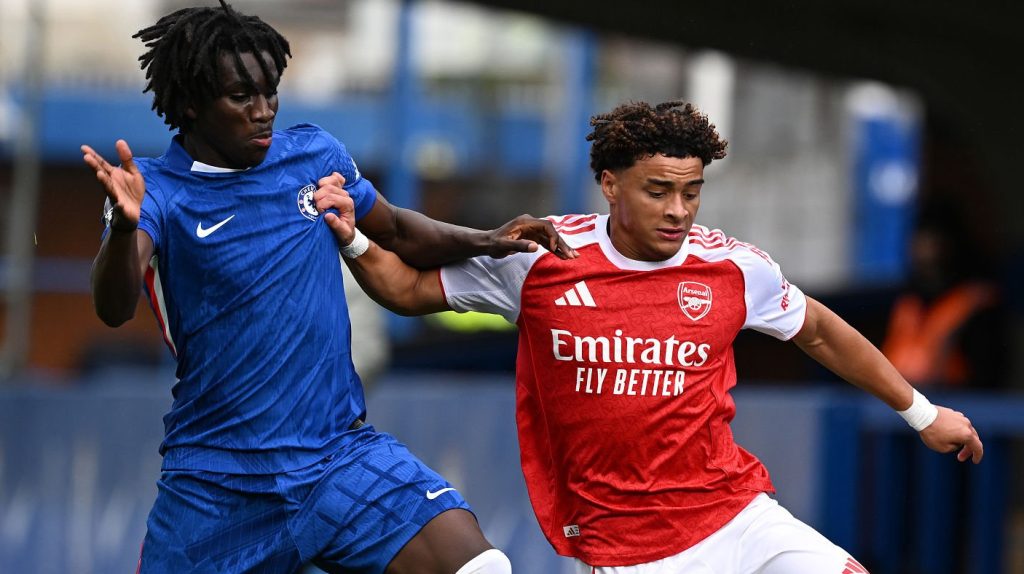
Chelsea has famously utilized this strategy in recent years. When managing incredibly bloated squads, players dubbed as part of the “bomb squad” were frequently assigned to U21 fixtures to maintain their base fitness while their agents scoured the market for loan moves or permanent exits.
By keeping these unwanted players active, clubs protect the potential transfer fees of these valuable departures, ensuring they can still be sold for profit rather than being released for free due to physical decline.
3. The Rise of “Behind-Closed-Doors” (BCD) Friendlies
With official youth games deemed unsuitable for injury recovery, top-flight clubs needed a new solution. The modern answer is the heavy reliance on behind-closed-doors (BCD) friendlies held deep within the heavily guarded walls of their private training grounds.
These secret matches – often organized against lower-league sides from the Championship, League One, or even non-league – offer Premier League managers the ultimate luxury: total, absolute control over the environment.
In a traditional U21 league match, the referee governs the game. Substitutions are limited, and the result technically matters for the league table. In a BCD friendly, the two managers are the absolute dictators of the event.
-
If a recovering star feels a slight, microscopic twinge in his calf after 15 minutes, the manager can instantly pull him off the pitch without burning an official substitution.
-
Both managers can agree to play three 30-minute periods instead of two 45-minute halves to manage workloads.
-
Crucially, managers can agree to strict “no hard tackling” rules before the whistle even blows.
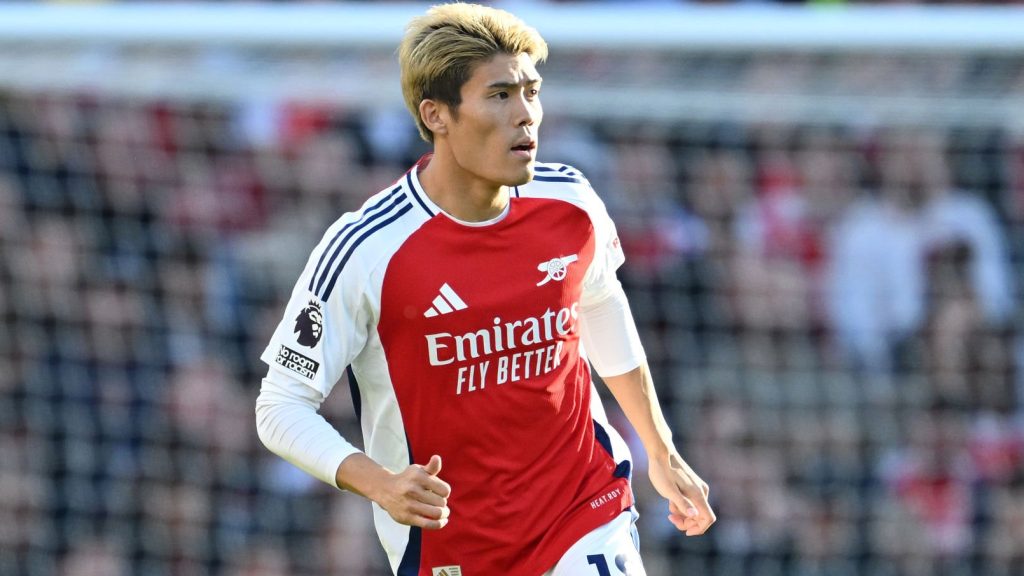
In March 2024, Arsenal organized a highly secretive BCD friendly against Queens Park Rangers at their London Colney training base. The sole purpose of this match was to grant Thomas Partey and Takehiro Tomiyasu valuable match minutes after long injury layoffs. By doing this, Mikel Arteta entirely avoided the unpredictability, media scrutiny, and physical risks of an official U21 fixture.
4. The “Target” on a Superstar’s Back
Perhaps the most compelling reason managers keep their stars away from youth football is the inherent danger of the environment itself. When a globally recognized Premier League star steps onto the pitch in a PL2 game, he instantly becomes a massive target.
Imagine the psychological dynamic: You have an 18-year-old academy defender from the opposing team, currently earning a basic scholarship wage, desperate to secure a professional contract and make a name for himself. Suddenly, he is lining up against an international winger. For the teenager, this is his Champions League final. It is his ultimate opportunity to impress scouts, agents, and coaches watching from the stands.
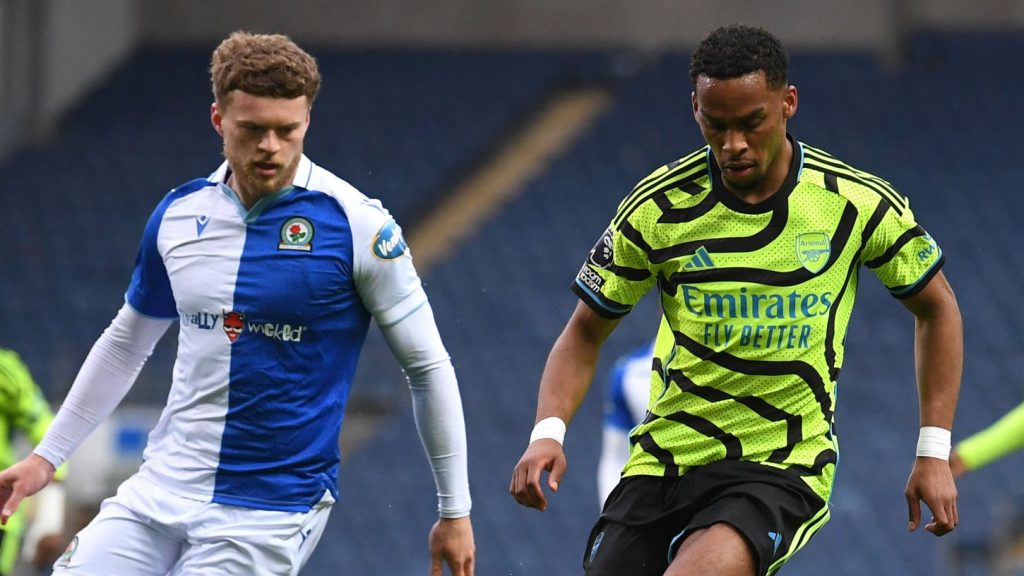
This creates a hyper-aggressive, incredibly dangerous environment. The youth players are highly motivated, overflowing with adrenaline, and willing to fly into tackles at 110% effort to prove their worth. For a senior player recovering from a serious injury, facing a teenager who has everything to gain and nothing to lose is a risk.
Modern managers simply will not gamble their prized assets in this scenario. A poorly timed, over-enthusiastic challenge from a desperate youngster could easily result in a severe relapse, costing the parent club millions in wages and medical bills.
5. Advanced Sports Science and GPS Tracking Integration
Football has undergone a technological revolution. The evolution of sports science means that actual match time is no longer strictly mandatory to achieve physical recovery.
Look closely at any training footage of a Premier League club, and you will notice players wearing what look like sports bras over their chests. These are high-tech wearable GPS trackers (produced by industry leaders like STATSports or Catapult). These vests gather microscopic, real-time data on a player’s physical output.
Fitness coaches no longer have to guess if a player is fit; they have the exact metrics. They monitor a player’s exact heart rate variability, maximum velocity, acceleration and deceleration load, and High-Speed Running (HSR) distance.
By analyzing this data, sports scientists can design hyper-specific, grueling high-intensity training drills that digitally simulate the exact physical demands of a 90-minute Premier League match. If a midfielder normally covers 11 kilometers in a match with 800 meters of high-speed sprinting, the fitness team can recreate that exact workload safely on the training pitch without a single opponent trying to tackle him.
6. The Rare Exceptions to the Rule: The “ACL Club”
In fact, there is still one highly specific exception to the rule. You will occasionally see a senior star play in PL2 today, but only if they are returning from a catastrophic, long-term absence – specifically, an Anterior Cruciate Ligament (ACL) tear.
When a player suffers an ACL injury and misses anywhere from 9 to 12 months of football, sports science and GPS data alone are simply not enough. The physical healing of the knee is only half the battle; the other half is psychological.
Players returning from severe knee reconstructions often suffer from kinesiophobia—the fear of movement and reinjury. They need to overcome the mental barrier of jumping, landing, twisting, and, most importantly, being tackled by an opponent who isn’t their teammate holding back. They need the sensory experience of a competitive environment, complete with a referee, opposition shirts, and a crowd.

This psychological hurdle is exactly why Arsenal’s Jurrien Timber (who returned in April 2024 after an eight-month ACL absence) and Manchester United’s Tyrell Malacia (who returned in November 2024 after a nightmare 17-month knee injury layoff) were explicitly assigned to U21 fixtures.
Furthermore, in April 2026, Chelsea took the exact same approach with Levi Colwill. After a devastating ACL injury, the medical staff used a Chelsea U21 fixture as the clinical testing ground. It was the only way to ensure the defender’s mind and body were fully synchronized and ready for the brutal reality of the Premier League.
Frequently Asked Questions (FAQs)
Q: Can Premier League teams still play older players in the U21s?
A: Yes. Under the current Premier League 2 regulations, clubs are technically allowed to field up to 05 overage outfield players and 01 overage goalkeeper per match.
However, the application of this rule has shifted. Rather than injury rehabilitation, these slots are now mostly utilized to maintain the match sharpness of backup goalkeepers, or to keep out-of-favor senior players fit while their agents negotiate their valuable departures in the transfer market.
Q: When did the Reserve League become Premier League 2?
A: The original Premier Reserve League was officially abolished in 2012 as part of the Elite Player Performance Plan (EPPP) to make way for the Under-21 Premier League. This competition was later rebranded to Premier League 2 (initially adopting an Under-23 format) in 2016.
It subsequently reverted back to a strict Under-21 format ahead of the 2022/23 season to align with broader international youth development standards.
You have just read the article “Why Don’t Premier League Stars Play for the U21s to Recover from Injury Anymore?”. Follow 52Hz Football for more captivating stories about football, geography and culture.
READ MORE:
- 7 Most Profitable Sales in Man United History: The Garnacho Surprise
- 8 Players Who Played For Both Liverpool and Everton In The Premier League Era
- 7 Players Who Played for Both Tottenham and Brighton: You Forgot #4
- 11 Players Who Played for Both Man United and Chelsea: Remember the controversial #4?
- Which Firms Audit Premier League Clubs? Why Man City Doesn’t Use Big Four Auditors?
