
The 2026 summer window pushed football’s transfer market into another price bracket. Manchester City, Real Madrid, Chelsea and Liverpool all completed nine-figure deals, changing the ranking of the clubs with the most €100m signings.
Only a small group of teams have ever committed at least €100 million to one player. Some of those transfers delivered league titles and Champions League trophies; others became expensive warnings about injuries, poor squad planning and the danger of buying a famous name without a suitable role.
This list is updated to 2 September 2026. The figures are based on widely reported euro valuations and Transfermarkt’s transfer records. Because clubs rarely disclose every clause, some totals include achievable add-ons and can vary slightly by source or exchange rate. Clubs are ranked first by the number of €100m deals, with ties separated by the maximum reported value of those packages.
6. Paris Saint-Germain (2 Signings)
PSG did not merely participate in the nine-figure market; they helped create it. Their extraordinary summer of 2017 produced the two most expensive transfers in football history and reset expectations across Europe.
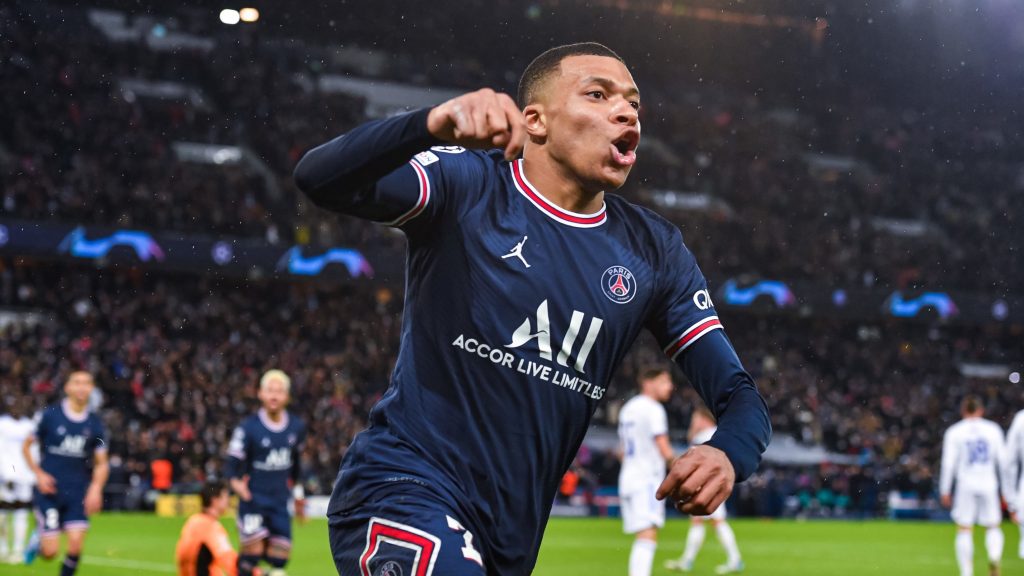
- Kylian Mbappé (€180m from AS Monaco)
Mbappé initially joined PSG on loan before the permanent transfer took effect. He became the club’s all-time leading scorer, won six Ligue 1 titles and developed into one of the world’s most valuable players.
The missing piece was the Champions League. PSG never lifted the trophy during his time in Paris, and Mbappé eventually joined Real Madrid after allowing his contract to expire. The sporting return was enormous, but losing such a valuable asset without a transfer fee complicated the final assessment.
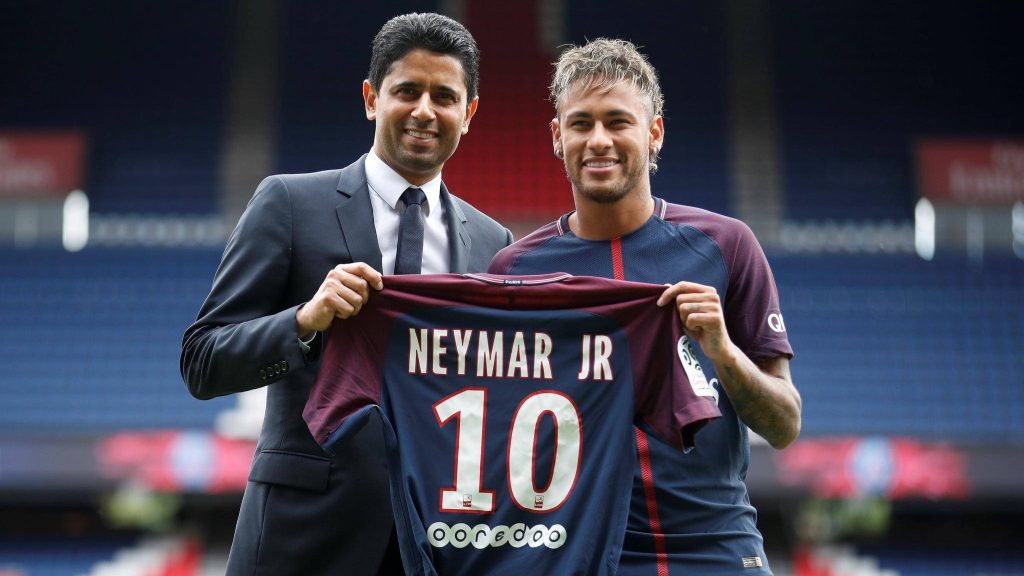
- Neymar (€222m from Barcelona)
PSG activated Neymar’s release clause in a transfer that remains unmatched. He supplied goals, assists and global attention, while his best Champions League run helped PSG reach the 2020 final.
Yet the move never fully delivered its central objective. Injuries repeatedly interrupted Neymar’s seasons, often during decisive European months, and PSG eventually sold him to Al-Hilal for a fraction of the original fee. He was far too productive to be labelled a simple flop, but €222m was supposed to purchase a more complete era of dominance.
5. FC Barcelona (3 Signings)
Barcelona spent most of the Neymar money in an attempt to replace one irreplaceable forward. The result was three nine-figure signings, none of whom became the long-term foundation the club expected.
- Philippe Coutinho (€135m from Liverpool)
Coutinho arrived in January 2018 with the reputation of being one of the Premier League’s most creative attackers. Barcelona never settled on his best position, however, and he struggled to reproduce the freedom he had enjoyed at Liverpool.
His loan to Bayern Munich produced the defining image of the transfer: Coutinho scoring twice against his parent club in an 8-2 Champions League defeat. Barcelona later sold him to Aston Villa at a major loss.
- Ousmane Dembélé (€135m from Borussia Dortmund)
Dembélé offered elite pace and genuine two-footed creativity, but repeated muscular injuries prevented him from building momentum. His Barcelona career contained excellent spells and several trophies, yet not enough sustained availability to justify the investment.
He eventually moved to PSG for considerably less than Barcelona had paid. Unlike Coutinho, Dembélé later demonstrated elsewhere that the original belief in his ceiling was not misplaced.
- Antoine Griezmann (€120m from Atlético Madrid)
Griezmann was a world-class player purchased without a clearly defined place in the team. His preference for operating through central and inside-left areas overlapped with Lionel Messi, leaving Barcelona to use him in roles that reduced his influence.
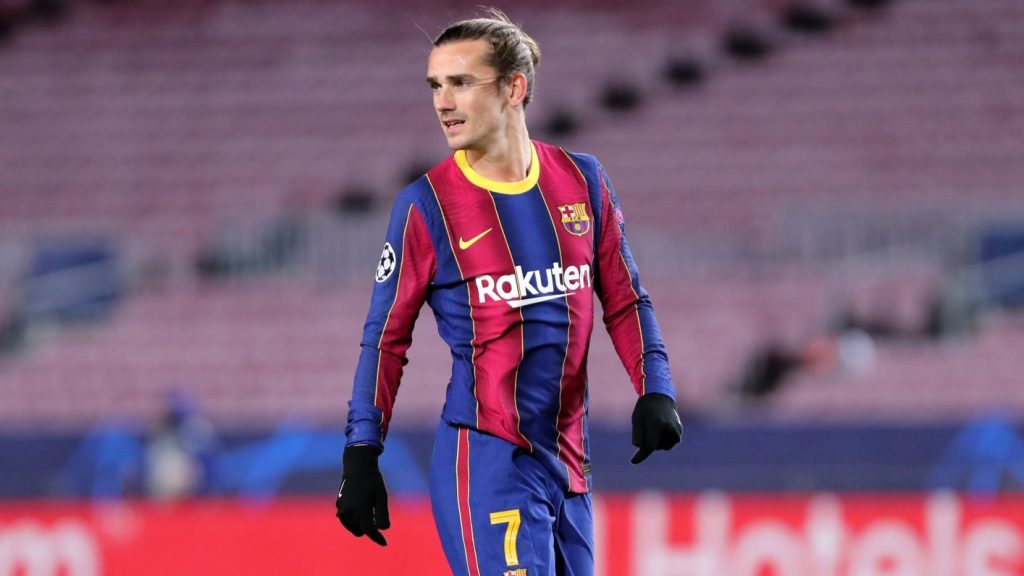
He still scored important goals and worked diligently, but the tactical fit never became convincing. Barcelona’s financial problems eventually led them to send him back to Atlético, first on loan and then permanently for a much smaller fee.
4. Liverpool (3 Signings)
Liverpool spent years avoiding the very top end of the market. The post-Jürgen Klopp rebuild changed that approach, producing three €100m signings across the summers of 2025 and 2026.
- Florian Wirtz (€125m from Bayer Leverkusen)
Wirtz arrived in 2025 as one of Europe’s leading creative midfielders. His first months were uneven as he adjusted to the Premier League’s pace and Liverpool searched for the correct balance around him.
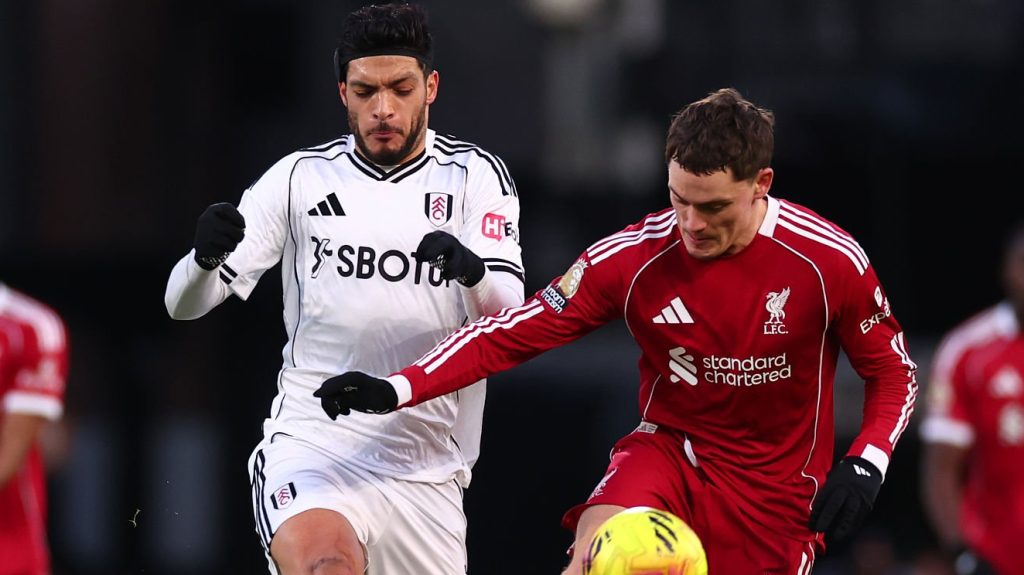
His influence improved as the season progressed. Rather than judging the transfer on a slow opening period, Liverpool will expect his passing, movement between the lines and chance creation to become central to the next phase of the team.
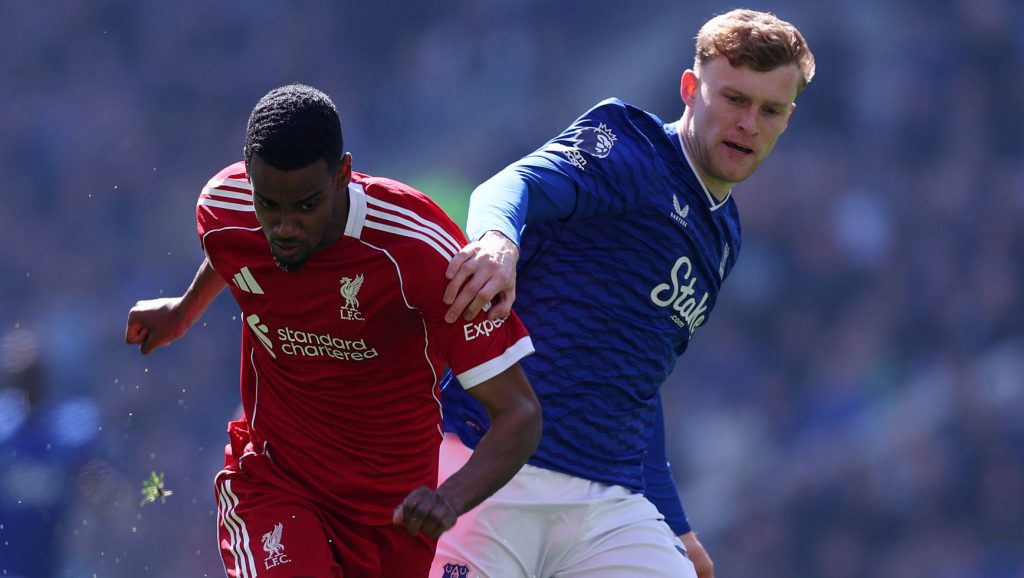
- Alexander Isak (€145m from Newcastle United)
Liverpool broke the British transfer record to sign Isak in September 2025, but his first campaign was dominated by disruption. He missed important preparation during the transfer saga and later suffered a fractured fibula in December.
Three Premier League goals represented a disappointing return, especially after he lost ground to Hugo Ekitiké in the attacking hierarchy. The first season was a failure in practical terms, although the injury makes it too early to declare the entire transfer beyond repair.
- Bradley Barcola (€125m up front, potentially €145m, from PSG)
Barcola became Liverpool’s latest nine-figure signing shortly before the 2026 deadline. His pace, ability to carry the ball over distance and experience in a high-possession side made him an obvious target for an attack being rebuilt around younger players.
The possible €145m package places immediate pressure on the French winger, but no meaningful verdict can be reached after only a handful of weeks. His arrival does, however, confirm that Liverpool are now willing to compete at the market’s highest level.
3. Chelsea (4 Signings)
Chelsea became the first club to make four €100m signings. Long contracts helped the club manage its early accounting costs, although Premier League and UEFA rules now limit transfer-fee amortisation to a maximum of five years for new or extended contracts.
- Morgan Rogers (€137.6m from Aston Villa)
Rogers joined Chelsea after a breakout 2025/26 campaign and an impressive World Cup with England. His ability to drive through midfield, carry the ball into the penalty area and play across the front line made him one of the summer’s most wanted players.
He made an encouraging start by scoring against Fulham on his Premier League debut for the club. Chelsea have paid for future development as much as current output, however, so his transfer will be assessed over several seasons rather than two August fixtures.
- Moisés Caicedo (€116m from Brighton & Hove Albion)
Caicedo endured a nervous beginning after Chelsea won a fierce bidding contest with Liverpool. Once the team became more stable, his ball-winning, recovery speed and ability to protect large spaces made the price easier to understand.
He has since developed into a core member of Chelsea’s midfield. The fee remains enormous for a defensive player, but Caicedo is now closer to being a successful long-term investment than an expensive gamble.
- Enzo Fernández (€121m from Benfica)
Enzo arrived immediately after winning the 2022 World Cup and entered a Chelsea side undergoing constant changes in personnel and management. His passing quality was obvious, but the absence of a settled structure often left him with too much ground to cover.
His influence grew as Chelsea improved. He helped the club win the Conference League and Club World Cup, then produced 15 goals and seven assists in 2025/26. Chelsea sold him to Manchester City for approximately €145m on the 2026 deadline, making a profit on a player whose time in London was productive without ever feeling completely settled.
- Romelu Lukaku (€113m from Inter Milan)
Lukaku returned to Chelsea in 2021 after leading Inter to the Serie A title. He was supposed to solve the club’s long-running centre-forward problem, but the reunion collapsed within months.
An unauthorised television interview damaged his relationship with Thomas Tuchel and the supporters, while his performances never justified reshaping the attack around him. Several loans followed before Chelsea finally accepted a substantial financial loss. It remains one of the clearest failures on this list.
2. Real Madrid (4 Signings)
Real Madrid’s approach is different from panic spending. Their largest fees are normally reserved for players who can become sporting and commercial reference points for many years. That policy has still produced both spectacular wins and one historic failure.
- Jude Bellingham (€127m from Borussia Dortmund)
Bellingham immediately justified Madrid’s confidence. He scored decisive goals, won La Liga’s Player of the Season award during his debut campaign and helped the club lift both the league title and Champions League.
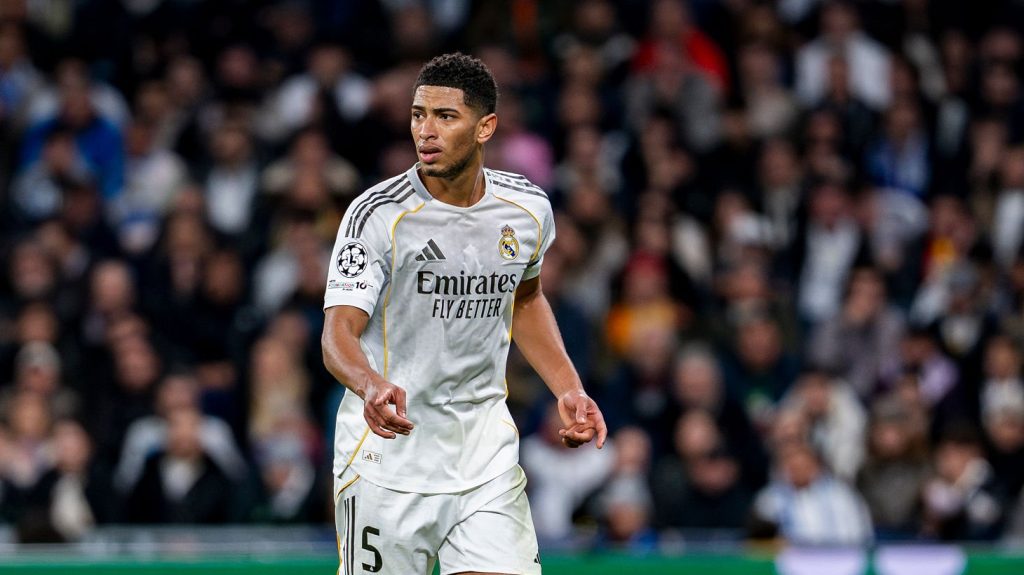
His ability to influence matches without being restricted to one midfield role made him an ideal modern Madrid signing: already elite, still young and commercially powerful.
- Eden Hazard (€120.8m from Chelsea)
Hazard arrived in 2019 as one of the Premier League’s outstanding players but reported for his first season short of ideal condition and was subsequently affected by serious ankle problems.
He never recovered the acceleration or consistency that had defined his Chelsea career. Madrid continued winning major trophies, but Hazard contributed little before his contract was terminated early. Few transfers have produced a poorer sporting return relative to the fee.
- Gareth Bale (€101m from Tottenham Hotspur)
Bale’s relationship with the Spanish press deteriorated during his later years, but that should not erase his impact. He scored decisive goals in the 2014 and 2018 Champions League finals and formed part of the famous BBC attack with Cristiano Ronaldo and Karim Benzema.
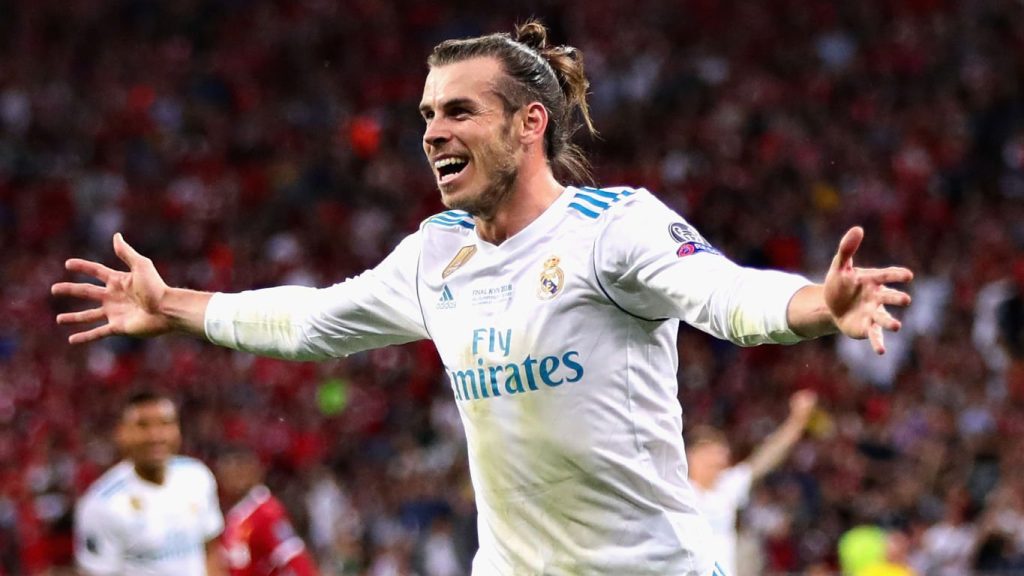
Four Champions League titles and several iconic final performances make Bale a clear success, regardless of the frustration that surrounded the end of his Madrid career.
- Yan Diomande (€125m up front, potentially €140m, from RB Leipzig)
Madrid added a fourth nine-figure signing in August 2026, committing an initial €125m to 19-year-old winger Yan Diomande. The Ivorian earned the move after a rapid rise with Leganés and a breakout season at RB Leipzig.
A seven-year contract illustrates how strongly Madrid believe in his ceiling. The fee is an extraordinary risk for a teenager with limited top-level experience, but his one-against-one ability and scoring potential fit the club’s strategy of securing elite young talent before it becomes unavailable.
1. Manchester City (4 Signings)
Manchester City began the summer with only one €100m signing in their history. They ended it with four. Elliot Anderson, Ayyoub Bouaddi and Enzo Fernández formed the centrepiece of a vast post-Pep Guardiola rebuild led by new manager Enzo Maresca.
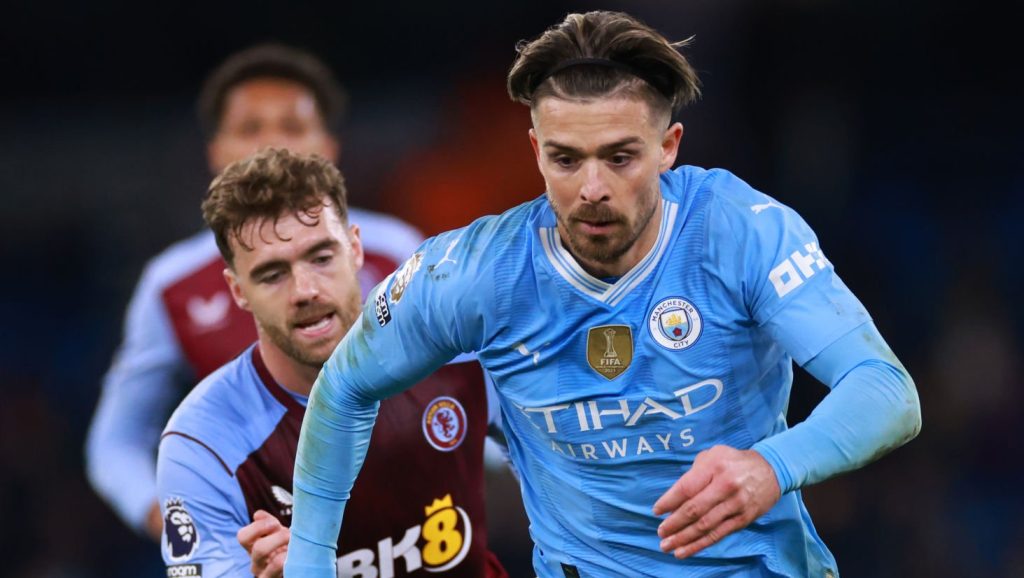
- Jack Grealish (€117.7m from Aston Villa)
Grealish never produced the individual numbers normally associated with a €100m attacker, but describing his City career as a complete failure would ignore his contribution to the 2022/23 Treble. His ball retention and defensive discipline were particularly important during that Champions League run.
He later lost his regular place and spent the first half of 2025/26 on loan at Everton, recording two goals and six assists before a foot injury ended his campaign. Grealish returned to Everton on another season-long loan on the 2026 deadline. City received important seasons and major trophies, but not a lasting return that matched the original fee.
- Elliot Anderson (€135m from Nottingham Forest)
Anderson’s rise accelerated at Nottingham Forest before an excellent World Cup with England persuaded City to pay around €135m. His ability to play as a No. 6 or No. 8 made him especially valuable during a summer in which City’s midfield was extensively rebuilt.
The fee guarantees scrutiny, but Anderson was bought as a long-term centrepiece rather than a short-term squad option. Any judgment after his opening matches would be premature.
- Ayyoub Bouaddi (€95m up front, potentially €100m, from Lille)
Bouaddi became the most expensive teenage signing in Premier League history when City agreed a package that could reach €100m. The Moroccan midfielder had already accumulated substantial Ligue 1 experience and started five matches during his country’s run to the 2026 World Cup quarter-finals.
City are paying for projection as well as present ability. Bouaddi is only 18, and the transfer will look very different depending on whether he becomes a long-term starter or remains one of several talented midfield options.
- Enzo Fernández (€145m from Chelsea)
City completed the defining deal of Deadline Day by paying a British-record-equalling £125m, approximately €145m, for Enzo. The transfer made him the first player in football history to move for more than €100m twice.
Fernández arrives after his most productive Chelsea season and reunites with Maresca, under whom he previously played some of his best football. He should give City progressive passing, greater control and goals from midfield, but the record fee leaves no room for him to be merely useful. Unlike Grealish, he has been signed to lead the reconstruction immediately.
The €100m One-Hit Wonders
Six other clubs have crossed the €100m line once:
- Arsenal: Declan Rice (€116.6m from West Ham) became the midfield leader Arsenal expected and helped turn a developing team into Premier League champions.
- Atlético Madrid: João Félix (€127.2m from Benfica) showed moments of rare quality but never looked comfortable within Diego Simeone’s structure, leading to a series of loans and an eventual departure.
- Juventus: Cristiano Ronaldo (€117m from Real Madrid) delivered exceptional goalscoring numbers, although the club failed to win the Champions League and became less balanced financially and tactically.
- Manchester United: Paul Pogba (€105m from Juventus) produced flashes of world-class ability but never found the stable team or role required to perform consistently before leaving on a free transfer.
- Tottenham Hotspur: Sandro Tonali (€108m plus possible add-ons from Newcastle) became the club’s first €100m signing in 2026. It is far too early to assess his impact under Roberto De Zerbi.
- Bayern Munich: Harry Kane’s package reached approximately €100m when he joined from Tottenham. His goalscoring return was immediate, and he eventually helped Bayern regain the Bundesliga title.
Frequently Asked Questions
Which club has made the most €100m signings?
Manchester City, Real Madrid and Chelsea are tied with four €100m signings each. When the maximum reported packages are combined, City move narrowly to the top after adding Elliot Anderson, Ayyoub Bouaddi and Enzo Fernández during the 2026 summer window.
What is the most expensive football transfer in history?
Neymar’s €222m move from Barcelona to Paris Saint-Germain in 2017 remains the world record. PSG activated his release clause, meaning Barcelona had no power to negotiate a higher fee or reject the transfer once the payment conditions were met.
How can clubs afford €100m transfers under financial rules?
Clubs normally capitalise a transfer fee and record it as an expense through amortisation. A €100m signing on a five-year contract would therefore create an accounting cost of approximately €20m per year before wages, bonuses and agent fees. Premier League and UEFA rules limit this amortisation period to five years for new or extended contracts, even when the player’s employment contract is longer.
Large broadcast distributions, commercial income, matchday revenue and profits from player sales can create additional spending capacity. Premier League clubs must now comply with the Squad Cost Ratio system, while those in UEFA competitions also face UEFA’s stricter squad-cost limit.
The updated ranking shows how dramatically the market shifted in 2026. Manchester City went from being unusually cautious with nine-figure transfers to completing three in one summer, while Real Madrid, Chelsea and Liverpool continued investing in players expected to define their next era. The prices have become more common, but the risk has not become any smaller.
You have just read “Boom or Bust: 6 Clubs With the Most €100m Signings”. Follow 52Hz Football for more transfer stories, player rankings and football analysis.
Read More
- 6 Worst Manchester United Failed Transfers
- Top 10 Most Valuable U17 Footballers in the World
- 7 Famous Wrexham Signings in the Deadpool Era
- 15 Direct Transfers Between Liverpool and West Ham
- 10 World-Class Stars Forged at Red Star Belgrade
- 10 Stars Made in Partizan Belgrade
