
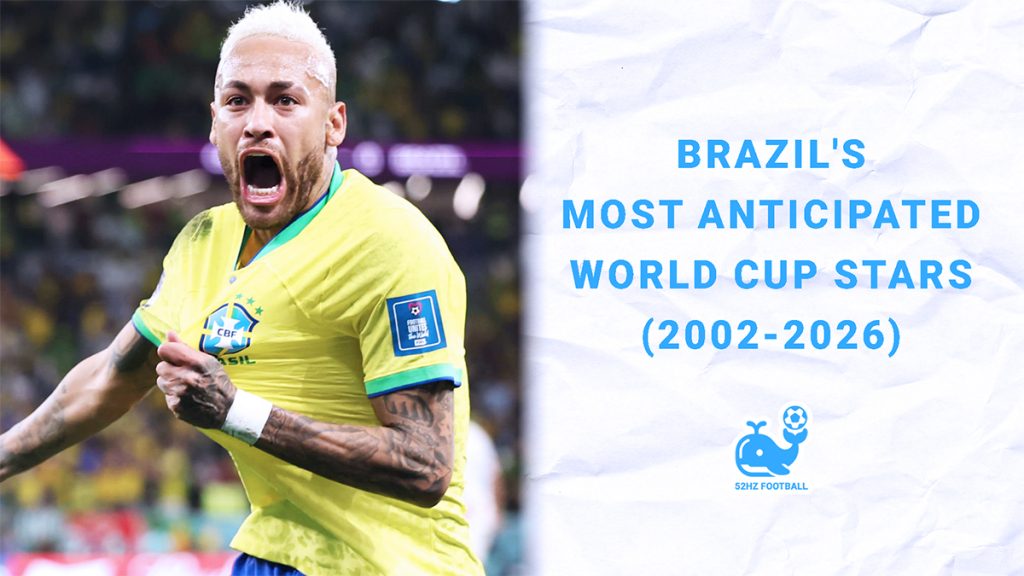
The iconic yellow jersey of the Seleção is not just a symbol of footballing magic; it is a suffocating crucible where the hopes of 200 million people either forge immortal gods or shatter generational talents on the ultimate World Cup stage.
For the Seleção, merely playing beautifully is never enough; winning the FIFA World Cup is a mandatory national demand. Every four years, the hopes of over 200 million people are placed squarely on the shoulders of one talismanic superstar.
From glorious redemptions to devastating heartbreaks, the narrative of Brazil at the World Cup is always defined by how their most anticipated player performs under the brightest lights. Let us walk through the modern history of Brazilian football, examining the defining star of every World Cup from 2002 to the ongoing 2026 tournament, and how they handled the weight of a nation.
World Cup 2002: Ronaldo Nazario
Heading into the tournament in South Korea and Japan, the entire footballing world held its breath whenever Ronaldo touched the ball. Following his mysterious seizure hours before the 1998 final and enduring knee injuries that robbed him of three years of his prime, many pundits believed O Fenômeno was finished.
The anticipation was not just about whether he could lead Brazil to victory, but whether his fragile knees could even survive a month of grueling tournament football.
What followed was the greatest comeback story in the history of the sport.
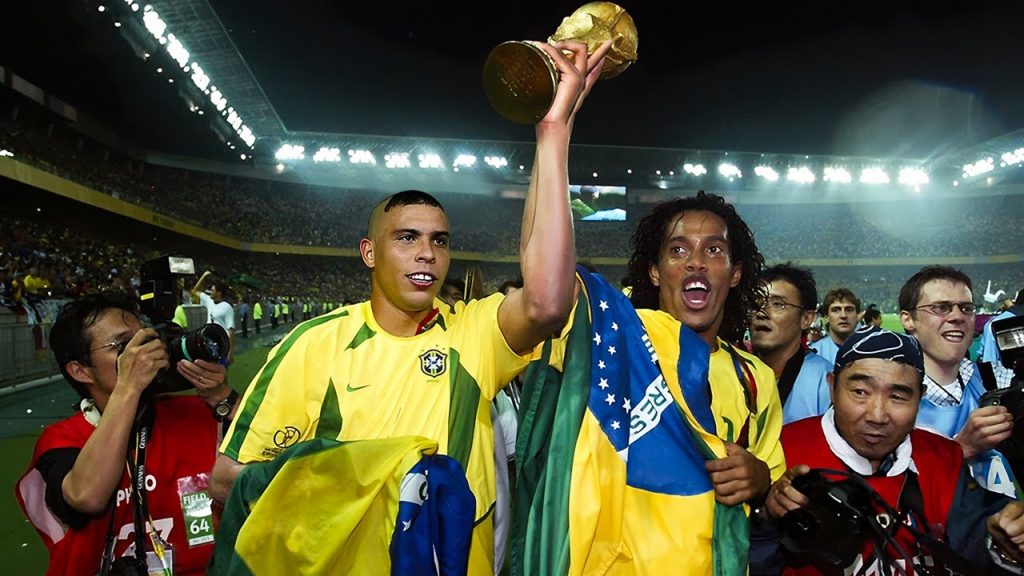
Sporting his infamous, bizarre triangular haircut – deliberately shaved to distract the media from questions about his health, Ronaldo unleashed absolute devastation upon opposing defenses. He played with an explosive freedom, scoring eight goals to win the Golden Boot.
His defining moment came in the final against Germany, where he buried two goals past the formidable Oliver Kahn, sealing Brazil’s legendary fifth star and immortalizing his own legacy.
World Cup 2006: Ronaldinho
If 2002 was about redemption, 2006 was supposed to be a coronation.
Ronaldinho arrived in Germany as the undisputed best player on the planet, fresh off winning consecutive FIFA World Player of the Year awards and leading Barcelona to Champions League glory.
Brazil boasted a terrifying “Magic Quartet” of Ronaldinho, Ronaldo, Kaká, and Adriano. The anticipation was astronomically high; fans expected a month-long carnival of step-overs, no-look passes, and champagne football orchestrated by their smiling sorcerer.
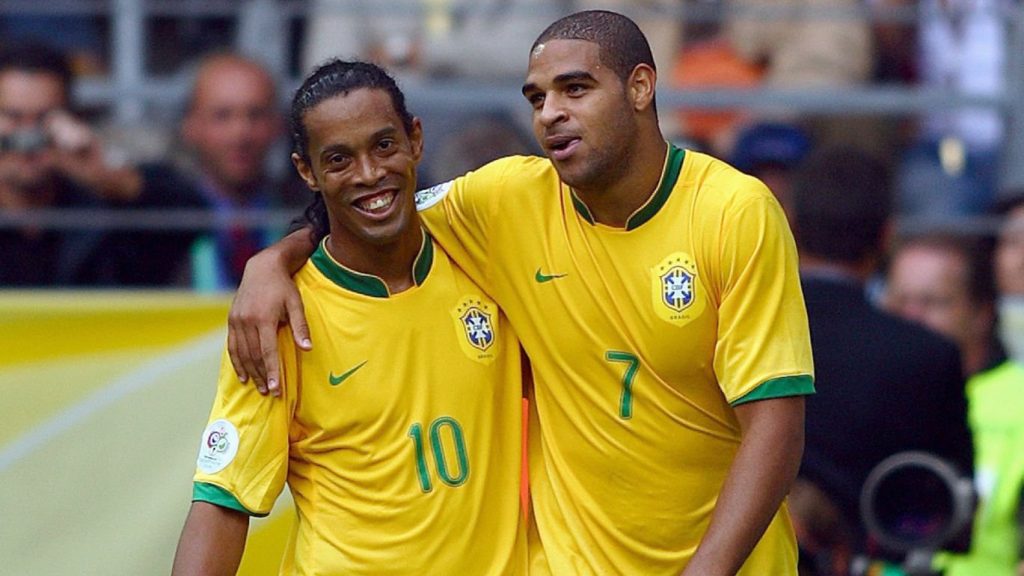
However, the reality was a shocking anti-climax. Burdened by massive commercial distractions and a sluggish tactical setup, Ronaldinho looked entirely a shadow of his majestic self. He appeared heavy, exhausted, and devoid of the magical spark that defined his club career.
He finished the tournament with zero goals and just one assist, failing to register a single memorable moment before Brazil was coldly dismantled by Zinedine Zidane’s France in the quarter-finals.
World Cup 2010: Kaká
Under the strict management of Dunga, Joga Bonito was sacrificed for defensive solidity and rapid counter-attacks. In this rigid system, the entire creative burden of the Brazilian national team was placed on one man: Kaká.
Having recently completed a blockbuster transfer to Real Madrid, he was the lone Ballon d’Or winner in a squad of hard-working enforcers.
Tragically, Kaká was fighting his own body.
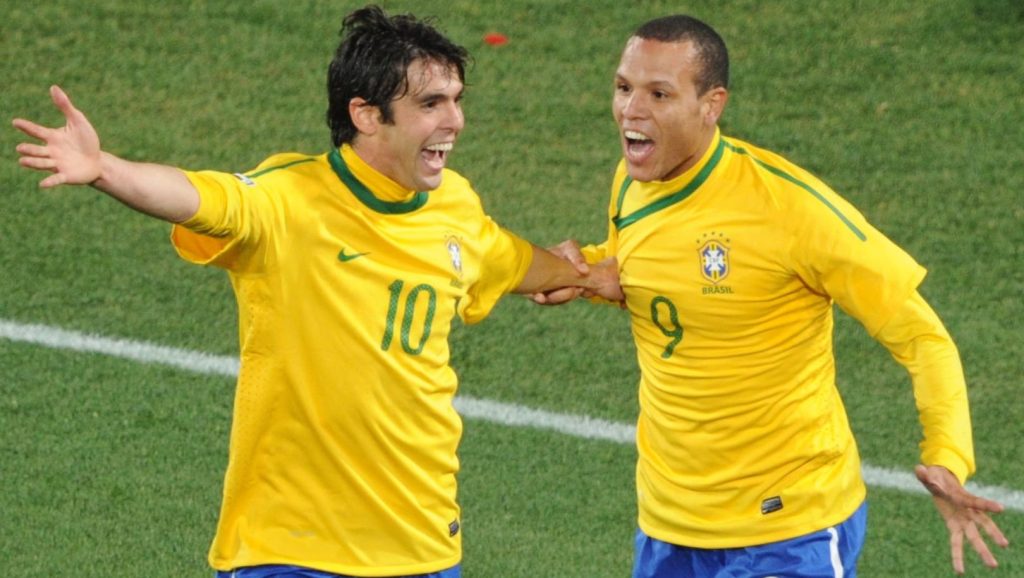
Nursing a chronic groin injury and clearly lacking match fitness, he tried valiantly to push through the pain barrier for his country. His tournament was a frustrating mix of brilliant flashes and cruel misfortune, highlighted by a deeply controversial red card against the Ivory Coast.
Despite providing three assists, he failed to score a single goal, and his physical limitations were glaringly exposed when Brazil shockingly collapsed against the Netherlands in the quarter-finals.
World Cup 2014: Neymar
No player in modern history has faced the concentrated pressure that Neymar experienced in 2014.
As the host nation, Brazil was gripped by World Cup fever, and the 22-year-old prodigy was plastered across every billboard, television screen, and newspaper in the country. He was hailed as the chosen one, the golden boy destined to win the trophy on sacred home soil.
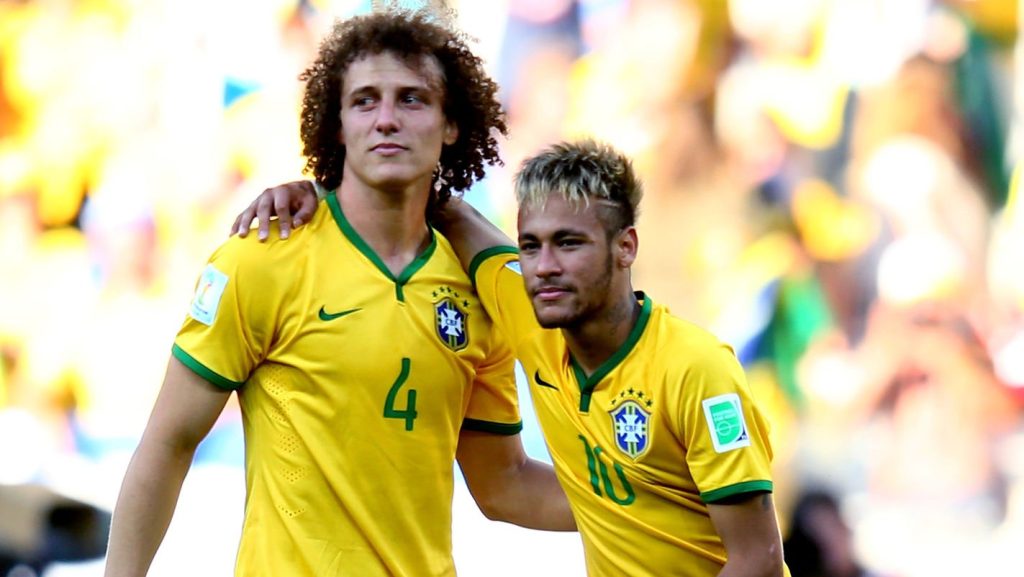
For the first few weeks, he delivered a cinematic performance. Neymar was electrifying, carrying a surprisingly average Brazilian squad on his back with four brilliant goals in the opening matches. But the fairy tale violently unraveled in the quarter-final against Colombia when a reckless knee to the back fractured his vertebra.
The image of Neymar crying on a stretcher broke the nation’s heart. Without their talisman, the emotional foundation of the team collapsed, leading directly to the apocalyptic 7-1 humiliation against Germany in the semi-final.
World Cup 2018: Neymar
In 2018, Neymar arrived in Russia not just as Brazil’s talisman, but as the most expensive player in football history following his astronomical transfer to Paris Saint-Germain. He was carrying the agonizing ghost of the 2014 humiliation, desperate to prove he could lead the Seleção to ultimate glory and erase the trauma of the 7-1 defeat.
However, the anticipation was mixed with massive national anxiety, as he was rushing back from a fractured foot suffered just months before the tournament.
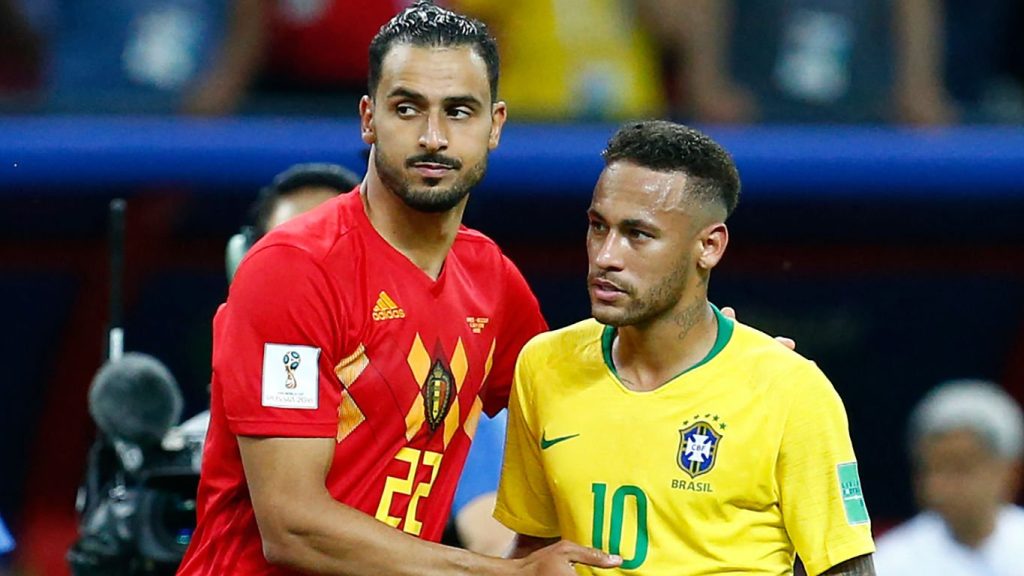
His World Cup campaign quickly became a highly polarizing spectacle. While he provided moments of undeniable magic, his tournament was heavily overshadowed by global criticism regarding his theatrical reactions to fouls.
Despite the relentless media circus, he remained Brazil’s most dangerous creative force, constantly demanding the ball and trying to single-handedly force his team past tight defenses. Tragically, the redemption dream ultimately died in the quarter-finals against a tactically superior Belgian side, leaving Neymar on his knees in Kazan.
World Cup 2022: Neymar
By the time the 2022 World Cup in Qatar arrived, Neymar was 30 years old, publicly hinting that this might be his final attempt to capture the elusive trophy. Operating in a deeper, central playmaking role, he was the undisputed general of a squad packed with dynamic young superstars.
His campaign culminated in a moment of breathtaking genius during the impossibly tense quarter-final against Croatia. Deep into extra time, Neymar engineered a multi-pass sequence through the absolute heart of the Croatian defense, rounded the goalkeeper, and smashed the ball into the roof of the net. That strike officially tied him with the immortal Pelé as Brazil’s all-time leading goalscorer.
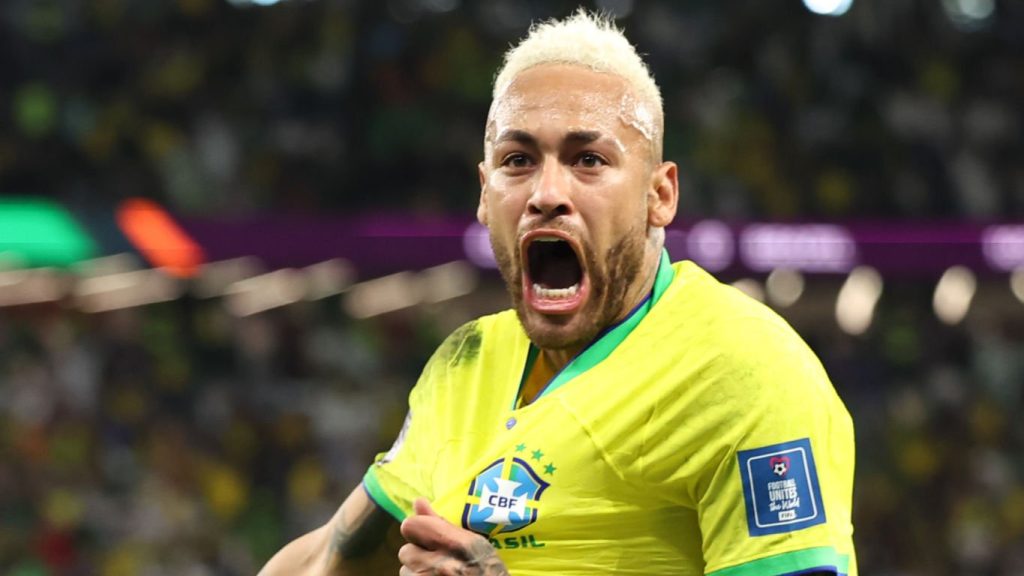
Yet, in the cruelest twist of fate imaginable, Croatia equalized just minutes later. In the subsequent penalty shootout, manager Tite saved Neymar for the decisive fifth kick.
He never got the chance to take it.
Teammates missed, Croatia celebrated, and Neymar was left weeping inconsolably on the pitch, having delivered his masterpiece only to watch the canvas burn.
World Cup 2026: Vinícius Júnior
As the 2026 World Cup currently unfolds across North America, the ultimate question haunting the Seleção is who truly bears the weight of the yellow jersey.
While Matheus Cunha offers tactical grit and Raphinha provides relentless energy on the flanks, neither possesses the gravitational pull required to carry an entire nation. Neymar, now 34 and battling the twilight of his career after devastating knee injuries, is still present, but he exists more as a spiritual patriarch seeking one final, desperate dance rather than the absolute focal point.
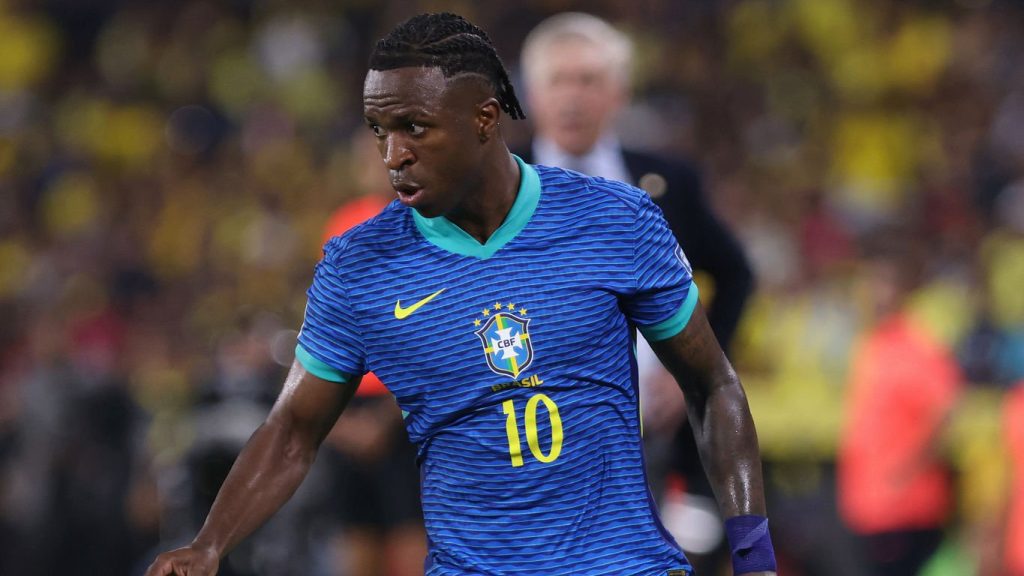
The crown, and the suffocating pressure that comes with it, has undeniably been passed to Vinícius Júnior. Arriving at this tournament not just as a winger, but as a global icon forged in the demanding fires of Real Madrid, Vinícius is the undisputed heir. The Brazilian public no longer just hopes he will play well; they demand that he steps entirely out of Neymar’s colossal shadow and acts as the ruthless, undeniable match-winner.
As the current matches rage on, the narrative is perfectly and perilously poised. Can Vinícius handle the inescapable burden of being Brazil’s main man and terrorize defenses when the stakes are highest? Or will the ghost of Neymar be forced to rise from the bench to save his country one last time?
The answer to that question will define this entire generation of Brazilian football.
FAQ
Q: Who is Brazil’s all-time leading goalscorer? A: Neymar officially surpassed the legendary Pelé to become Brazil’s all-time top goalscorer in international matches. However, if we only count goals scored at the FIFA World Cup tournament, Ronaldo Nazário remains Brazil’s absolute top scorer with 15 World Cup goals.
Q: How many World Cups has Brazil won in total? A: Brazil holds the global record with five FIFA World Cup championships (1958, 1962, 1970, 1994, and 2002). They also hold the prestigious distinction of being the only national team in history to have participated in every single World Cup tournament.
Q: Why has Brazil struggled to win the World Cup since 2002? A: Since their fifth star in 2002, Brazil has suffered from a “European Curse” in the knockout stages. In 2006 (France), 2010 (Netherlands), 2014 (Germany), 2018 (Belgium), and 2022 (Croatia), their World Cup dreams were exclusively ended by European nations, often exposing a gap in tactical pragmatism.
You have just read the article “The Weight of a Nation: Brazil’s Most Anticipated World Cup Stars (2002-2026)”. Follow 52Hz Football for more captivating stories, tactical analyses, and historical football deep-dives.
