
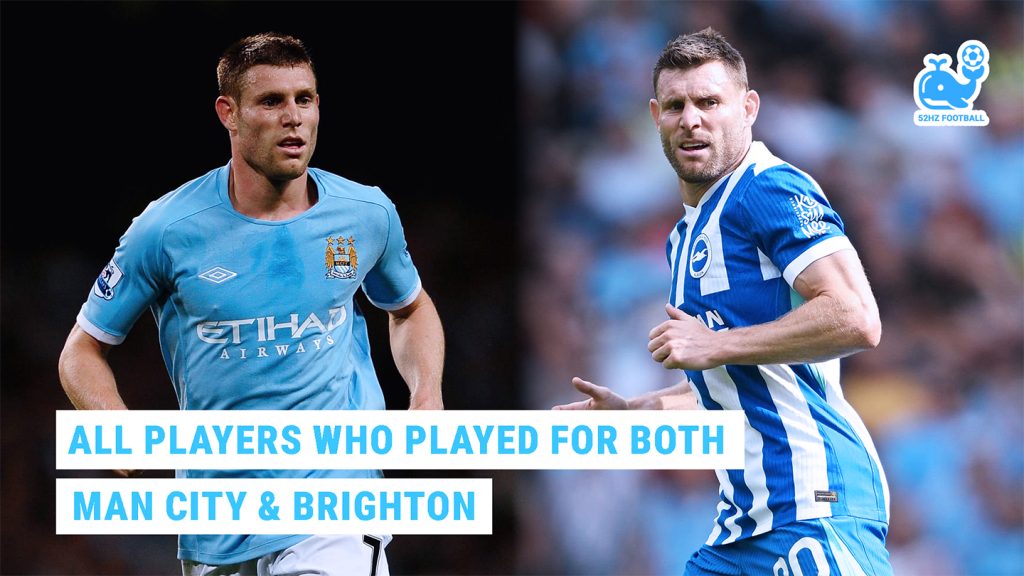
James Milner is probably the first name that comes to mind when discussing players who played for both Manchester City and Brighton.
Wayne Bridge and Paul Dickov will also be familiar to many supporters, although their Brighton careers were considerably shorter.
Look further back, however, and the connection becomes more interesting.
A Manchester City goalkeeping legend spent a season on the south coast. Two members of Brighton’s famous 1983 FA Cup final team also represented City. Other players moved between the clubs through loans, youth football and the search for regular first-team opportunities.
Statistics in the main profiles refer to senior first-team appearances and goals across competitions.
1. James Milner
- Manchester City: 2010–2015 (Apps: 203 | Goals: 18)
- Brighton: 2023–2026 (Apps: 46 | Goals: 1)
Milner’s Manchester City career coincided with a transformation in the club’s standing. Signed from Aston Villa in 2010, he became an important member of the teams that won the 2011 FA Cup, the 2011/12 and 2013/14 Premier League titles, and the 2014 League Cup.
His versatility helped managers accommodate more attacking players around him. Milner could provide width, support a full-back or move into midfield, offering the work rate and discipline that allowed City’s creative players to flourish. He finished his five seasons with 203 appearances and 18 goals.

After eight years at Liverpool, he joined Brighton in 2023. By then, the attraction was as much about his experience and daily standards as his contribution on matchdays. Brighton were entering European competition for the first time, and Milner brought years of experience in demanding domestic and continental campaigns.
He eventually retired in June 2026 after three seasons with Albion. Appropriately for this particular club connection, his only Brighton goal was an equalising penalty against Manchester City.
- READ MORE:
2. Wayne Bridge
- Manchester City: 2009–2013 (Apps: 58 | Goals: 0)
- Brighton: 2012–2013, loan (Apps: 42 | Goals: 3)
Bridge joined Manchester City from Chelsea in January 2009, during the early stages of the club’s major recruitment drive following the 2008 takeover.
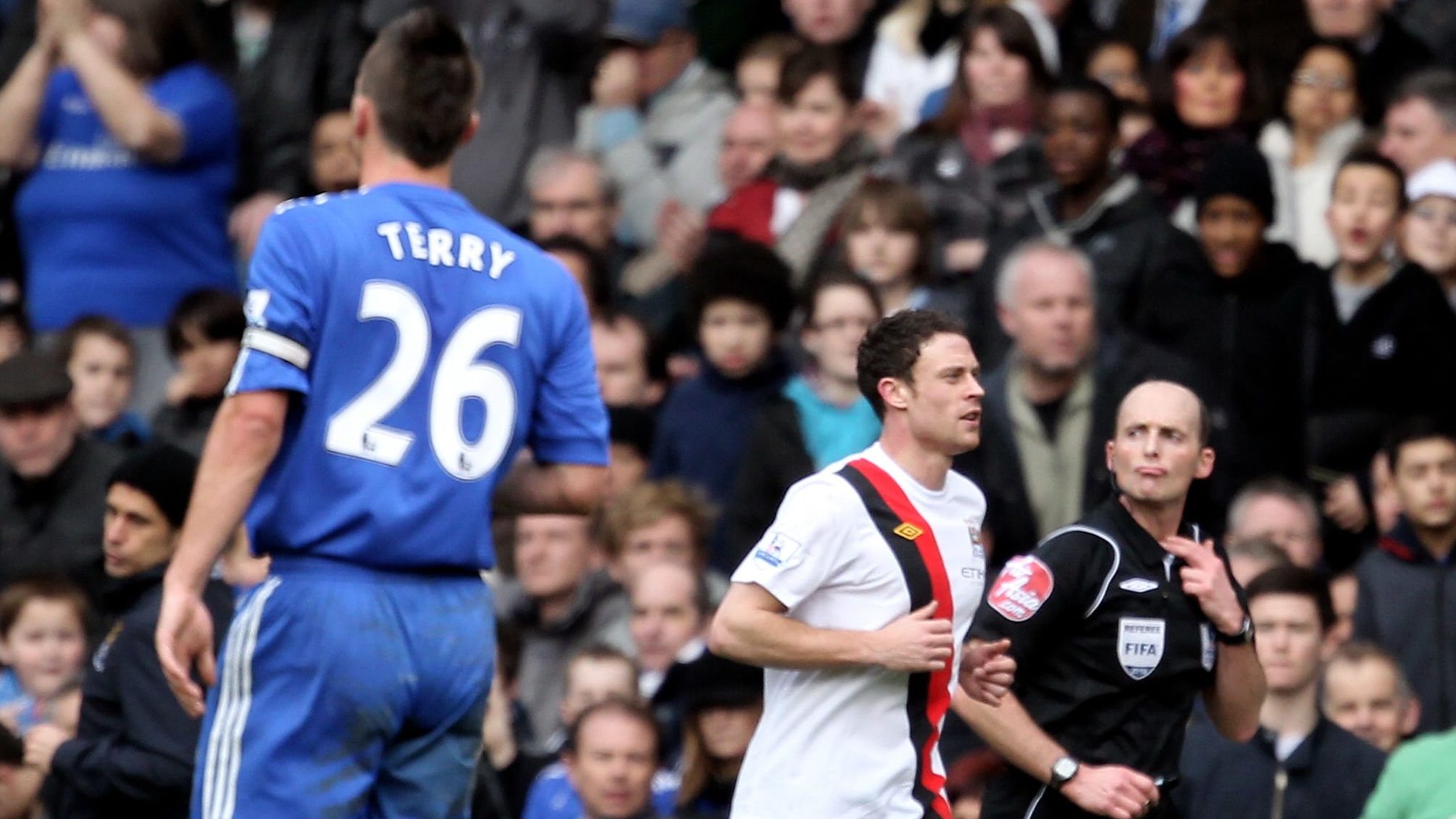
An experienced England international, he initially offered an established option at left-back. His place became less secure as City continued strengthening, however, and loan spells followed at West Ham, Sunderland and eventually Brighton.
His season with Brighton was particularly successful. Playing under Gus Poyet in the Championship, Bridge gave Albion an experienced defender who was also comfortable supporting attacks.
He made 42 appearances and scored three goals during the 2012/13 campaign. His performances earned selection in the PFA Championship Team of the Year, recognition that reflected how effectively he had adapted to his new surroundings.
Bridge is a reminder that a short stay can leave a substantial impression. His Brighton career lasted only one season, but it was a productive chapter after a difficult period finding regular football at City.
3. Paul Dickov
- Manchester City: 1996–2002 and 2006–2008 (Apps: 200 | Goals: 41)
- Brighton: 1994, loan (Apps: 8 | Goals: 5)
Dickov’s place in Manchester City history is secure because of one extraordinary afternoon at Wembley.
In the 1999 Division Two play-off final, City were trailing Gillingham 2–0 as the match entered its closing stages. Kevin Horlock pulled one back before Dickov scored the dramatic equaliser that forced extra time. City eventually won on penalties and escaped the third tier.
Across two spells, Dickov made 200 appearances and scored 41 goals, representing the club through a period of relegations, promotions and rebuilding.
His Brighton connection came earlier, while he was still an Arsenal player. He joined Albion on loan in March 1994 and scored five times in just eight appearances.
Liam Brady, an Arsenal legend himself, was Brighton’s manager. Dickov’s brief spell provided valuable goals during a difficult season for the club.
His two clubs therefore remember very different versions of the same player: Brighton had a young loan striker making an immediate impact, while City gained a forward whose most famous goal became part of the club’s identity.
4. Joe Corrigan
- Manchester City: 1967–1983 (Apps: 603 | Goals: 0)
- Brighton: 1983–1984 (Apps: 42 | Goals: 0)
Few players on this list have a Manchester City legacy comparable to Joe Corrigan’s.
The goalkeeper spent 16 years with the club, becoming an England international and an enduring favourite at Maine Road. His City career included European Cup Winners’ Cup success and two League Cup victories, while his imposing presence earned him the affectionate nickname “Big Joe”.
City’s own retrospective credits him with 603 appearances between 1967 and 1983.
Corrigan’s route to Brighton included a short spell with Seattle Sounders in the United States. He then returned to English football with Albion, making 42 appearances during the 1983/84 season.
There was an amusing background to the move. Before signing him, Brighton had repeatedly enjoyed high-scoring victories against City teams with Corrigan in goal, including their 1983 FA Cup fourth-round meeting. He subsequently found himself representing the club that had caused him so much trouble.
For City supporters, he remains a club legend. His Brighton season is a less familiar chapter in a much longer career.
5. Michael Robinson
- Manchester City: 1979–1980 (Apps: 35 | Goals: 9)
- Brighton: 1980–1983 (Apps: 133 | Goals: 43)
Robinson’s Manchester City career lasted only one season, but it was eventful.
He arrived from Preston North End in 1979 as an expensive young signing during Malcolm Allison’s second spell in charge. City were struggling, and Robinson faced the pressure of developing as a top-flight striker in an unsettled team.
Even so, he finished the season as the club’s leading scorer with nine goals in 35 appearances. One of those goals came in a Manchester derby victory over United.
Brighton signed him in 1980, and his impact was substantial. He scored 19 league goals in his first season and became an important figure in Albion’s top-flight side.
His most memorable contribution came during the 1983 FA Cup run. Robinson scored the winning goal against Sheffield Wednesday in the semi-final at Highbury, sending Brighton to their first FA Cup final. He also scored twice against his former club City earlier in the competition, as recalled in Brighton’s tribute to Robinson.
He later joined Liverpool and eventually became a much-loved broadcaster in Spain. His career connects these clubs through goals, cup football and a remarkable second life away from the pitch.
6. Neil McNab
- Manchester City: 1983–1990 (Apps: 266 | Goals: 19)
- Brighton: 1980–1983 (Apps: 115 | Goals: 5)
McNab may be less familiar to younger Premier League followers, but he deserves a prominent place in this story.
The Scottish midfielder played for Brighton during their early-1980s spell in the First Division before joining Manchester City in 1983. His Brighton record included 115 appearances and five goals across senior competitions.
At City, he became a popular and influential midfielder over seven seasons. His passing, competitiveness and ability to control the rhythm of a match made him valuable during years when the club’s fortunes fluctuated.
Supporters voted him City’s Player of the Year in both 1986/87 and 1988/89. The second award came during a promotion-winning campaign, underlining his importance to the team. He finished with 266 appearances and 19 goals.
McNab’s story helps explain why looking only at recent Premier League seasons gives an incomplete picture of the connection between these clubs.
7. Gordon Smith
- Manchester City: 1984–1985 (Apps: 49 | Goals: 15)
- Brighton: 1980–1984 (Apps: 125 | Goals: 25)
Smith is inseparable from Brighton’s appearance in the 1983 FA Cup final.
He scored Albion’s opening goal against Manchester United at Wembley, but the match is also remembered for his late opportunity in extra time. United goalkeeper Gary Bailey saved, leaving the score at 2–2 before Brighton lost the replay.
That single moment has often overshadowed the goal Smith had already scored and his wider contribution to the club. Across his Brighton career, he registered 25 goals in 125 appearances.
He subsequently moved to Manchester City in March 1984. His most productive City campaign was 1984/85, when he scored 14 goals as the club won promotion back to the First Division.
His overall City record was 15 goals in 49 appearances.
Alongside Robinson, Smith gives this list a strong connection to one of the most memorable periods in Brighton’s history.
8. Abdul Razak
- Manchester City: 2011–2013 (Apps: 10 | Goals: 0)
- Brighton: 2012, loan (Apps: 6 | Goals: 0)
Razak represents a different kind of connection: a young player seeking senior experience away from a club with an increasingly competitive first-team squad.
The Ivorian midfielder made ten first-team appearances for Manchester City, including five in the Premier League. Most of his opportunities came through substitute appearances and domestic cup football.
He joined Brighton on loan in February 2012, arriving alongside fellow City midfielder Gai Assulin. Razak played six times before returning to Manchester.
City explained that Brighton midfielder Gary Dicker had recovered from injury sooner than expected, reducing the opportunities available to the loanee.
Although his stays at both clubs were brief, Razak qualifies for the main list because he made senior first-team appearances for each.
- READ MORE:
Other Players Who Played for Manchester City and Brighton
The connection extends beyond those eight profiles. The following players also represented both clubs at senior level, including several whose careers predate Brighton’s entry into the Football League.
| Player | Connection between the clubs |
|---|---|
| Ian Mellor | Began his professional career at City and later became an important Brighton forward during the 1970s. |
| Tony Grealish | Captained Brighton in the 1983 FA Cup final and later played for Manchester City. |
| Justin Fashanu | Represented Brighton in the mid-1980s and made two league appearances for City in 1989. |
| Paul Moulden | Played for City before a loan spell at Brighton in 1992. |
| Simon Rodger | Joined City on loan in 1996 and later played permanently for Brighton. |
| Scott Thomas | A City-developed midfielder who spent time on loan at Brighton in 1998. |
| Jeff Clarke | Played for City early in his career and joined Brighton on loan in 1984. |
| Roy Little | A member of City’s 1956 FA Cup-winning team who subsequently moved to Brighton. |
| Ken Whitfield | Represented City in the early 1950s before spending several seasons with Brighton. |
| Frank Buckley | Played for both clubs during the early twentieth century. |
| Albert Fisher | Represented Brighton in the Southern League and Manchester City in the Football League. |
| Julius Gregory | Played for City before joining Brighton in 1906. |
| Jack Doran | Moved from Brighton to Manchester City in 1922. |
| Bob Dennison | Played for Brighton in 1924/25 before joining City. |
| John Payne | Represented City in the early 1930s and Brighton in 1934. |
These names bring the list covered here to 23 senior players. Their careers span several generations, showing that the relationship stretches far beyond the modern Premier League era.
- READ MORE:
Academy Connections and Players Who Never Made a First-Team Appearance
A broader search produces additional familiar names. However, playing for a club’s academy, representing its under-21 side or signing a senior contract does not necessarily mean appearing for its first team.
That distinction matters for the following players.
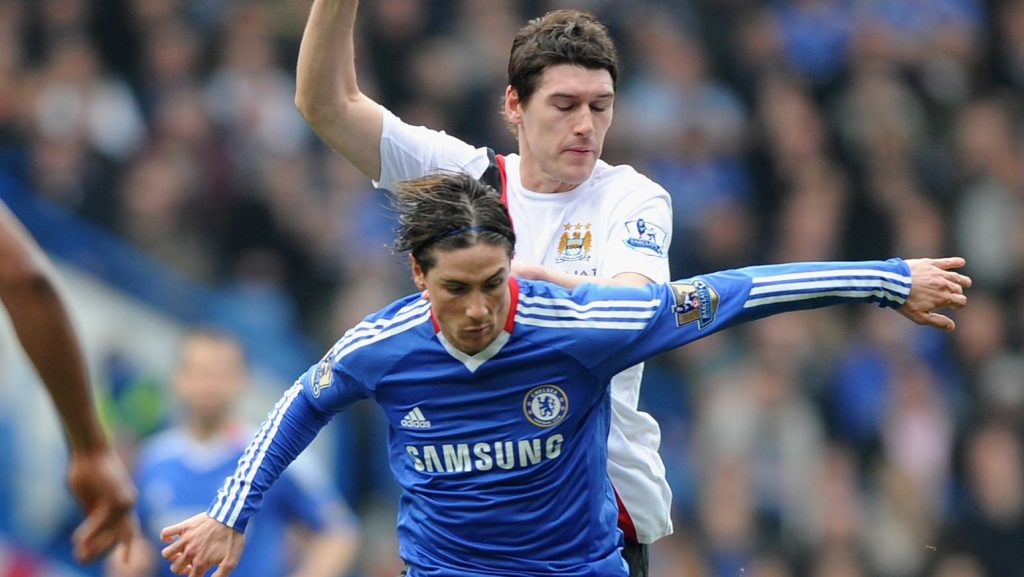
Gareth Barry: Brighton Academy to Manchester City Champion
Barry developed in Brighton’s youth system before moving to Aston Villa in 1997. He never made a senior first-team appearance for Albion.
His Manchester City career was very different. He became an established midfielder and helped the club win the FA Cup and Premier League.
Barry therefore has a meaningful connection to both clubs, but he belongs in an academy-related category when the main list requires first-team appearances for each.
Taylor Richards: Manchester City Youth Football to Brighton’s First Team
Richards followed the opposite route.
After developing at Fulham, he joined Manchester City’s youth system at 14. Brighton signed him in 2019, and he made his professional first-team debut for Albion in a League Cup match against Aston Villa that September.
His City record includes youth and under-21 football, including appearances in the EFL Trophy. Those matches should be distinguished from appearances for City’s senior first team.
Richards is a useful example of why an automated shared-player list can sometimes be misleading: both clubs appear on his record, but the level at which he represented them was different.
Aaron Mooy, Gai Assulin and David González: Contracted to City, Without a Senior Appearance
These three players also need an explanation, although their connections are not all academy stories.
Aaron Mooy signed for Manchester City in 2016 but never appeared for the first team. His route to Brighton came through Huddersfield Town, where he established himself in English football.
Gai Assulin joined Brighton on loan from City in 2012 alongside Abdul Razak. However, unlike Razak, he never made a senior first-team appearance for Manchester City.
David González, the Colombian goalkeeper, also belonged to City without making a first-team appearance. Brighton signed him in January 2012 after his release.
Their stories remain part of the relationship between Manchester City and Brighton. Keeping them separate makes it clear which players actually took the field for both senior teams.
From Milner’s longevity and Bridge’s successful loan to Corrigan’s late-career move and the careers of Robinson, Smith and McNab, these shared players reveal several eras of both clubs. The academy connections add another layer, showing how often a footballing relationship begins before a player reaches the first team.
You have just read the article “Players Who Played for Both Manchester City and Brighton”. Follow 52HzFootball for more captivating stories about football, geography and culture.
