
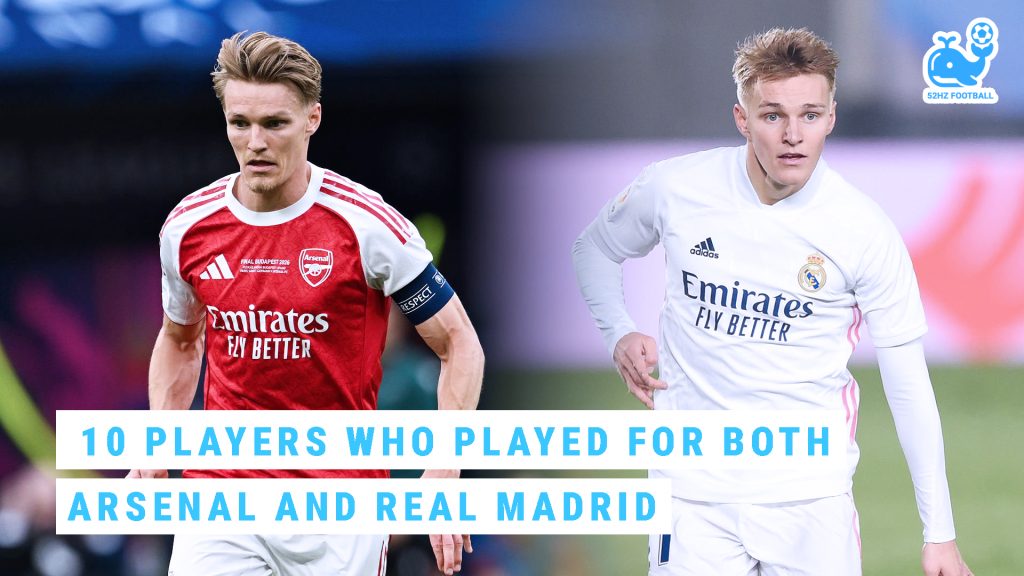
With a Vinicius Jr to Arsenal move making headlines, discover 10 players who played for both Arsenal and Real Madrid.
Historically, the relationship between Arsenal and Real Madrid has been one of mutual respect rather than bitter hostility. Separated by geography and rarely colliding in the knockout stages of the Champions League, the two clubs exist as royalty in their respective domains.
Because they lack a competitive rivalry on the pitch, their boardrooms have often found it remarkably easy to conduct business.
For decades, the dynamic was well-established. Real Madrid acted as the apex predator of the European market, stockpiling the world’s most glamorous talent. Arsenal, under Arsène Wenger, was the astute academy, polishing raw gems.
When Madrid had a surplus of elite playmakers who found themselves squeezed out of the starting XI, Arsenal was frequently the beneficiary, offering a loving home and the keys to their midfield. Alternatively, when an Arsenal prodigy outgrew the Premier League, the Bernabéu beckoned.
From direct mega-transfers to peculiar loan exchanges, we take a detailed look back at the 10 players who played for both Arsenal and Real Madrid.
1. Emmanuel Adebayor
- Arsenal: 2005-2008 (Apps: 125 | Gls: 54 | Ast: 18), Real Madrid: 2010 (Apps: 20 | Gls: 7 | Ast: 0)
A mercurial striker whose career was defined by brilliant highs and dramatic exits.
Adebayor arrived at Highbury in early 2006 from Monaco for a modest £3 million. The towering Togolese forward blossomed into one of the Premier League’s most feared marksmen, notably netting 30 times across all competitions during a sensational 2007-08 campaign.
Following a lucrative and highly controversial transfer to Manchester City, Adebayor found himself out of favour in Manchester. In a surprise twist, José Mourinho brought him to Real Madrid on a short-term loan in January 2011.
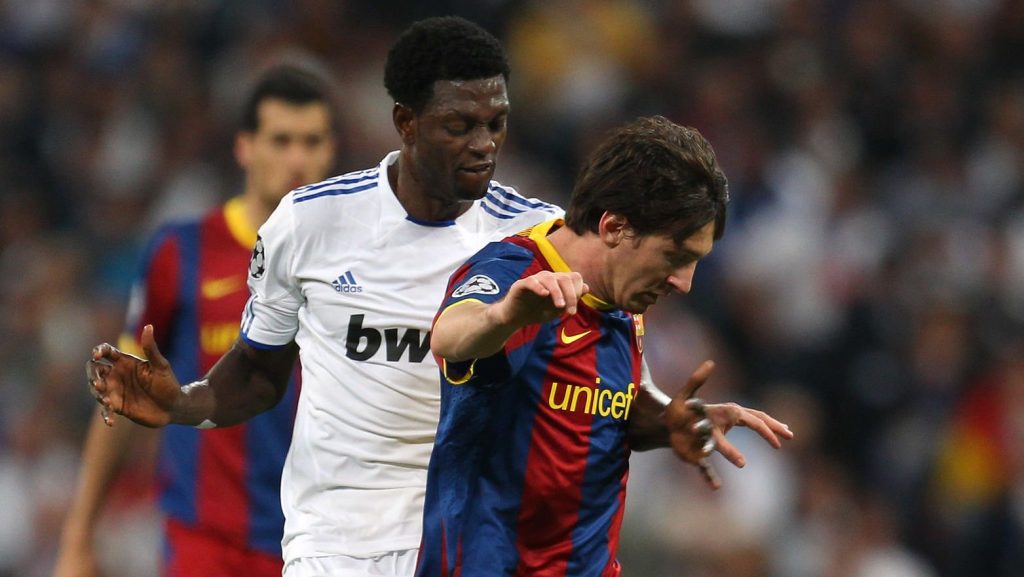
Serving as an emergency target man, Adebayor embraced the role. He scored pivotal goals, including a brace against Tottenham Hotspur in the Champions League, ultimately adding a Copa del Rey medal to his collection before returning to England.
2. Nicolas Anelka
- Arsenal: 1996-1998 (Apps: 72 | Gls: 24 | Ast: 12), Real Madrid: 1999 (Apps: 30 | Gls: 4 | Ast: 3)
Arsène Wenger unearthing a 17-year-old Anelka from Paris Saint-Germain for £500,000 remains one of the greatest bargains in English football history. “Le Sulk” possessed terrifying pace and icy composure, spearheading Arsenal’s attack to the 1997-98 domestic double and winning the PFA Young Player of the Year award.
His explosive form commanded a £22.3 million transfer to Real Madrid in 1999. However, the pressure of the Galáctico environment proved overwhelming for the young Frenchman.
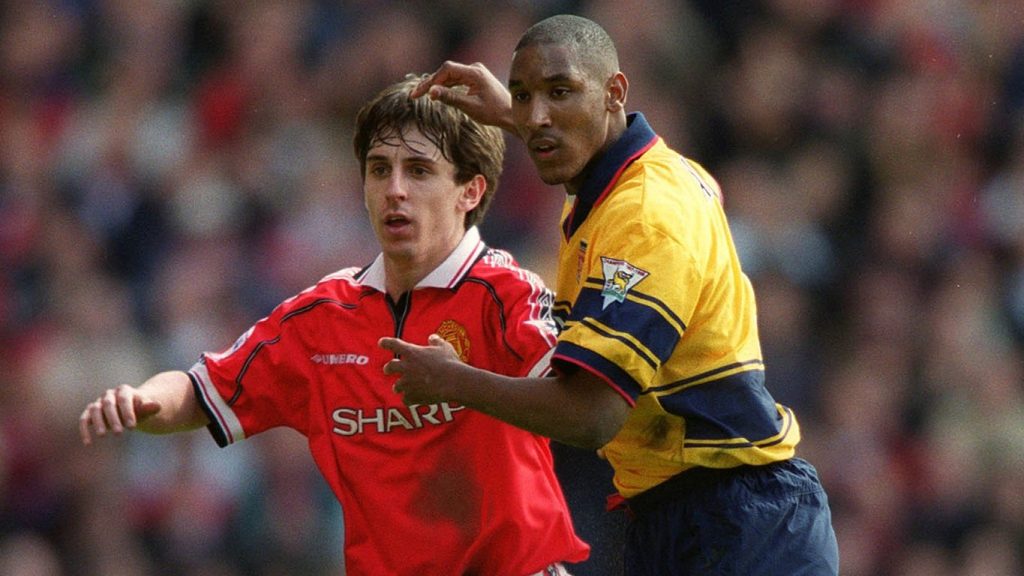
Anelka’s lone season in Spain was marred by dressing room isolation and a brief club suspension. Yet, in typical enigmatic fashion, he justified his price tag by scoring decisive goals against Bayern Munich in the Champions League semi-finals, securing Madrid’s path to European glory.
3. José Antonio Reyes
- Arsenal: 2003-2005 (Apps: 89 | Gls: 17 | Ast: 25), Real Madrid: 2006 (Apps: 34 | Gls: 7 | Ast: 2)
Arsenal broke their transfer record in January 2004, paying a fee rising to £17 million to acquire Reyes from Sevilla. The Spaniard provided the exact injection of flair needed to help Arsenal cross the finish line of their famous “Invincibles” season.
Despite domestic success, Reyes struggled to settle in England, grappling with intense homesickness. This led to an unprecedented loan swap deal in 2006 that saw him return to Spain with Real Madrid.
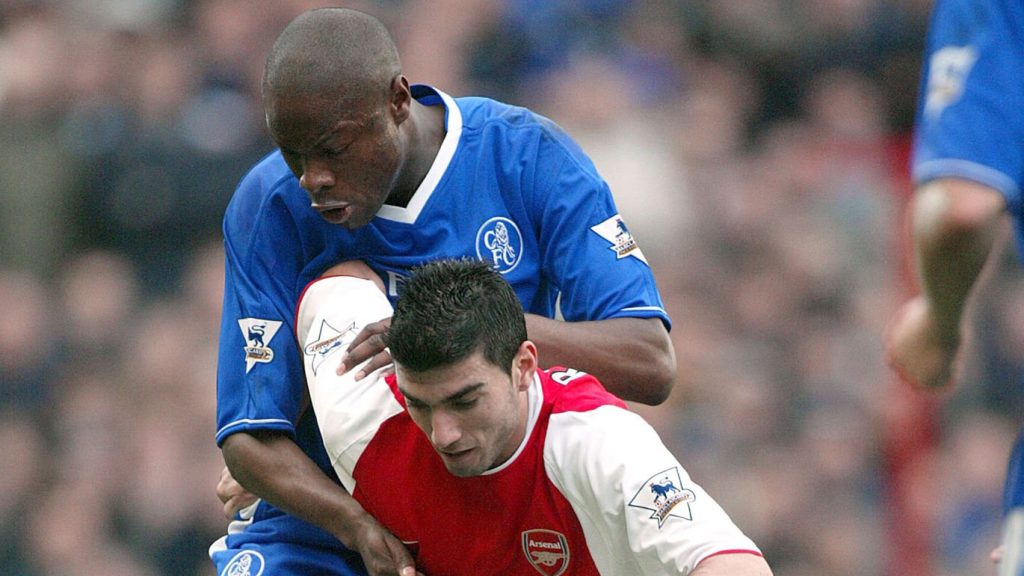
While he was not a guaranteed starter under Fabio Capello, Reyes etched his name into Madrid folklore on the final day of the season. Coming off the bench, he scored two stunning goals against Mallorca to win the match and deliver the 2006-07 La Liga title.
4. Kepa Arrizabalaga
- Real Madrid: 2023 (Apps: 20 | Gls: 0 | Ast: 0), Arsenal: 2025 (Apps: 12 | Gls: 0 | Ast: 0)
A highly experienced goalkeeper who found himself playing vital supporting roles for both heavyweights later in his career.
In 2023, following a devastating ACL injury to Thibaut Courtois, Real Madrid secured Kepa on loan from Chelsea. He performed admirably during the first half of the campaign, keeping several clean sheets before Andriy Lunin eventually took the reins.
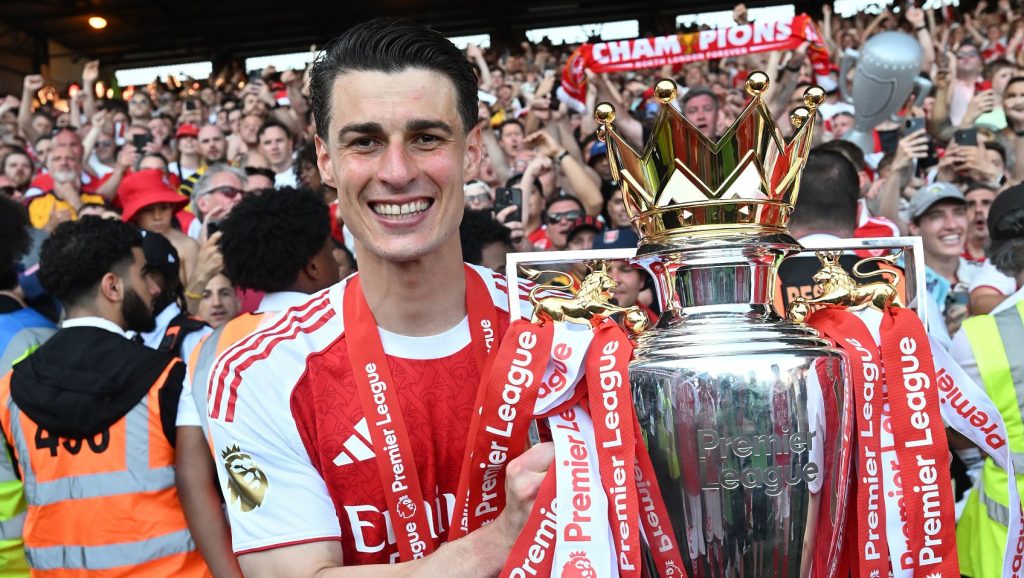
In a surprising turn of events in 2025, Mikel Arteta brought Kepa to Arsenal to serve as a high-quality deputy. Bringing a wealth of Premier League and European experience to the dressing room, Kepa was trusted with domestic cup duties and European rotation, proving to be a highly dependable asset for the Gunners whenever called upon.
5. Júlio Baptista
- Real Madrid: 2005-2007 (Apps: 66 | Gls: 12 | Ast: 3), Arsenal: 2006 (Apps: 28 | Gls: 4 | Ast: 2)
Nicknamed “The Beast”, Baptista was a physical anomaly who boasted moments of sheer devastation. Real Madrid purchased the Brazilian from Sevilla in 2005 for €20 million.
While he struggled to find a consistent rhythm amid a chaotic era of managerial changes at the Bernabéu, he famously scored the winning goal against Barcelona in El Clásico.
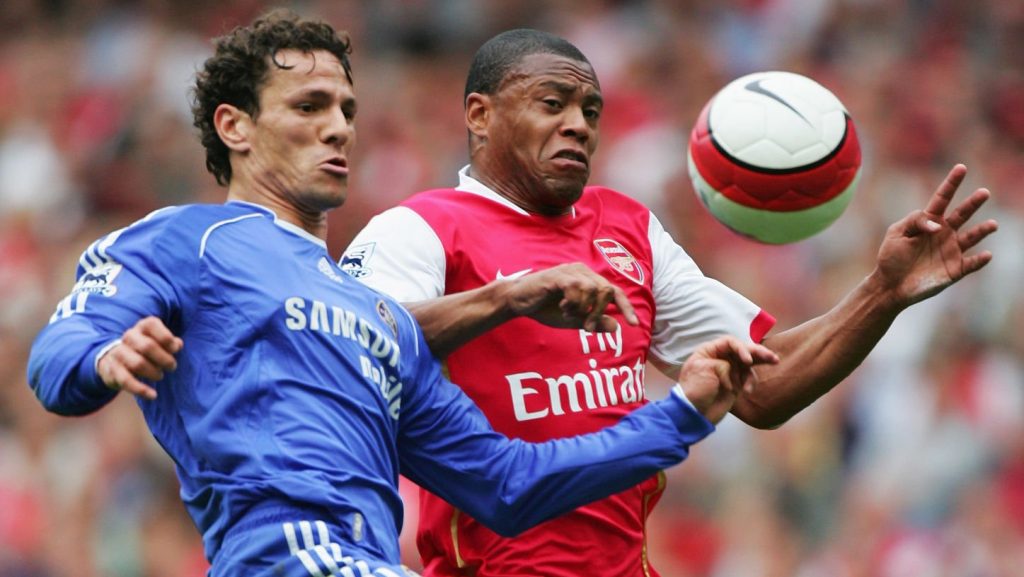
To secure regular football, Baptista was sent to Arsenal in 2006 as the counterweight to the José Antonio Reyes loan swap. His time in the Premier League was largely underwhelming as he struggled with the frantic pace of the English game.
However, Arsenal fans will forever remember his League Cup heroics, specifically a breathtaking four-goal haul against Liverpool in a historic 6-3 demolition at Anfield.
6. Dani Ceballos
- Real Madrid: 2017-2025 (Apps: 213 | Gls: 7 | Ast: 16), Arsenal: 2019-2020 (Apps: 77 | Gls: 2 | Ast: 5)
Ceballos joined Real Madrid as one of Spain’s brightest prospects in 2017. However, trying to displace the legendary trio of Casemiro, Kroos, and Modrić proved to be an impossible task.
Seeking the spotlight, Ceballos joined Arsenal for two consecutive loan spells beginning in 2019. He endeared himself to the Emirates crowd immediately with a spinning, dictatorial Man of the Match display against Burnley. Ceballos became a trusted lieutenant during Mikel Arteta’s early tenure, forming a solid midfield pivot that was instrumental in Arsenal capturing the 2020 FA Cup.
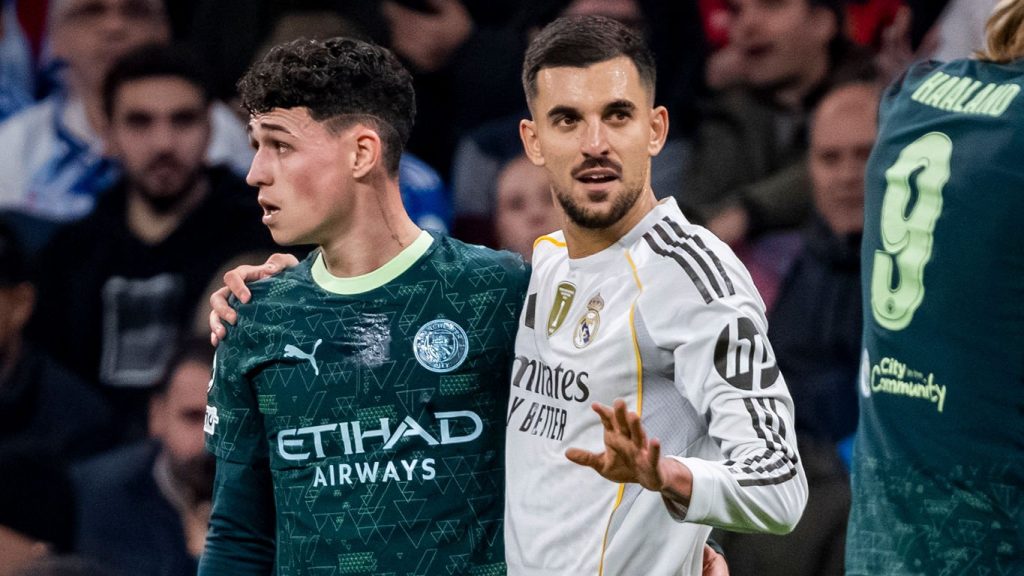
Returning to the Bernabéu after his English excursion, Ceballos carved out a new chapter, maturing into an appreciated rotation piece. Overcoming injury setbacks, his relentless work rate and technical security earned him crucial minutes.
7. Lassana Diarra
- Arsenal: 2007 (Apps: 10 | Gls: 0 | Ast: 0), Real Madrid: 2008-2012 (Apps: 109 | Gls: 1 | Ast: 5)
Wenger signed the young Frenchman from Chelsea in 2007, but Diarra quickly grew intensely frustrated playing understudy to Mathieu Flamini. Refusing to wait for his chance, he demanded a transfer after just five months and 10 appearances.
A stellar stint at Portsmouth followed, proving his immense quality and prompting Real Madrid to spend €20 million on him in December 2008. At the Bernabéu, Diarra finally found a stage befitting his talents.
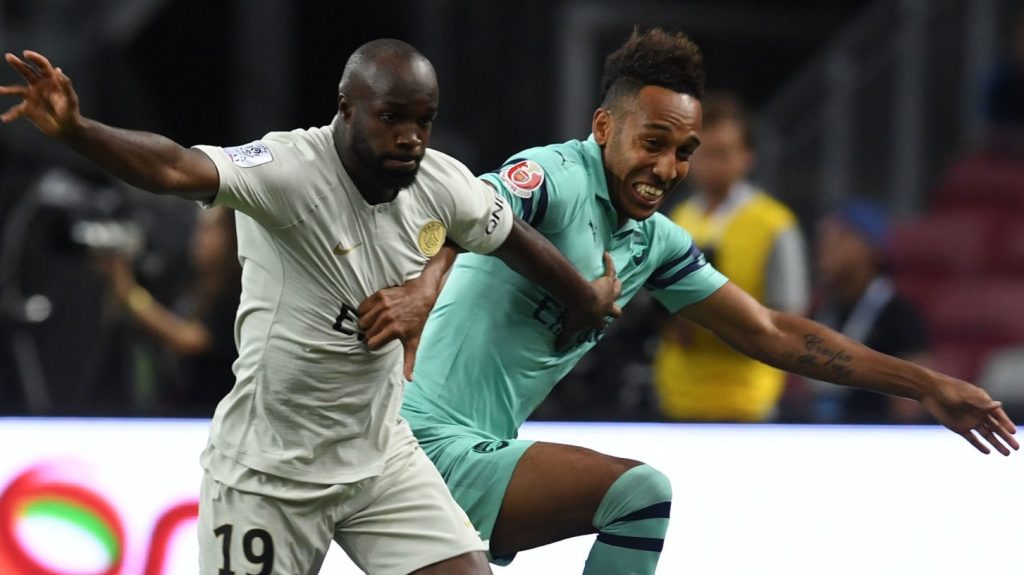
He became a vital defensive anchor, inexplicably inheriting the number 10 shirt, and spent nearly four successful years shielding the Galácticos’ defence, winning a La Liga title in the process.
8. Mesut Ozil
- Real Madrid: 2010-2013 (Apps: 136 | Gls: 23 | Ast: 60), Arsenal: 2013-2019 (Apps: 247 | Gls: 43 | Ast: 70)
A generational playmaker and arguably the most impactful modern transfer between the two clubs. Real Madrid acquired the German visionary for a mere €15 million in 2010. Over three seasons, Özil was the undisputed king of assists, forging a telepathic, devastating partnership with Cristiano Ronaldo that delivered the 2011-12 La Liga title.
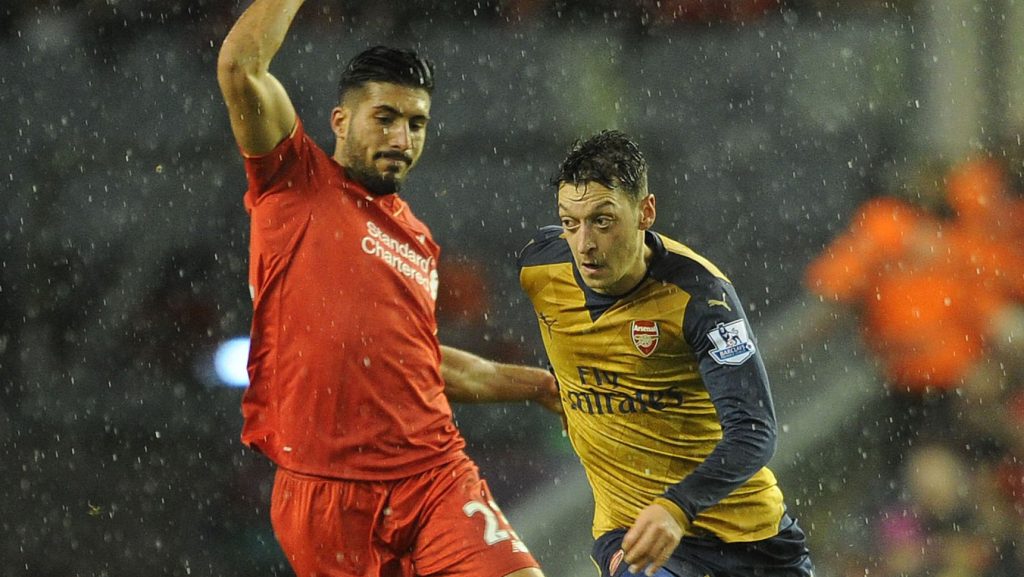
When Madrid decided to sell in the summer of 2013, Arsenal ruthlessly pounced. In a £42.5 million deadline-day blockbuster that shattered the club’s transfer record, Özil shifted the entire landscape of English football. He immediately ended Arsenal’s nine-year trophy drought, eventually winning four FA Cups.
With his languid style, bounce passes, and unparalleled vision, he became an undeniable modern icon in North London.
9. Martin Odegaard
- Real Madrid: 2014-2020 (Apps: 11 | Gls: 0 | Ast: 0), Arsenal: 2020-2025 (Apps: 234 | Gls: 42 | Ast: 43)
A narrative of unfulfilled potential transformed into inspirational leadership.
Signed by Real Madrid at just 16 years old amid a global media circus, Odegaard was supposed to be the future. Yet, the step up to the first team was too steep, too soon. After endless loans and just 11 senior appearances over six years, his Madrid dream faded.
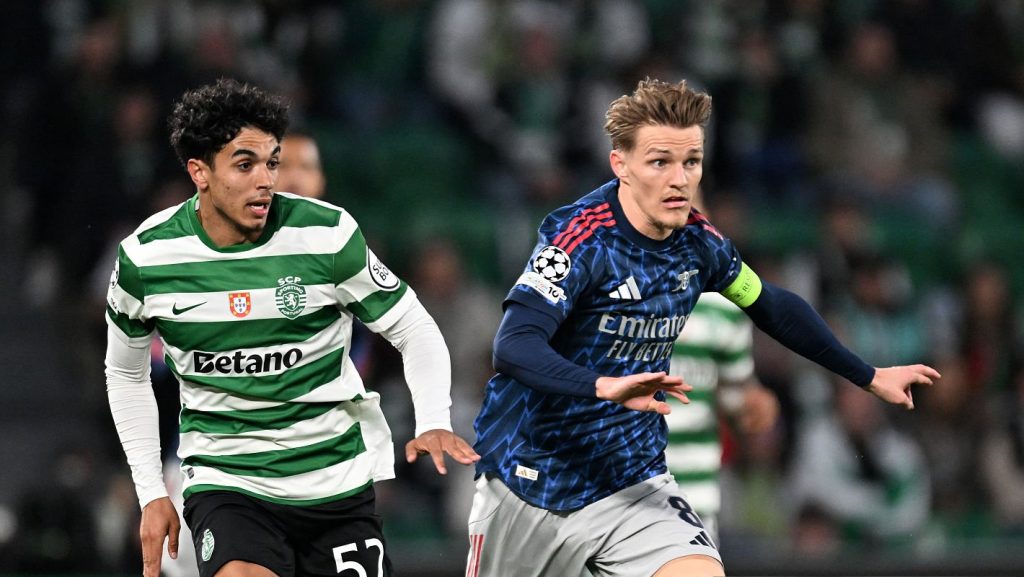
Arsenal initially offered him a temporary sanctuary in 2021 before sealing a permanent £30 million transfer. In North London, Odegaard evolved from a fleeting talent into a relentless, world-class orchestrator. Handed the captain’s armband by Arteta, he became the talismanic heartbeat of a reborn Arsenal side, proving that Madrid’s discard can become another club’s king.
10. Davor Suker
- Real Madrid: 1996-1998 (Apps: 98 | Gls: 43 | Ast: 0), Arsenal: 1999 (Apps: 35 | Gls: 10 | Ast: 3)
A deadly poacher with a magical left foot.
Real Madrid brought the Croatian to the Bernabéu in 1996, and he immediately repaid their faith. Šuker was sensational in his debut season, firing 24 league goals to secure the title, and followed it up by helping Madrid end a three-decade wait to win the Champions League in 1998.
In 1999, shortly after winning the Golden Boot at the World Cup, a 31-year-old Šuker transferred to Arsenal for £3.5 million to replace the Madrid-bound Nicolas Anelka.
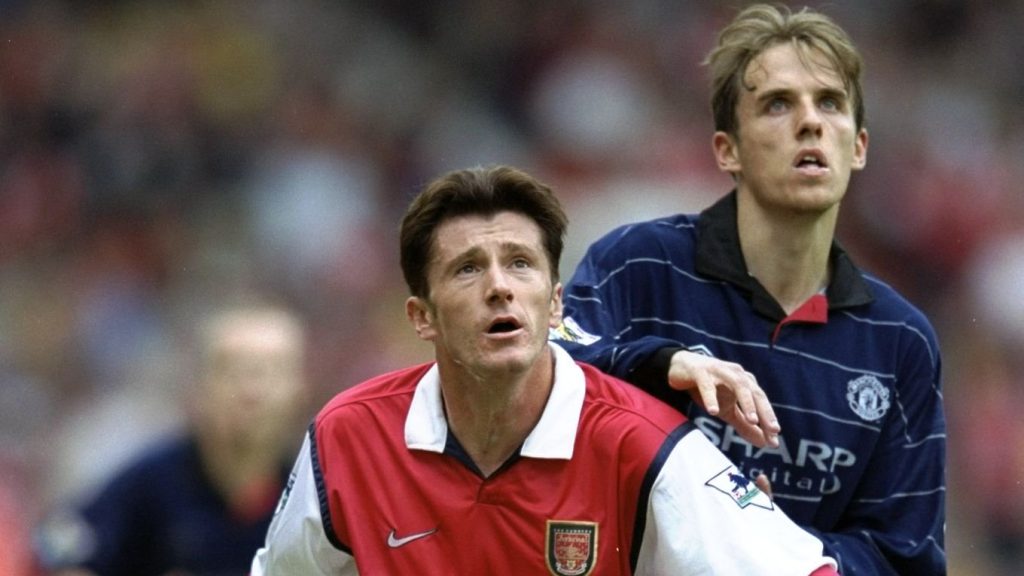
While he was undeniably past his physical peak, his class remained evident. He contributed 10 goals in 35 appearances, helping Arsenal reach the UEFA Cup Final before making a move across London to West Ham United.
Frequently Asked Questions (FAQ): Players Who Played for Both Arsenal and Real Madrid
Q: Have Arsenal and Real Madrid ever directly swapped players?
Yes, they have. During the summer of 2006, the two clubs agreed to a highly unusual loan swap deal. Arsenal sent Spanish winger José Antonio Reyes to Real Madrid on a season-long loan, while Brazilian powerhouse Júlio Baptista went in the opposite direction to the Emirates. Both players returned to their parent clubs the following summer.
Q: Who is considered the most successful transfer from Real Madrid to Arsenal?
A: Mesut Özil and Martin Odegaard stand head and shoulders above the rest. Ozil’s £42.5 million arrival in 2013 was a watershed moment that brought instant silverware back to the Emirates.
However, Martin Odegaard’s permanent transfer in 2021 for roughly £30 million has been equally transformative, with the Norwegian becoming the club captain and the central pillar of Mikel Arteta’s tactical rebuild.
Q: Why do Arsenal and Real Madrid do so much transfer business?
A: The pipeline exists largely due to differing club strategies and a lack of direct rivalry. Real Madrid frequently upgrades their squad with “Galácticos”. Arsenal has historically been the perfect landing spot for these players, offering them a top-level stage in the Premier League to rebuild their careers.
Because the two clubs are not domestic rivals, negotiations are rarely clouded by bitterness.
You have just read the article “Vinicius Jr to Arsenal? 10 Players Who Played for Both Arsenal and Real Madrid”. Follow 52Hz Football for more captivating stories about football, geography and culture.
READ MORE:
All Man United and Aston Villa Players: From Yorke to Rashford, Garnacho
