
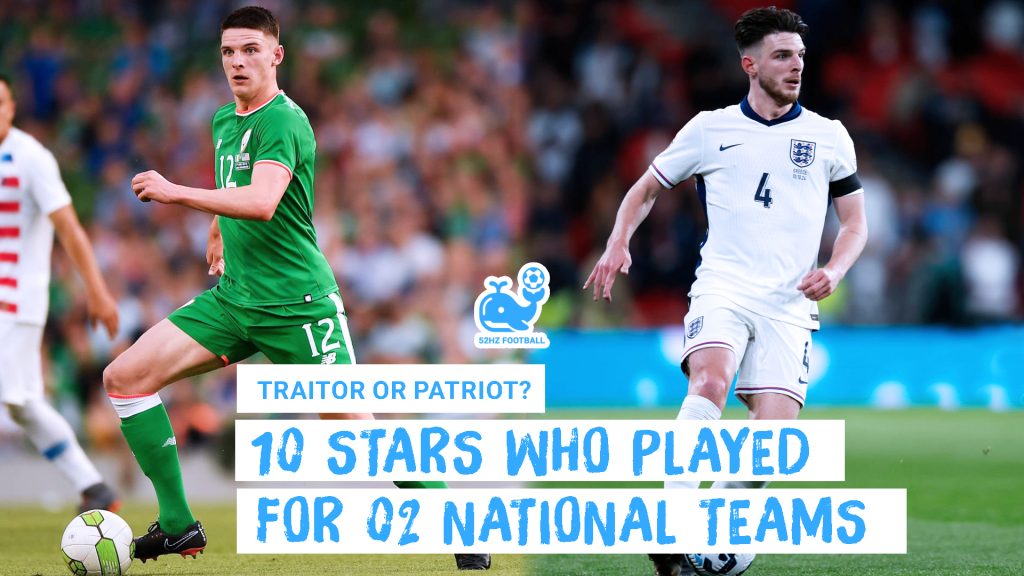
Discover the stories behind 10 players who played for two national teams, featuring Declan Rice, Diego Costa and Brahim Díaz.
In football, loyalty is often measured by club colors, but at the international level, it can be a fateful gamble.
Football history is littered with players who made the bold choice to swap allegiances. They traded one passport for another in search of success, and for many, that gamble paid off spectacularly.
Here are 10 players who played for two national teams.
10. Declan Rice (Republic of Ireland – England)
Born in London, Declan Rice was eligible to play for the Republic of Ireland through his paternal grandparents from Cork. In fact, between 2015 and 2018, he was a key figure for Ireland’s U17, U19, and U21 sides. He even earned three senior caps for Ireland in 2018, playing friendlies against Mexico, Uruguay, and a World Cup qualifier against Austria (on the bench).
However, in August 2018, manager Martin O’Neill left him out of the squad. At that moment, the midfielder born in 1999 was deliberating a switch to England.
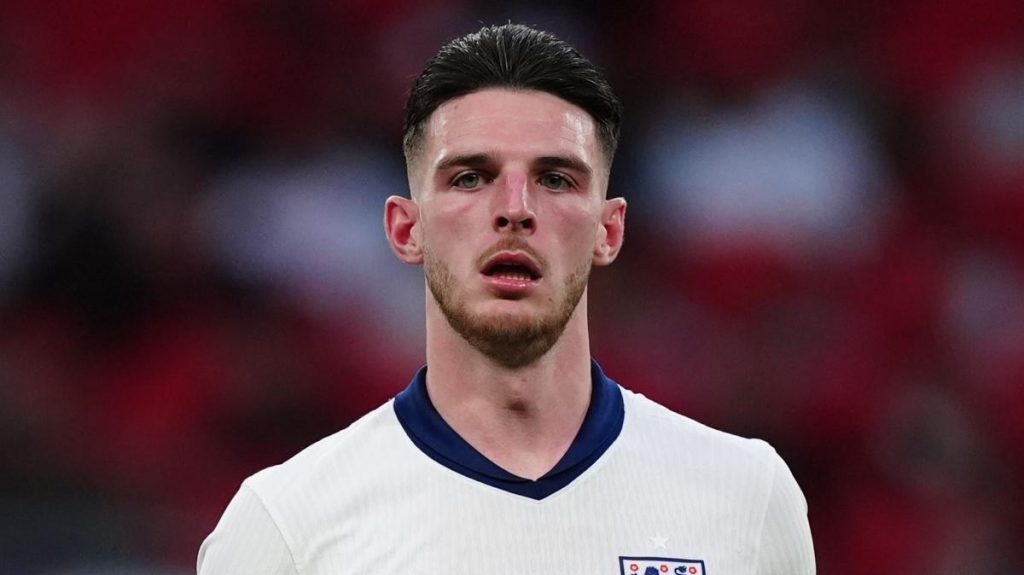
Image: Getty Images
By March 2019, FIFA approved his request to switch allegiance. Since then, the Arsenal midfielder has been a permanent fixture in the “Three Lions” squad at every major tournament, leaving Irish fans to wonder “what if”.
9. Wilfried Zaha (England – Ivory Coast)
Born in Abidjan, Ivory Coast, Zaha grew up in England and began his career at Crystal Palace. He made his England debut in November 2012, replacing Raheem Sterling in the 84th minute. That match is famous for Zlatan Ibrahimović’s insane bicycle kick against Joe Hart. Zaha played another 15 minutes in a friendly against Scotland in August 2013. Those were his final minutes for England.
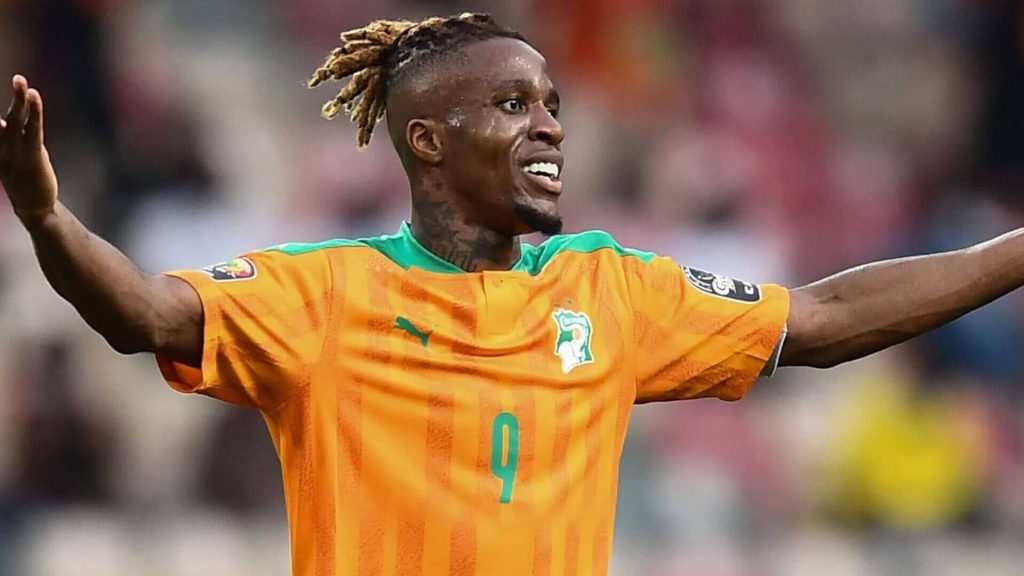
Image: Getty Images
After a failed move to Manchester United, Zaha fell off the England radar. In November 2016, fed up with being ignored, he switched allegiance to Ivory Coast. There, he became a genuine star, regularly competing in major international tournaments – something he likely would never have achieved had he waited for England.
8. Nacer Chadli (Morocco – Belgium)
Born in Liège, Belgium, Nacer Chadli also holds Moroccan heritage. In 2010, he represented Morocco in a friendly against Northern Ireland and was even named Man of the Match.
However, just months after that impressive debut, Chadli stunned Moroccan fans by announcing his desire to switch to Belgium. Since his appearance for the “Atlas Lions” was only in a friendly, FIFA granted his request.
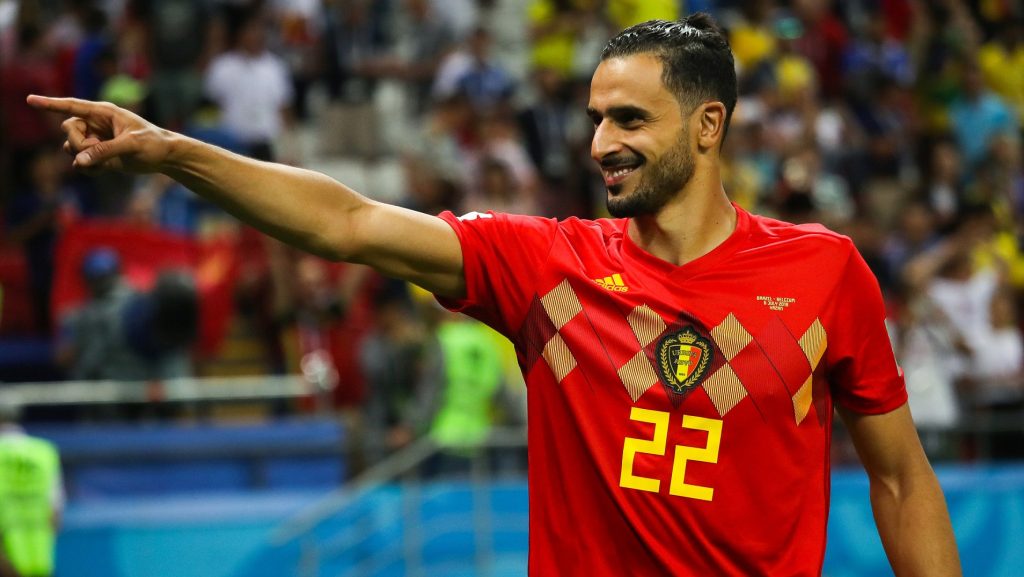
Image: Getty Images
In the red shirt of Belgium, Chadli accepted a role as a squad player but left indelible marks, including the dramatic 94th-minute winner against Japan in the Round of 16 at the 2018 World Cup.
7. Diego Costa (Brazil – Spain)
Born in Brazil, Diego Costa didn’t come through famous academies but moved to Europe early. In 2013, while at the peak of his powers with Atlético Madrid, he played two friendlies for Brazil against Italy and Russia. However, he was merely a backup to strikers like Fred and Jô.
In October 2013, a bombshell dropped: Costa submitted a request to FIFA to switch to Spain (having lived there for five years). The Brazilian Football Confederation (CBF) was furious, with manager Luiz Felipe Scolari declaring: “He has turned his back on the dream of millions.” He was stripped of his Brazilian citizenship and branded a traitor.
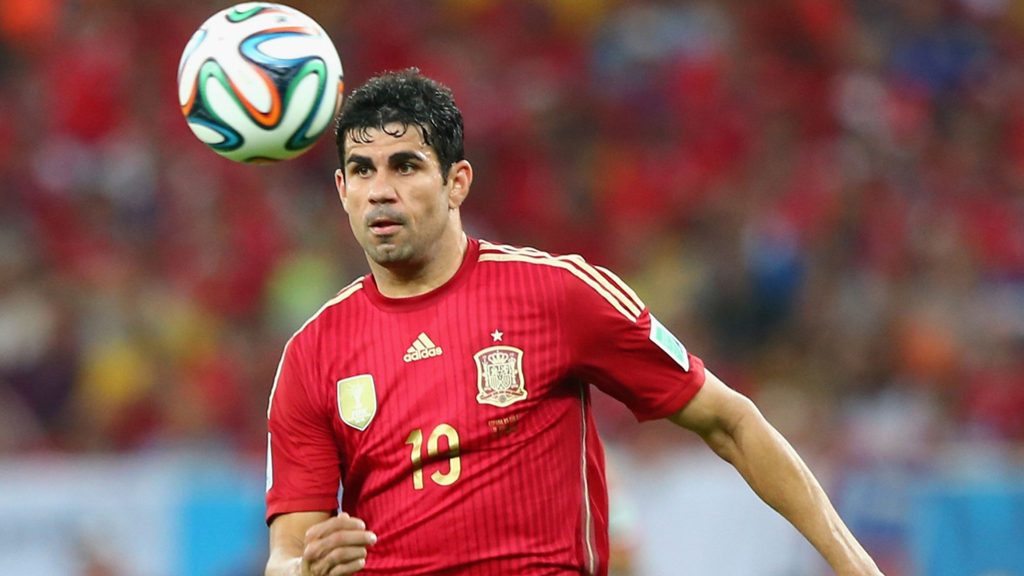
Image: Getty Images
Despite immense pressure, Costa proved he was right. He was Spain’s undisputed starter at the 2014 and 2018 World Cups. He went from being a “maybe” in Brazil to a key pillar for La Roja, famously scoring a brace against Portugal in 2018.
Overall, he didn’t win trophies, but he won status.
6. Munir El Haddadi (Spain – Morocco)
Munir‘s story is perhaps the most dramatic, as it changed FIFA’s laws forever.
Once the brightest jewel of La Masia, Munir played just 13 minutes for Spain in 2014. That brief cameo became a “glass cage”, locking him out of international football for seven years. Under the strict rules at the time, those 13 minutes prevented him from representing Morocco, his parents’ homeland.
After a persistent legal battle by Munir and the Moroccan FA, FIFA changed the rules in 2020, allowing players to switch if they had played limited games for their first nation before a certain age.
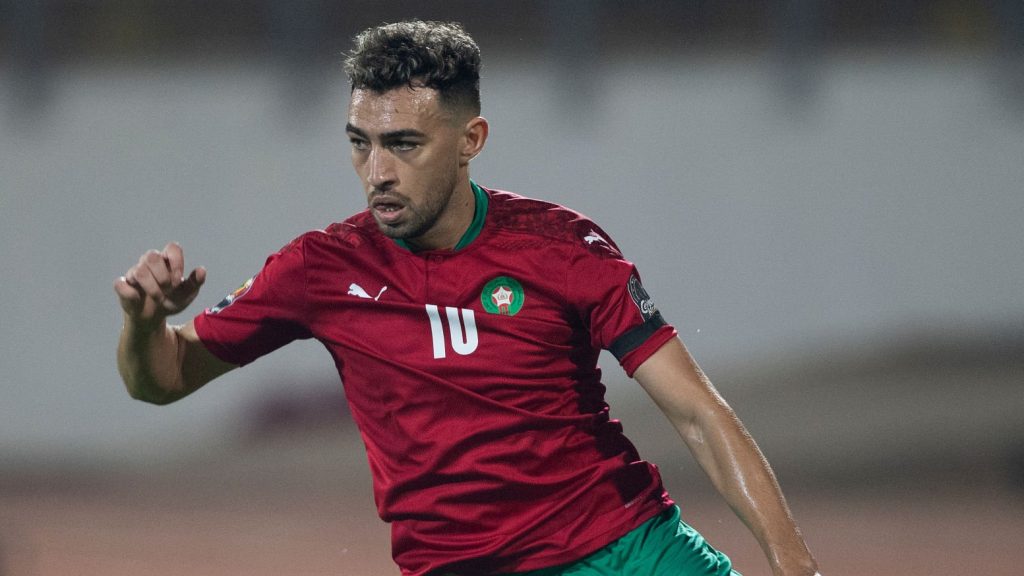
Image: Getty Images
Munir returned to Morocco and immediately became part of a new golden generation. Although his form later dipped, he paved the way for dual-nation players to choose their heritage without fear of being locked out forever.
5. Thiago Motta (Brazil – Italy)
Another Brazilian who gave up the yellow shirt for European opportunities.
Once a promising prospect, Motta played for Brazil at the 2003 Gold Cup. However, persistent injuries and fierce competition left him in the international wilderness for nearly a decade.
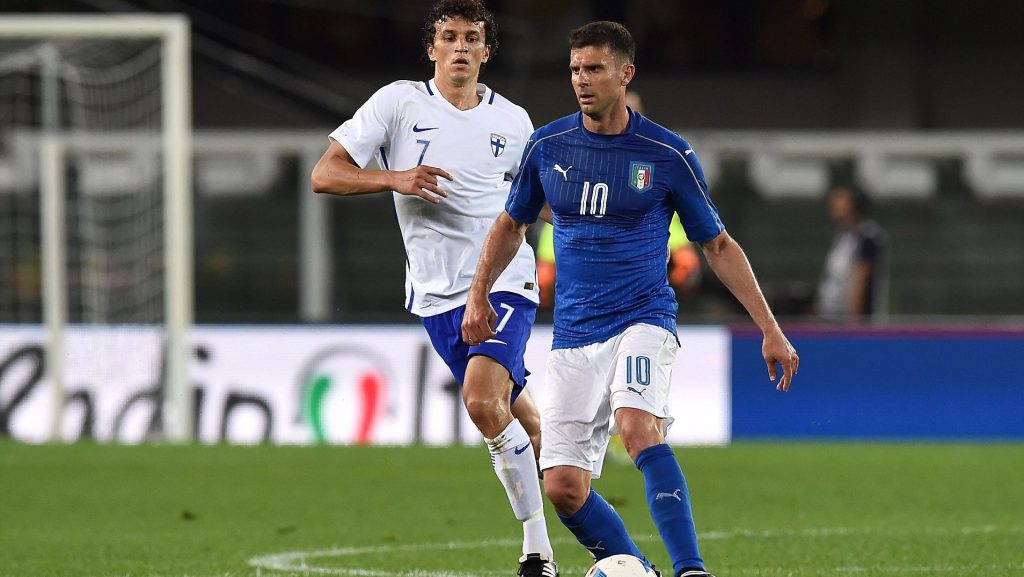
Image: Getty Images
Instead of fading away, Motta revived his career in Europe and acquired Italian citizenship through his great-grandfather. Eight years after his Brazil debut, he debuted for Italy against Germany.
His peak came at Euro 2012, where he played a key figure in Italy’s run to the final. He is one of the rare naturalized players to represent Italy at two World Cups and two Euros.
4. Jermaine Jones (Germany – USA)
Once considered one of Germany‘s most promising defensive midfielders, Jones earned three caps under Joachim Löw in 2008. But his career stalled amidst a surplus of German midfield talent.
His decision to switch to the USA in 2009 wasn’t just a career move; it was an explosion. Jones brought a steel, aggression, and fierce personality that the USMNT lacked. He quickly became the leader of Jürgen Klinsmann’s midfield.
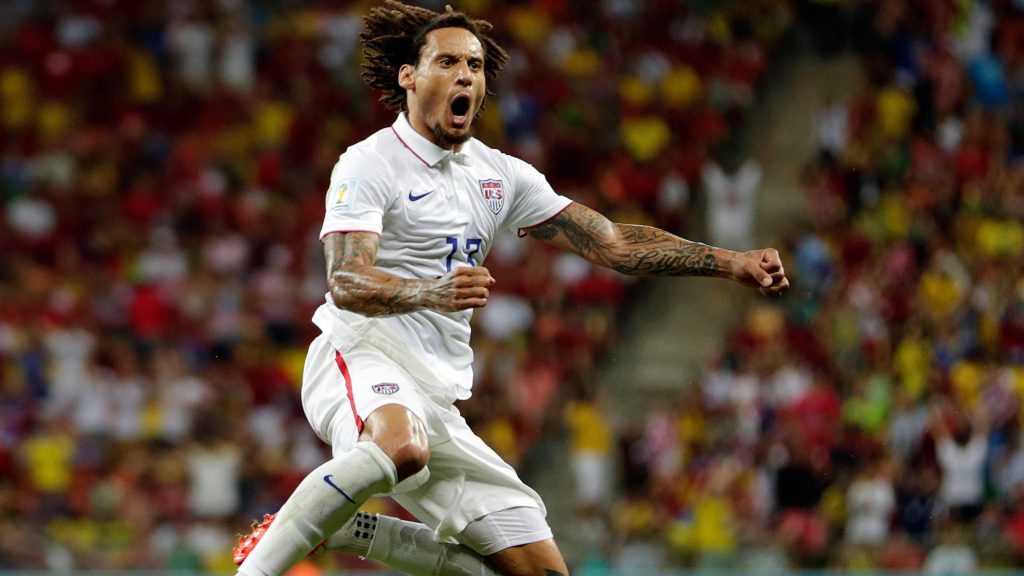
Image: Getty Images
His highlight was the 2014 World Cup, where he scored a screamer against Portugal and helped the USA escape the “Group of Death”. He transformed from a backup in Germany into a modern legend of American soccer.
3. Mário Fernandes (Brazil – Russia)
Another Brazilian talent, another departure.
Mário Fernandes was a promising defender in Brazil, winning the Bola de Prata in 2011 and playing one friendly against Japan in 2014. Yet, he never secured a regular spot.
After years at CSKA Moscow, Fernandes was granted Russian citizenship in 2016 by a special decree from President Vladimir Putin. This changed everything. He went from being “surplus” in South America to a national hero in Russia.
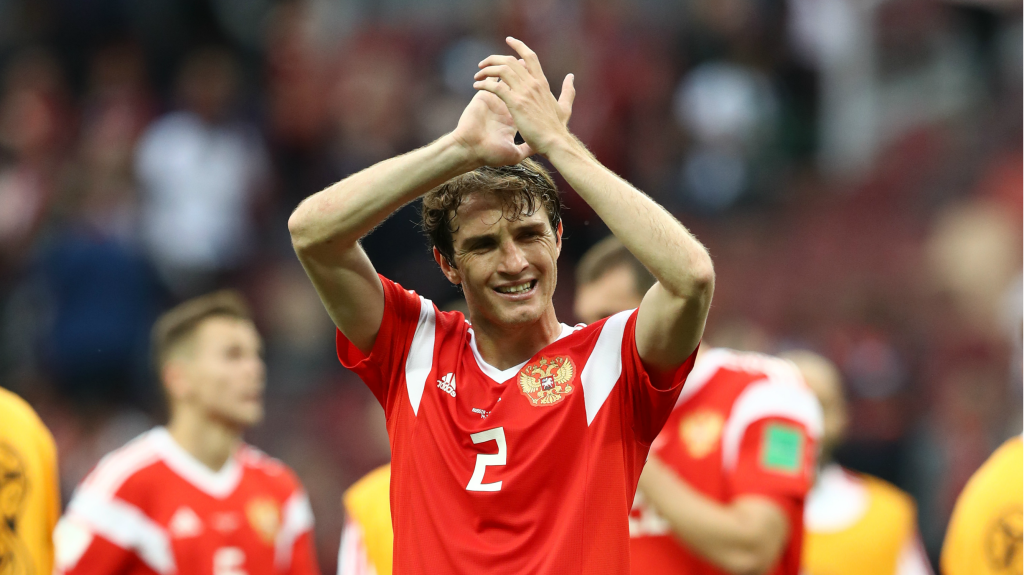
Image: Getty Images
His peak was the 2018 World Cup, where he was instrumental in Russia’s run to the quarter-finals. His dramatic extra-time equalizer against Croatia remains one of the most iconic moments in modern Russian football history. Despite barely speaking the language, his dedication won the hearts of millions.
2. Denzel Dumfries (Aruba – Netherlands)
Denzel Dumfries was eligible for Aruba (father), Suriname (mother), and the Netherlands. In March 2014, he played two friendlies for Aruba against Guam, scoring a goal.
However, the 18-year-old Dumfries refused to play competitive matches for Aruba, holding out hope for the Netherlands. That patience paid off spectacularly.
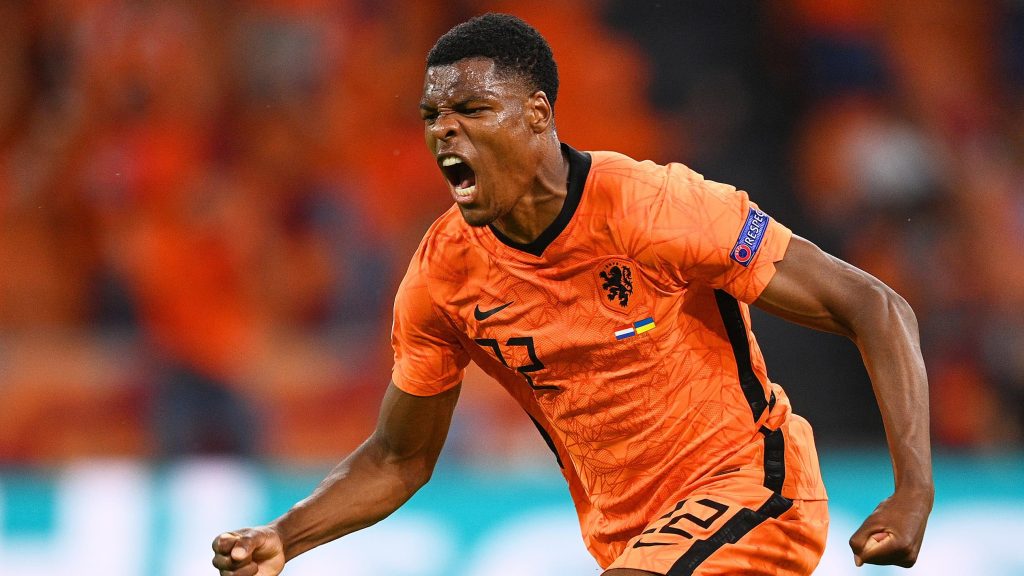
Image: Getty Images
Switching to the Oranje, Dumfries didn’t just become a starter; he became a relentless engine on the right flank, shining at Euro 2020 and the 2022 World Cup with crucial goals and assists.
1. Brahim Díaz (Spain – Morocco)
The latest star to trade La Roja for the Atlas Lions.
Brahim Díaz actually played a friendly for Spain against Lithuania, scoring a goal. He represented Spain at every youth level from 2016 to 2021. Yet, he never received guarantees of a key role in Spain’s long-term plans.
His decisive choice to switch to Morocco in early 2024 sent shockwaves through Europe. Instead of waiting to be a backup option for Spain, Díaz chose to be the centerpiece of Morocco’s ambition to rule Africa and challenge the world.
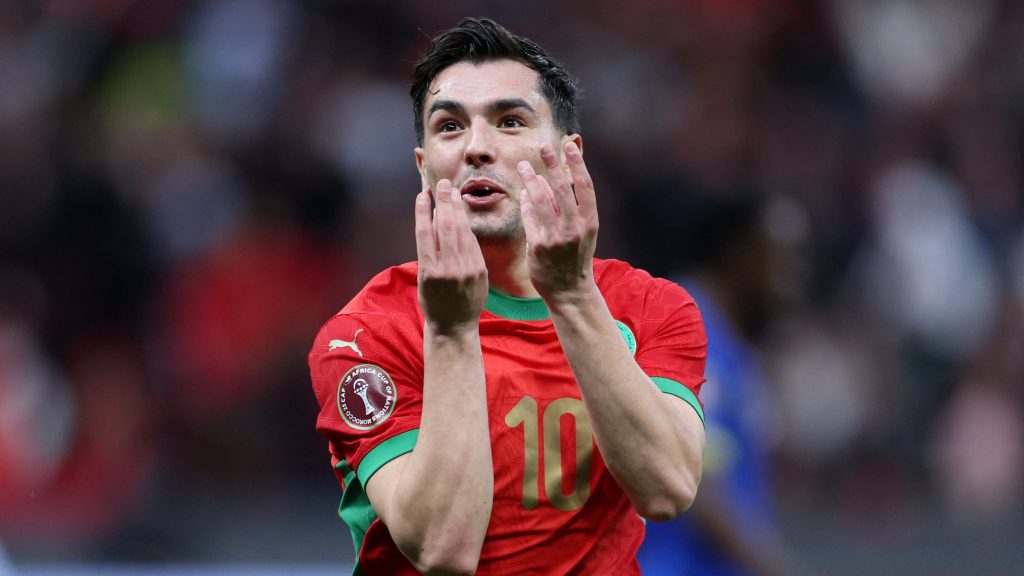
Image: Getty Images
In a short time, he has proven to be the missing piece for Morocco’s attack, bringing Champions League-level creativity and flair to an already formidable team.
However, football is a cruel game. His fairy tale took a nightmare turn in the AFCON final v. Senegal, where a disastrous Panenka attempt in the decisive penalty cost Morocco the title – turning a national hero into a tragic figure overnight.
You have just read the article “Traitor or patriot? 10 Players Who Played for Two National Teams”. Follow 52Hz Football for more captivating stories about football, geography and culture.
READ MORE:
- The David vs. Goliath Effect: 10 Smallest World Cup Nations by Population
- Nations Qualified but Banned from World Cup: Will Iran Repeat History in 2026?
- Beyond Maradona ’86: Ranking 5 Greatest One-Man Shows in World Cup History
- 10 Unbreakable World Cup Records: From Pelé to the 7-1 Disaster
