
Cristiano Ronaldo’s abrupt departure from Portugal’s training camp in September 2026 raised a wider question: can a footballer refuse an international call-up?
The short answer is that a player can physically say no, but FIFA does not treat a valid international call-up as an entirely optional invitation.
The exact consequences depend on why the player is unavailable, whether the call-up falls inside an official international window and how the national association responds.
Last updated: 1 October 2026.
1. Can a Player Refuse an International Call-Up?
Under FIFA’s rules, a registered player is generally expected to accept a call-up from a national association he is eligible to represent.
Annexe 1 of the FIFA Regulations on the Status and Transfer of Players states that, as a general rule, every player registered with a club is obliged to respond affirmatively when called up by an eligible national association.
That does not mean a federation can physically force somebody to board a plane, attend training or enter the pitch. A player can still refuse in practice. However, doing so without an accepted reason may create sporting and disciplinary consequences.
There is no single automatic punishment covering every refusal. The outcome can depend on:
- The reason given by the player.
- Whether the player is injured or ill.
- Whether he has retired from international football.
- The national association’s disciplinary rules.
- Whether the call-up took place during a recognised FIFA window.
- Whether the association agrees to release the player from the squad.
Most disagreements are resolved privately before they become disciplinary cases.
2. The Difference Between the Player and His Club
Two separate obligations are involved in an international call-up.
The first belongs to the player. FIFA says that a registered player should generally respond positively when selected.
The second belongs to his club. During official international windows and major final tournaments, clubs are required to release eligible players who have been properly called up.
A club cannot make a private agreement with a player stating that he will ignore international selection. FIFA expressly prohibits arrangements of that kind.

This prevents clubs from protecting important players by persuading them to reject national-team duty while remaining available for domestic matches.
However, the position changes when a match is arranged outside the official international calendar. In that situation, releasing the player is normally not compulsory. The national association may still request his services, but his club can refuse.
That is why disputes sometimes arise over friendlies or training camps held outside recognised windows, while World Cup qualifiers and continental championships are much more straightforward.
3. What Happens If the Player Is Injured?
An injured player is not expected to play through a genuine medical problem simply because he has received an international call-up.
He must nevertheless communicate with the national association. If the federation requests it, FIFA’s rules allow the association to require an examination by a doctor of its choice.
This provision exists because the club and national team may reach different conclusions about a player’s fitness. A club doctor might consider the player unavailable, while the national team believes he could recover before the second match of the window.
The player may request that the examination take place in the country where his club is registered. He does not always have to travel to the national team’s camp simply to prove that he is injured.
Once the association accepts the medical explanation and releases him, the absence is normally treated as an injury withdrawal rather than a refusal to represent his country.
READ MORE:
4. What Is FIFA’s Five-Day Rule?
A player who has been called up cannot necessarily reject the invitation and immediately play for his club instead.
Unless the national association agrees otherwise, FIFA states that the player is not entitled to appear for his club during the period for which he was—or should have been—released, plus a further five days.
This is commonly described as the five-day rule.
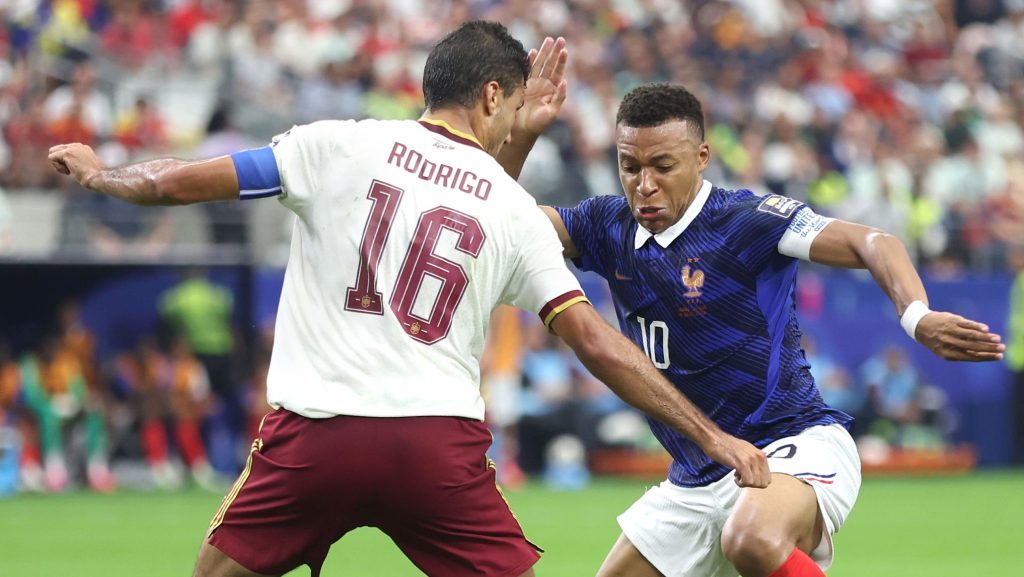
For example, if a player declines a valid call-up but then recovers in time for a club match immediately after the international window, his national association can withhold permission for him to play.
The restriction is designed to stop clubs and players from treating international duty as optional while continuing with domestic football as normal.
However, it is often described incorrectly. It is not a five-match suspension, and FIFA’s current wording does not automatically create a fixed two-game ban. It is a time-based restriction on playing for the club.
The association can also waive the restriction. This commonly happens when a player has a legitimate injury, personal emergency or another explanation accepted by both sides.
4. Can a Player Be Fined or Suspended?
Potentially, yes.
FIFA’s regulations state that violations of the player-release provisions can result in disciplinary measures decided under the FIFA Disciplinary Code. A national association may also have its own rules governing conduct while a player is with the national team.
The possible response therefore varies from case to case. It might include:
- A warning from the national association.
- Temporary exclusion from future squads.
- A domestic or international suspension under national rules.
- Restrictions on representing the player’s club.
- Disciplinary action against a club that obstructed the release.
- No punishment if the association accepts the explanation.
A disagreement with the coach is not automatically a valid exemption. Neither is dissatisfaction over playing time. On the other hand, an association may decide that continuing the dispute is not in anybody’s interest and simply stop selecting the player.
5. Can a Footballer Retire From International Football?
Yes, players regularly retire from international football while continuing their club careers.
International retirement is usually communicated directly to the national association or announced publicly. The federation then stops considering the player for selection.
FIFA’s regulations do not provide a detailed universal retirement procedure that every country must follow. Instead, international retirement is generally handled between the player and his federation.
It is important to distinguish retirement from rejecting one inconvenient call-up.
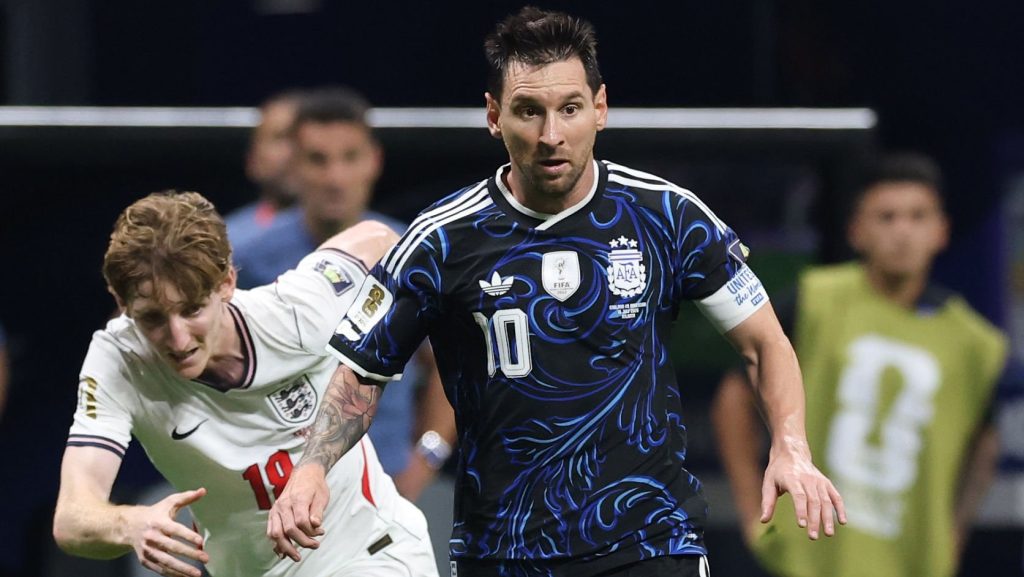
A player who has formally ended his international career is indicating that he is no longer available for any future squad. A player who wants to skip one window but return for a major tournament is attempting to choose when he represents the country. A national association is far less likely to accept the second arrangement.
There have been unusual exceptions. Claude Makélélé announced his international retirement in 2006, but France coach Raymond Domenech selected him again. Makélélé ultimately returned to the team, demonstrating that the wording of FIFA’s call-up rule has occasionally created tension even after a player has tried to retire.
Modern federations usually respect an international retirement because selecting an unwilling player offers little sporting benefit.
6. Can a Country Force a Retired Player to Return?
A country cannot physically force a footballer to play.
In theory, FIFA’s general call-up obligation is broad enough for an association to select a registered player who remains eligible. In practice, federations almost always accept the player’s retirement.
A national team needs commitment, preparation and trust. Recalling somebody who has clearly stated that he no longer wants to participate would probably create more problems than it solves.
The more realistic consequence of refusing to return is the end of the player’s international career, rather than an association repeatedly attempting to compel him to appear.
7. How Is Cristiano Ronaldo’s Portugal Departure Different?
Ronaldo’s September 2026 situation was not a straightforward refusal to accept an international call-up.
He accepted Portugal’s selection and joined the squad. The dispute developed after he was an unused substitute against Norway. Ronaldo subsequently left the training camp before Portugal’s match against Denmark following a conversation with Portuguese Football Federation president Pedro Proença.
The federation confirmed his departure but did not immediately announce a disciplinary finding. Ronaldo said he would explain his reasons later.
That distinction matters. The central issue was not whether Ronaldo had answered the original call-up. He had already reported for duty. The question was whether leaving an active training camp breached Portugal’s internal rules and whether his departure had been authorised.
Any punishment would therefore depend heavily on the Portuguese federation’s disciplinary code and its understanding of what happened. It should not automatically be presented as a standard application of FIFA’s five-day rule.
Until an official decision is announced, it would also be premature to describe Ronaldo as suspended.
8. Why Does FIFA Protect International Call-Ups?
Clubs pay players’ salaries and carry much of the financial risk when they are injured. It may therefore appear reasonable for the club to decide whether a player can leave.
International football would become extremely uneven under that system.
Wealthy clubs could withhold their leading players, national teams with more domestic-based squads would gain an advantage and some countries would struggle to assemble competitive teams. FIFA’s mandatory-release system prevents club football from controlling access to international players.
The regulations also attempt to protect clubs. National associations must cover the player’s travel costs, while FIFA operates an indemnification programme for certain injuries suffered during senior international duty.
The system is not perfect, but it creates a defined balance between the player, his employer and his country.
Final Verdict
A footballer can refuse an international call-up in the literal sense, but he does not have an unrestricted right to ignore a valid selection without consequences.
FIFA expects registered players to respond positively, requires clubs to release them during official windows and allows an association to prevent an unavailable player from immediately representing his club.
In reality, most cases fall into one of three categories:
- The player has a genuine injury that is accepted by the association.
- The player formally retires from international football.
- The player and federation reach a private agreement over his availability.
An unexplained refusal, a disputed injury or an unauthorised departure from camp can become a disciplinary matter. The punishment is not automatic, however, and depends on the circumstances and the applicable national rules.
Frequently Asked Questions
Q: Can a club stop a player joining his national team?
A: Normally not during an official FIFA international window or a recognised final tournament. Clubs are required to release properly called-up players. Outside those periods, release is generally not compulsory.
Q: Can a player represent his club after refusing a call-up?
A: Not necessarily. Unless the national association agrees, FIFA’s five-day rule can prevent him from playing for his club during the release period and for an additional five days.
Q: Can a federation examine a player who claims to be injured?
A: Yes. The national association may require the player to undergo an examination by a doctor of its choice. The player can request that it take place in the country where his club is registered.
Q: Is international retirement permanent?
A: Not necessarily. A retired player can later make himself available again, and the national coach can decide whether to recall him. However, he cannot demand a place in the squad after reversing his decision.
Q: Can a player be banned for leaving a national-team camp?
A: Potentially. Leaving without permission may breach the national association’s disciplinary rules. The federation must consider the circumstances before deciding whether to impose a warning, suspension or another sanction.
You have just read “Can a Footballer Refuse an International Call-Up? FIFA Rules Explained”. Follow 52Hz Football for more explanations of football’s rules, institutions and unusual disputes.
