
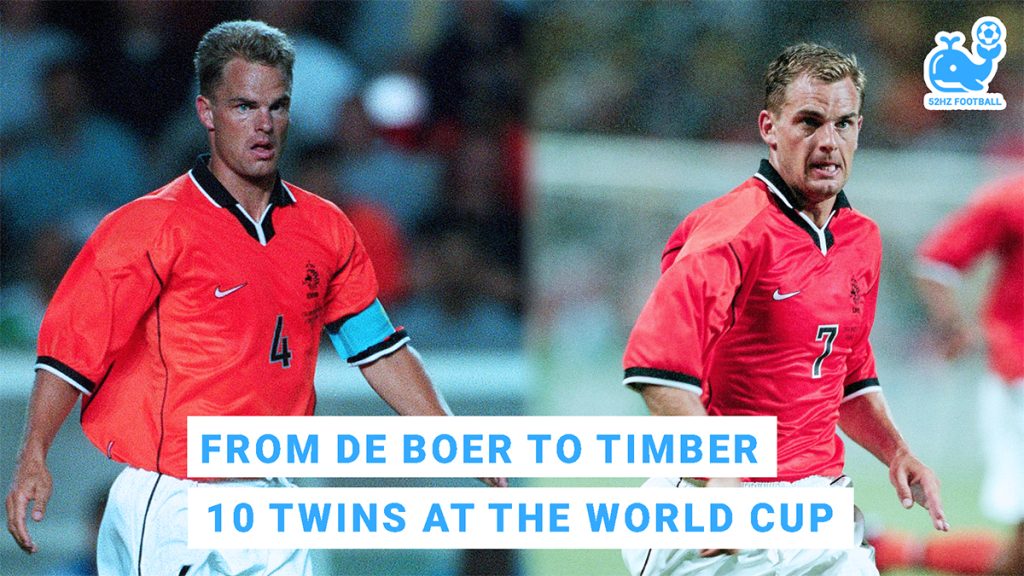
Football is often described as a universal family, but for a select few, the bond on the pitch is literally formed by blood.
While seeing siblings play together at the highest level is rare, witnessing twin brothers sharing the grandest stage of them all – the FIFA World Cup – is an extraordinary phenomenon. With the Netherlands officially announcing their squad for the 2026 World Cup, a new chapter has just been written in football history.
Jurrien and Quinten Timber have officially become the 10th pair of twin brothers to be called up for a World Cup tournament. This remarkable milestone highlights a unique intersection of genetics, dedication, and elite sporting talent.
From the pioneers in the 1950s to the modern-day stars of 2026, let us dive deep into the exclusive list of the 10 legendary twin brothers who have graced the FIFA World Cup.
1. Eliseo & Eligio Insfrán (Paraguay – 1958)
The story of twins at the World Cup began over six decades ago in Sweden. The 1958 tournament is widely remembered as the stage where a 17-year-old Pelé introduced himself to the world, but it also held a special milestone for Paraguay.
Eliseo and Eligio Insfrán became the first-ever recognized twins to participate in a World Cup. Both brothers were prominent figures in South American football during that era.
Although Paraguay did not manage to advance past the group stage – finishing third behind France and Yugoslavia – the Insfrán brothers etched their names permanently into the World Cup history books as the ultimate pioneers of this unique statistical club.
2. René & Willy van de Kerkhof (Netherlands – 1974 & 1978)
If the Insfrán brothers were the pioneers, the van de Kerkhof twins were the ones who brought twins to the absolute pinnacle of the sport. René and Willy were vital cogs in the legendary Dutch “Total Football” machine of the 1970s.
They were part of the squad that reached the 1974 World Cup final against West Germany. Four years later, in Argentina in 1978, they became even more integral to the team. Following Johan Cruyff’s absence, the twins stepped up massively.
In a historic moment, both René and Willy started the 1978 World Cup final against the host nation, Argentina. Despite suffering a heartbreaking extra-time defeat, their legacy as two of the finest midfielders of their generation remains untouched.
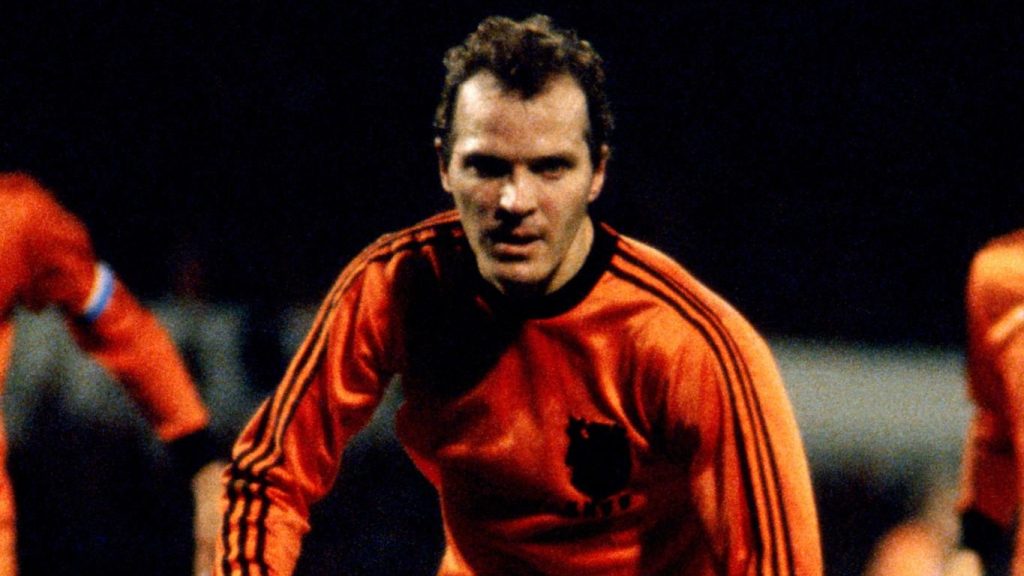
3. Zlatko & Zoran Vujović (Yugoslavia – 1982)
The 1982 World Cup in Spain witnessed the arrival of the Vujović twins.
The brothers shared a telepathic connection on the pitch, largely because their playing styles perfectly complemented one another. Zlatko was a lightning-fast striker who would go on to have a stellar career in France with Bordeaux and Paris Saint-Germain. Zoran, on the other hand, was a dependable defender who locked down the backline.
Both brothers featured prominently during the 1982 campaign, though Yugoslavia narrowly missed out on advancing from a tough group containing the host nation, Spain, and Northern Ireland.
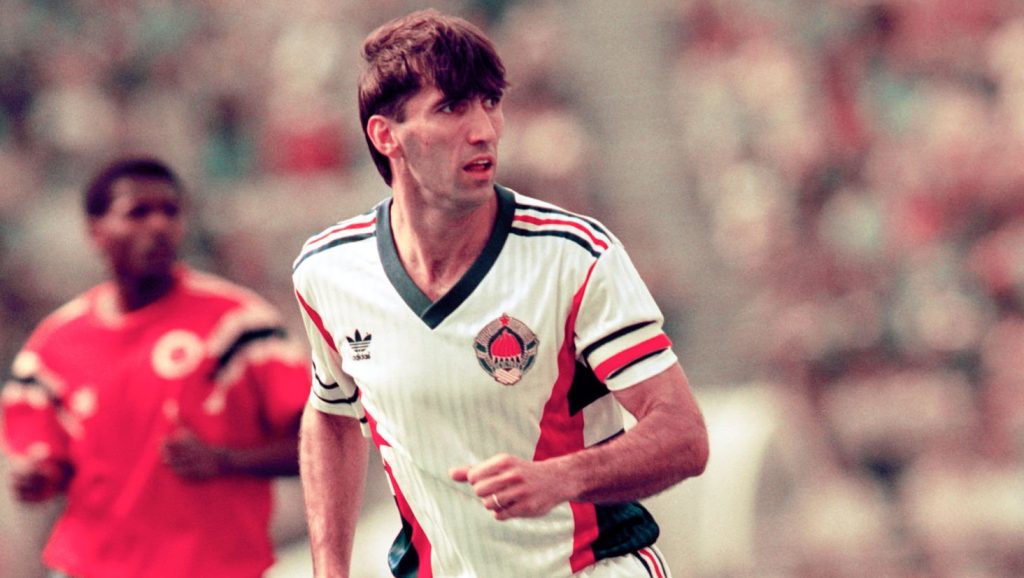
4. Eissa & Ibrahim Meer (United Arab Emirates – 1990)
The 1990 World Cup in Italy was a landmark tournament for Middle Eastern football, marking the United Arab Emirates’ first-ever appearance at the global showpiece. Central to this historic qualification were the Meer twins: Eissa and Ibrahim.
Both brothers played critical roles for the UAE national team. Ibrahim was a technically gifted midfielder, while Eissa was a solid defensive presence. They shared the pitch during the tournament, proudly representing their nation on the biggest stage.
Although the UAE was eliminated in the group stage after facing heavyweights like West Germany and Colombia, the Meer brothers became national heroes for their incredible journey to Italia ’90.
5. Hossam & Ibrahim Hassan (Egypt – 1990)
Italia ’90 was incredibly unique because it featured not one, but two pairs of twins. Joining the Meers were the legendary Egyptian brothers, Hossam and Ibrahim Hassan.
To say these two are legends in African football would be an understatement. Hossam Hassan, a lethal striker, was the man who scored the decisive goal in the qualifiers that sent Egypt to the World Cup for the first time since 1934. His brother, Ibrahim, was an unyielding right-back.
Both brothers started all three of Egypt’s group stage matches against the Netherlands, Republic of Ireland, and England, proving that they belonged among the world’s elite.
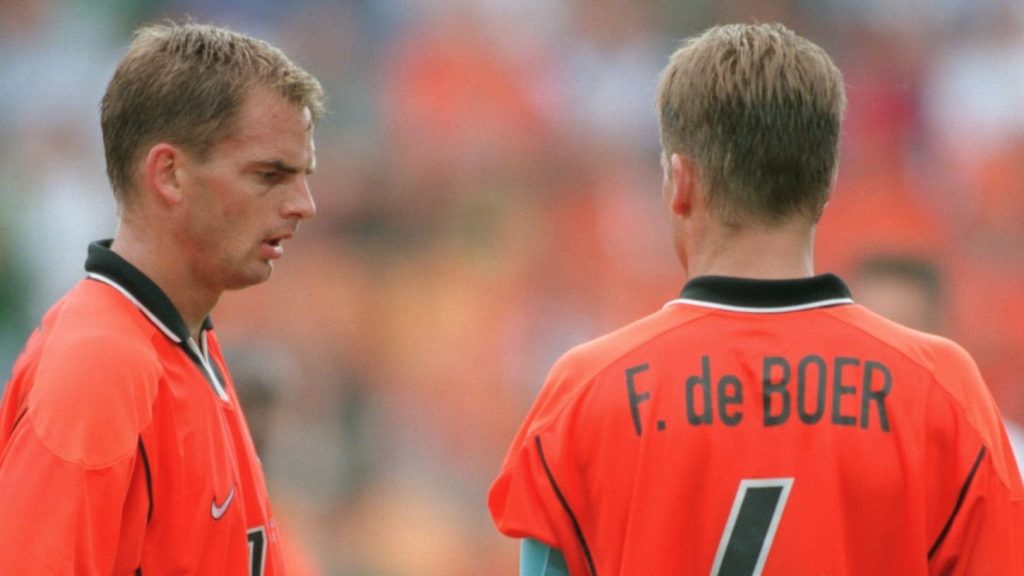
6. Frank & Ronald de Boer (Netherlands – 1994 & 1998)
Arguably the most famous and successful twins in modern football history. Products of the esteemed Ajax youth academy, Frank and Ronald de Boer took the 1990s by storm, eventually playing together for European giant FC Barcelona.
They represented the Netherlands at both the 1994 and 1998 World Cups. Frank, a brilliant ball-playing defender, and Ronald, a versatile attacking midfielder, were the heartbeat of the Dutch squad.
Their defining World Cup moment came in 1998 when they helped guide a star-studded Dutch team to the semi-finals in France. Frank’s legendary 60-yard pinpoint pass to Dennis Bergkamp against Argentina in the quarter-finals remains one of the most iconic assists in World Cup history.
7. Marcin & Michał Żewłakow (Poland – 2002)
When the World Cup traveled to Asia for the very first time in 2002, co-hosted by South Korea and Japan, Poland brought their own set of twins to the grand stage.
Marcin and Michał Żewłakow were reliable professionals who spent significant portions of their careers playing in Belgium and Greece. During the 2002 tournament, they achieved a magical family milestone.
In Poland’s final group stage match against the United States, both brothers were on the pitch together. Michał started the match in defense, while Marcin was brought on as a substitute, marking a proud moment for the Żewłakow family on international television.
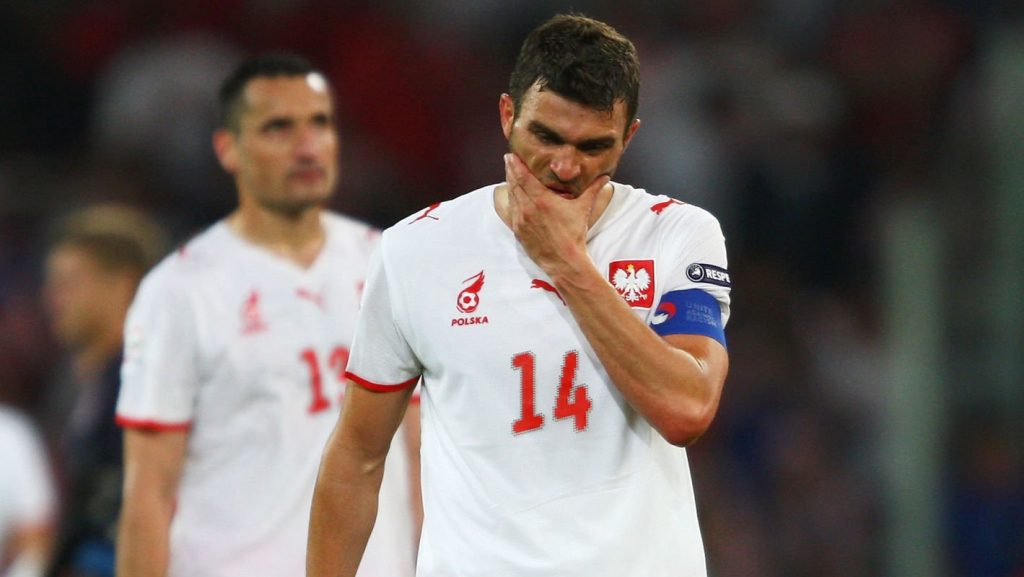
8. David & Philipp Degen (Switzerland – 2006)
The 2006 World Cup in Germany saw the Swiss national team achieve a bizarre and historic record: they were eliminated from the tournament without conceding a single goal in regular play. Part of that squad were the Degen twins, Philipp and David.
While both brothers were officially called up by the national team manager, their World Cup experiences differed. Philipp, a dynamic right-back who later played for Liverpool and Borussia Dortmund, was a regular starter and a key part of that impenetrable Swiss defense. His brother David, an attacking midfielder, was an unused substitute throughout the campaign.
Nonetheless, they both shared the incredible atmosphere of a World Cup dressing room.
9. Aleksei & Anton Miranchuk (Russia – 2018)
Playing a World Cup on home soil is the ultimate dream for any footballer. For Aleksei and Anton Miranchuk, that dream became a reality in 2018 when Russia hosted the tournament.
The attacking midfield twins, who made their names at Lokomotiv Moscow, were both selected for the final squad. They possessed tremendous flair, vision, and technical ability. While Aleksei was slightly more established and featured in the tournament, Anton provided vital depth.
Together, they experienced the euphoria of Russia’s miraculous run to the quarter-finals, where they famously eliminated Spain in a dramatic penalty shootout before narrowly falling to Croatia.
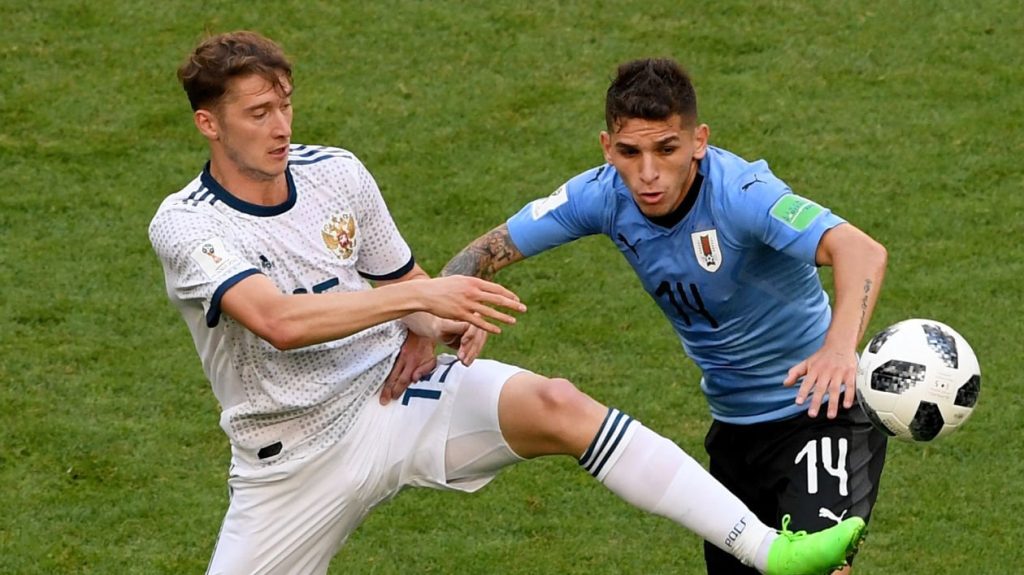
10. Jurrien & Quinten Timber (Netherlands – 2026)
History has just been updated!
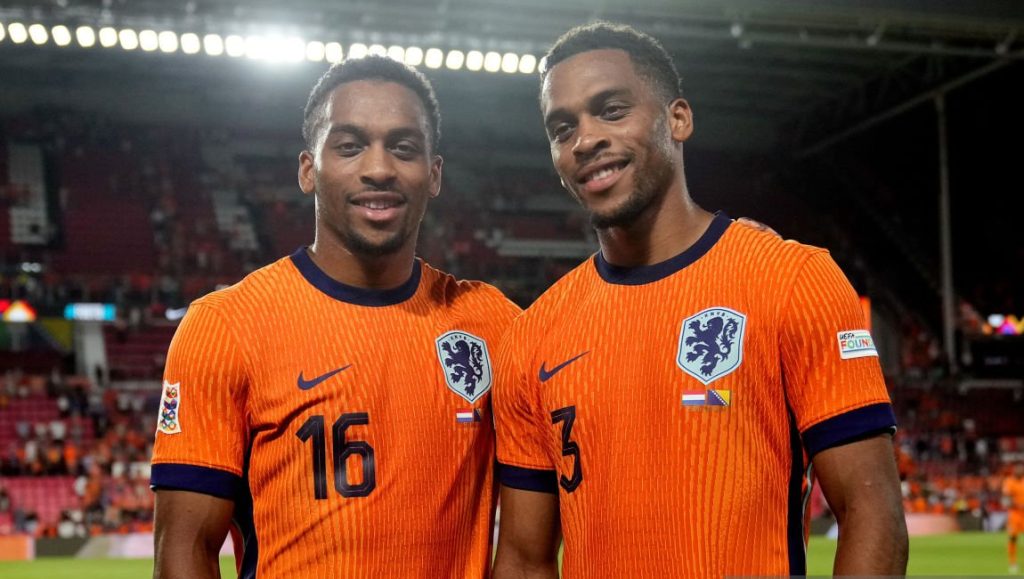
With the official squad announcement for the 2026 World Cup, Jurrien and Quinten Timber have become the 10th pair of twins to join this exclusive club.
Their inclusion is a testament to their spectacular development. Jurrien, plying his trade for Arsenal in the Premier League, offers world-class versatility across the backline. Meanwhile, Quinten has evolved into a powerhouse midfielder for Feyenoord, driving his team forward with immense physical and technical prowess.
Remarkably, their selection means the Netherlands now holds an astonishing record: they are responsible for 3 out of the 10 twin pairings in World Cup history (Van de Kerkhof, De Boer, and Timber). Assuming both brothers stay fully fit ahead of the opening whistle, the Timbers are set to write a brilliant new chapter for the Oranje on the global stage.
FAQ: Twins at the FIFA World Cup
Q: Which country has produced the most twins in World Cup history?
A: The Netherlands. With the recent inclusion of Jurrien and Quinten Timber in 2026, the Dutch have now sent three pairs of twins to the World Cup, joining the Van de Kerkhofs (1974, 1978) and the De Boers (1994, 1998).
Q: Has a pair of twins ever won the World Cup?
A: No, a pair of twins has never lifted the World Cup trophy. The closest any twins have come to ultimate glory was in 1974 and 1978, when René and Willy van de Kerkhof reached back-to-back finals with the Netherlands, unfortunately losing to West Germany and Argentina, respectively.
Q: Have twin brothers ever played against each other in a World Cup?
A: No twin brothers have ever faced off against each other. However, standard brothers have! Kevin-Prince Boateng (Ghana) and Jérôme Boateng (Germany) famously played against each other in the group stages of both the 2010 and 2014 World Cups.
You have just read the article “10 Twins at the World Cup: From De Boer to Timber”. Follow 52Hz Football for more captivating stories, tactical analyses, and historical football deep-dives.
READ MORE:
Why the World Cup Is Not Held Every Year? The 4-Year Rule Explained
The David vs. Goliath Effect: 10 Smallest World Cup Nations by Population (2026 Update)
Top 10 Breakout Young Stars in FIFA World Cup History: From Pele to Mbappe
Beyond Maradona ’86: Ranking 5 Greatest One-Man Shows in World Cup History
