
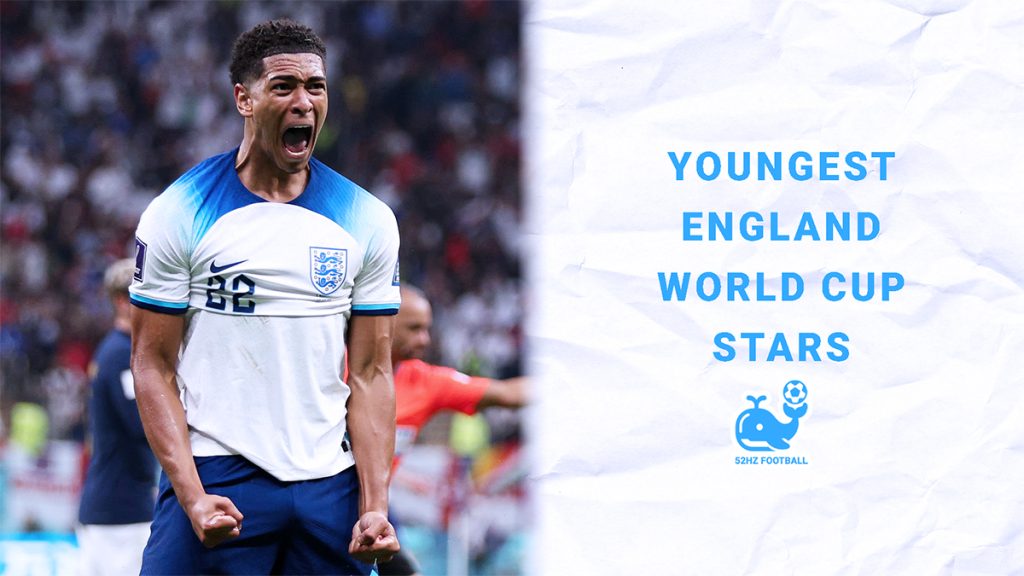
Look back at the 10 youngest England players who fearlessly carried the hopes of the Three Lions on the World Cup stage.
The weight of the Three Lions shirt is notoriously heavy. For decades, the English national team has operated under the crushing expectations of a ferocious tabloid media and a fanbase desperate to relive the glory of 1966.
Throwing a teenager into the FIFA World Cup is a massive gamble. It can either break a young player’s spirit or forge them into an eternal footballing legend. While most managers prefer to rely on seasoned veterans, a few prodigies have possessed such generational talent that they forced their way onto the grandest stage of them all before their twentieth birthdays.
Let us take a journey through England’s footballing history and explore the 5 youngest English prodigies to ever take the pitch at a World Cup.
1. Michael Owen – 18 years, 6 months (World Cup 1998)
There is perhaps no teenage arrival in World Cup history quite as explosive as Michael Owen’s in 1998. The Liverpool academy graduate travelled to France as an 18-year-old boy, but he returned to England as a global footballing icon. Manager Glenn Hoddle initially used Owen as a substitute, but his electrifying pace and natural finishing ability quickly made him impossible to leave on the bench.
Owen became England’s youngest ever player at a World Cup when he debuted against Tunisia. However, his defining moment arrived in the epic round of 16 clash against Argentina in Saint-Étienne.
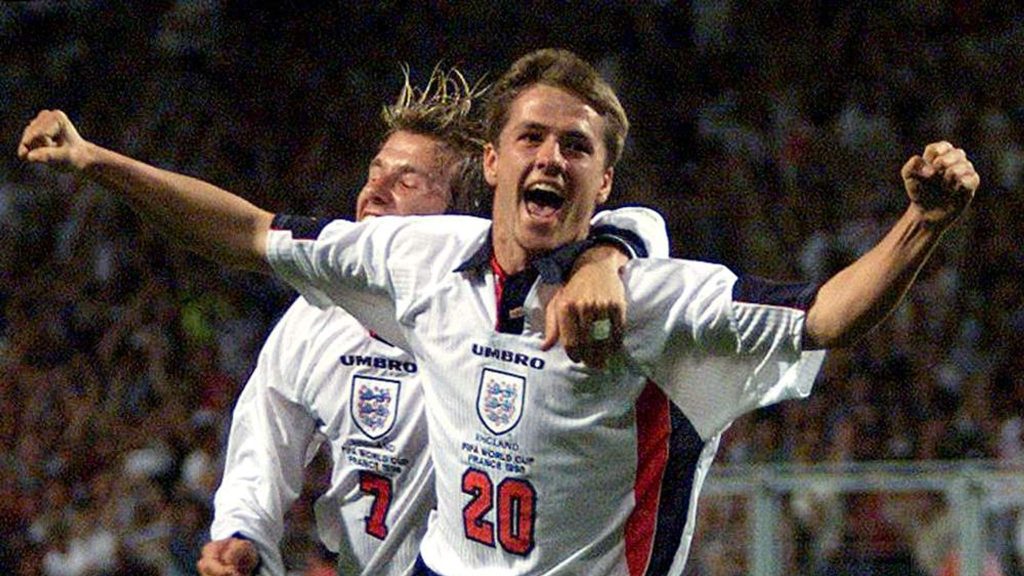
Receiving the ball near the halfway line, the 18-year-old produced a breathtaking surge of acceleration, effortlessly weaving past seasoned Argentine defenders José Chamot and Roberto Ayala, before firing a spectacular finish into the top corner.
At just 18 years and 6 months old, Owen was not just participating; he was terrorizing the world’s best defenses and securing a Ballon d’Or in the years that followed.
2. Luke Shaw – 18 years, 11 months (World Cup 2014)
The 2014 World Cup in Brazil is largely remembered as a dark chapter for the English national team, as Roy Hodgson’s side crashed out in the group stages without winning a single match. However, amidst the underperformances, a glimpse of the future was provided in the form of an 18-year-old left-back named Luke Shaw.
Coming off a phenomenal breakout season with Southampton, Shaw’s inclusion in the squad was highly symbolic, effectively ending the international career of long-time stalwart Ashley Cole.
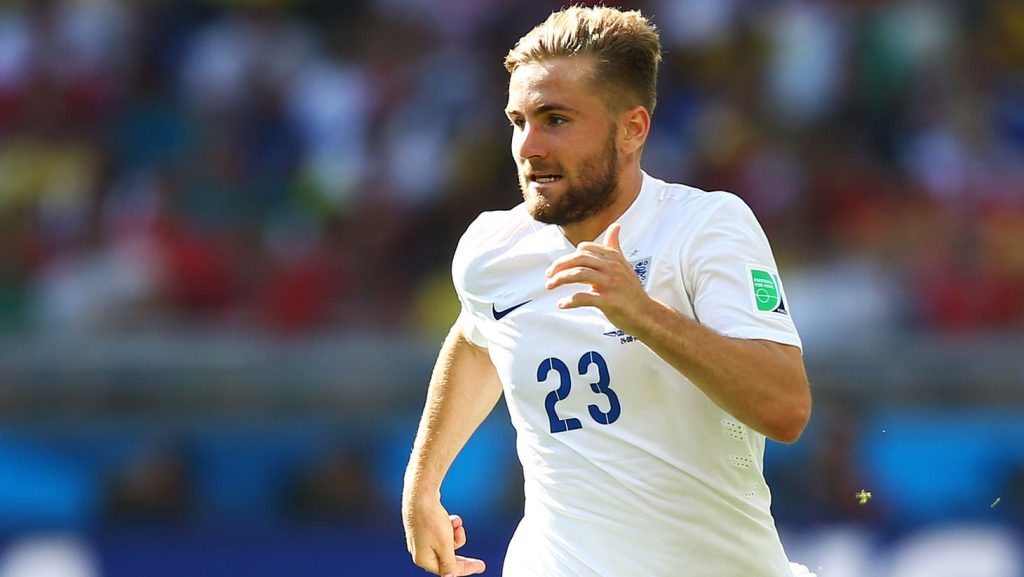
Shaw was handed his World Cup debut in the final group game against Costa Rica in Belo Horizonte. At 18 years and 11 months old, he showcased a maturity beyond his years, defending resolutely and offering attacking overlaps in a 0-0 draw.
While the tournament itself was a disaster for the nation, the invaluable experience laid the groundwork for Shaw, who would later develop into one of Europe’s premier full-backs and score in the final of Euro 2020.
3. Aaron Lennon – 19 years, 2 months (World Cup 2006)
The 2006 World Cup in Germany was the era of England’s “Golden Generation” and the intense media circus surrounding the WAGs in Baden-Baden. Under the management of Sven-Göran Eriksson, the squad was packed with superstar names, making it incredibly difficult for a young player to break through. Enter Aaron Lennon.
The Tottenham Hotspur winger, aged just 19 years and 2 months, offered something completely different from the traditional English midfielders: pure, unadulterated, terrifying pace.
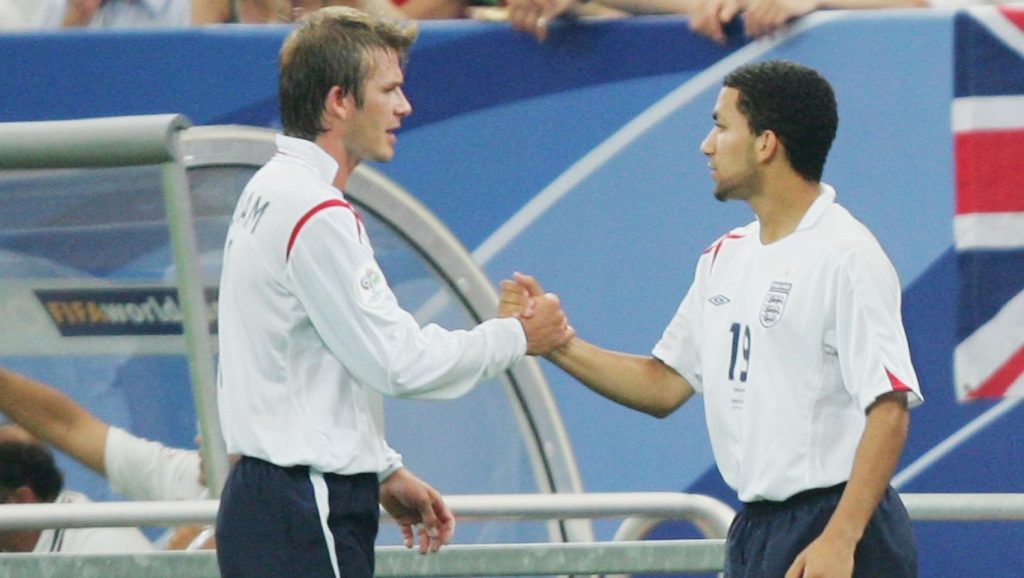
Lennon made his World Cup debut as a substitute against Trinidad and Tobago. He was frequently utilized as an impact substitute throughout the tournament, notably coming on for an injured David Beckham in the heartbreaking quarter-final defeat to Portugal.
For a brief period, the diminutive teenage winger was the most exciting spark in an otherwise rigid English setup.
4. Jude Bellingham – 19 years, 4 months (World Cup 2022)
Unlike the other players on this list who were slowly integrated into the team or used as wildcard substitutes, Jude Bellingham arrived at the 2022 World Cup in Qatar as an absolute cornerstone of Gareth Southgate’s tactical game plan.
At just 19 years and 4 months old, the Borussia Dortmund (and soon-to-be Real Madrid) midfielder played with the swagger, tactical intelligence, and physical dominance of a seasoned thirty-year-old veteran.
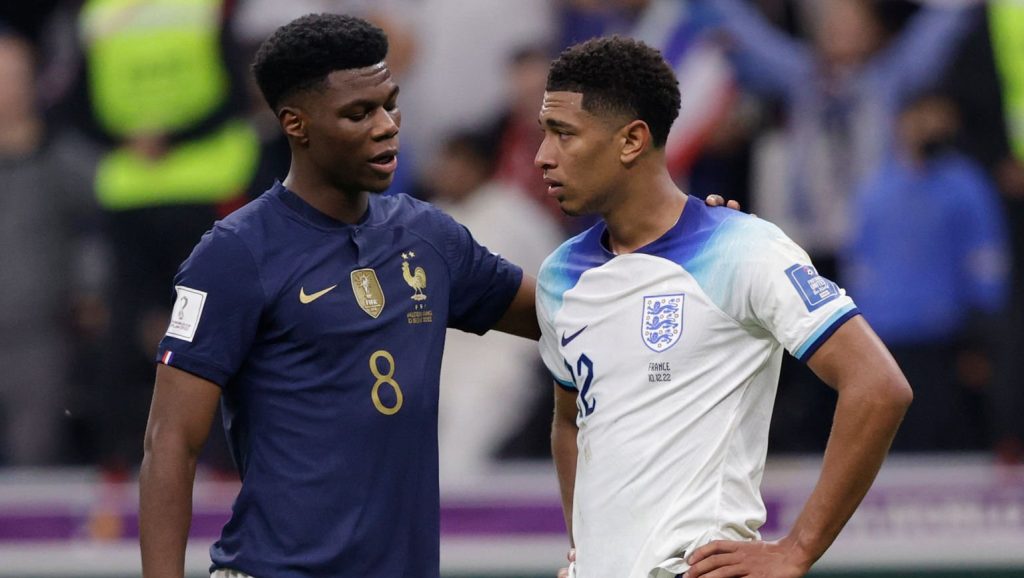
Bellingham immediately stamped his authority on the tournament in England’s opening match against Iran. He dictated the tempo of the midfield alongside Declan Rice and opened the scoring with a towering header, becoming England’s second-youngest goalscorer in World Cup history behind Michael Owen.
Throughout the tournament, Bellingham was the heartbeat of the Three Lions, seamlessly transitioning from defensive recoveries to driving offensive runs. He proved that he was not just a prospect for the future, but the undisputed present of English football.
5. Raheem Sterling – 19 years, 6 months (World Cup 2014)
Before he became a multi-time Premier League champion and a centurion of goals for Manchester City, Raheem Sterling was a fearless 19-year-old tearing up the wing for Liverpool. His dazzling club form earned him a call-up to Roy Hodgson’s 2014 World Cup squad, joining fellow teenager Luke Shaw on the flight to Brazil.
Sterling was thrown straight into the deep end. In the humid jungle heat of Manaus, Hodgson boldly selected the 19-year-old to start in the crucial opening match against a heavily favored Italian side.
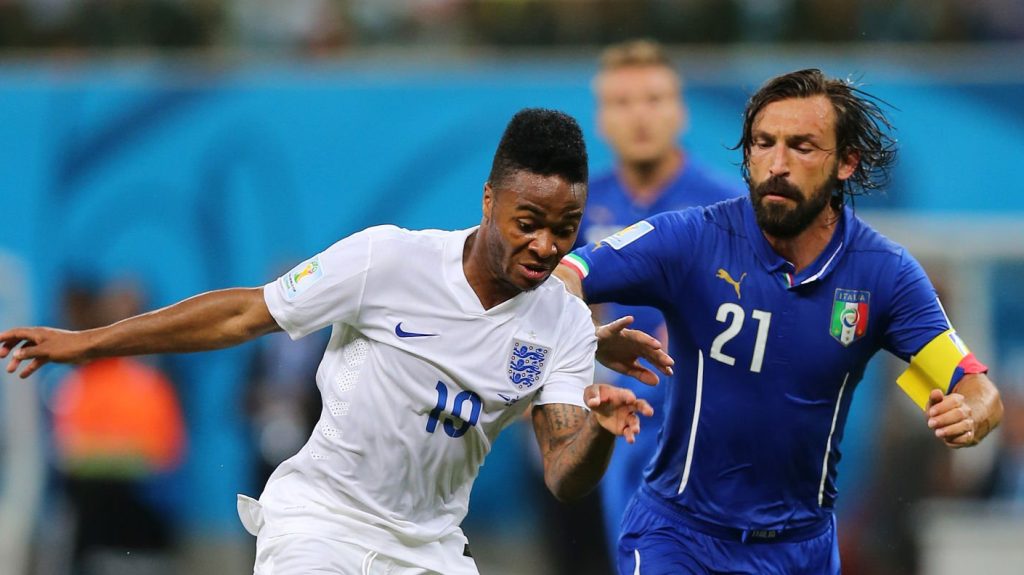
Sterling did not show a single ounce of fear. Playing in a central number 10 role, his blistering pace and sharp turns caused constant nightmares for the veteran Italian defense. Early in the game, he unleashed a ferocious long-range strike that rippled the side netting – a shot so convincing that half the stadium celebrated, believing he had scored a wondergoal.
Though England lost the match, Sterling’s electrifying debut marked the beginning of a magnificent international career.
Special Mention: Theo Walcott (17 years, 3 months – World Cup 2006)
It is impossible to discuss English teenagers at the World Cup without dedicating a section to the most bizarre squad selection in the nation’s history.
In 2006, manager Sven-Göran Eriksson sent shockwaves through the global footballing community by selecting a 17-year-old Theo Walcott for the World Cup in Germany. The shock was not just because of his age; it was because Walcott had never played a single minute of Premier League football for his club, Arsenal.
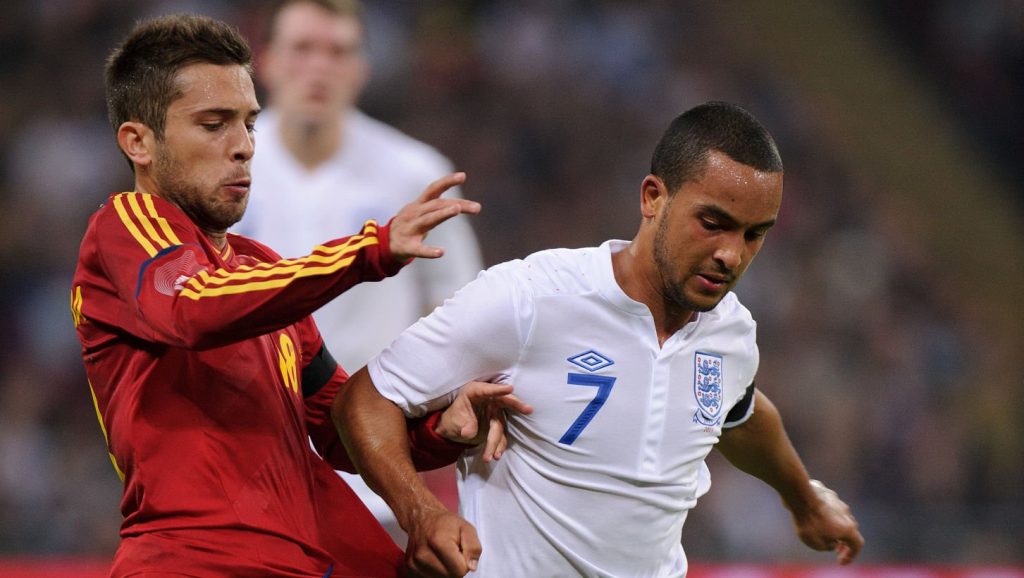
Chosen ahead of proven goalscorers like Jermain Defoe and Darren Bent, the media pressure on the young boy was astronomical. Ultimately, the gamble was a purely ceremonial one. Walcott spent the entire tournament glued to the substitute’s bench, essentially acting as an incredibly famous tourist.
The tragic irony of Theo Walcott’s international career is that despite going to a World Cup at the unprecedented age of 17, he would never actually get to play in one. He was controversially omitted from the 2010 squad by Fabio Capello, and a devastating knee injury ruled him out of the 2014 tournament. The teenage prodigy became the eternal World Cup bystander.
FAQ: English Teenagers at the World Cup
Q: Who is the youngest player to ever play in a World Cup across all nations?
A: The overall record does not belong to an Englishman. Norman Whiteside of Northern Ireland holds the record for the youngest player in FIFA World Cup history. He was just 17 years and 41 days old when he debuted against Yugoslavia at the 1982 World Cup in Spain.
Q: Who is England’s youngest ever goalscorer at a World Cup?
A: Michael Owen holds this prestigious record. He was 18 years and 190 days old when he scored against Romania in the group stages of the 1998 World Cup, days before his iconic solo goal against Argentina.
Q: Did Theo Walcott ever make an appearance in a World Cup match?
A: No. Despite his shock call-up as a 17-year-old in 2006, Walcott did not play a single minute in Germany. Due to managerial decisions and untimely injuries in subsequent years, he retired having never played a match at the FIFA World Cup.
You have just read the article “Top 10 Youngest England Players to Play in World Cup”. Follow 52Hz Football for more captivating stories, tactical analyses, and historical football deep-dives.
READ MORE:
The Zero-Minute Champions: Legends Who Won the World Cup Without Playing
The David vs. Goliath Effect: 10 Smallest World Cup Nations by Population (2026 Update)
Top 10 Breakout Young Stars in FIFA World Cup History: From Pele to Mbappe
Beyond Maradona ’86: Ranking 5 Greatest One-Man Shows in World Cup History
